






Raised Access Flooring: Benefits & Applications
 Feb 05, 2026|
 View:144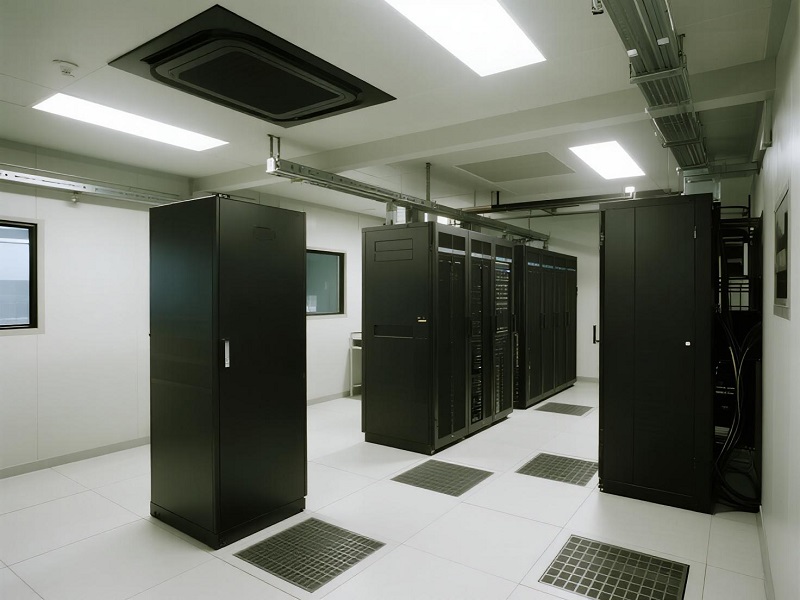
You can find raised access flooring in many new buildings. This system uses panels called access floor tiles. These tiles sit above the main floor. You can pick from many materials. Some choices are ceramic, porcelain, and stone. The table below shows how popular some types are:
Material Type | Market Share (%) | Characteristics |
|---|---|---|
Ceramic | 55.46 | Strong, easy to clean, good for allergies |
Vinyl | N/A | Keeps out water, strong |
Laminate | N/A | Cheap, looks like wood or stone |
ZiLi has advanced raised access flooring options. Their products are made to last and work well. Picking the right system helps you organize cables. It also helps air move better and makes spaces safer.
Key Takeaways
Raised access flooring makes a hidden space for cables and pipes. This keeps work areas neat and safe.
This flooring system lets you upgrade or fix things easily. You do not have to damage the main floor.
Access floor tiles help air move better and keep things cool. This is very important for data centers and equipment safety.
You can pick from different materials like ceramic, aluminum, and woodcore. This helps you find what fits your needs best.
Raised access flooring can change fast to fit new room layouts and designs.
These floors make rooms safer by hiding cables and lowering the chance of tripping.
Cleaning and checking for damage often helps access floor tiles last longer.
Using eco-friendly materials for raised access flooring helps the environment. It can also help meet green building rules.
Raised Access Flooring Overview
What Is Raised Access Flooring
Raised access flooringhelps you build flexible, modern spaces. Experts say it is a floor system built above the main concrete slab. This creates a hidden gap between the two floors. You can use this space for wires, pipes, and cooling. Many data centers use this design. It helps move air and keeps equipment cool.
System Structure
You build raised access flooring with a modular design. This means it uses many parts that fit together. The main parts are modular floor panels, pedestals, and stringers. The panels sit on pedestals. You can change the height of the pedestals. Stringers connect the pedestals and make the floor strong. This design lets you make the floor level, even if the base is not flat.
Here is a table that shows how raised access flooring and traditional flooring are different:
Feature | Raised Access Flooring | Traditional Flooring |
|---|---|---|
Installation | Fast and simple with modular parts, no special skills needed. | Needs more work and materials. |
Maintenance | Easy to reach under the floor for repairs and cables. | Repairs can be hard and messy. |
Adaptability | Pedestals can be changed to fix uneven floors. | Fixed floors cannot be changed easily. |
Airflow Management | Built-in vents help cool data centers. | Vents are fixed and less flexible. |
Lifecycle Costs | Panels can be swapped, saving money and time. | Replacing parts takes more work and cost. |
Key Components
You will find some main parts in a raised access flooring system:
Modular floor panels: These make the walking surface. You can take them out and put them back easily.
Pedestals: These hold up the panels and set the height.
Stringers: These bars connect pedestals and make the floor steady.
Finishes: You can pick from many finishes like ceramic, wood, or glass.
This system lets you get under the floor quickly. You can run wires, add new things, or fix problems without breaking the floor.
ZiLi’s Product Range
ZiLi has many types of raised access flooring. Each type is made for a different use or place. Here is a list of the main product types you can pick:
Product Category |
|---|
All-Steel Raised Floor |
Aluminum Access Floor |
Anti-Static Floor |
Calcium Sulphate Floor |
Ceramic Raised Floor |
Glass Raised Floor |
Woodcore Floor |
Let’s see what makes each type special.
All-Steel Floors
All-steel floors are very strong and steady. You can use them where heavy things need support. The steel panels do not bend and last a long time. These floors are good for data centers, control rooms, and offices.
Aluminum Floors
Aluminum floors are light but still strong. You can use them where you need to move panels a lot. They do not rust and are good for clean rooms and labs. The smooth surface is easy to clean.
Anti-Static Floors
Anti-static floors keep static electricity away from equipment. You need these floors where there are lots of computers or electronics. ZiLi’s anti-static floors protect your equipment well.
Calcium Sulphate Floors
Calcium sulphate floors use natural gypsum. They are good for the environment and strong. You can use them in offices, schools, and hospitals. These floors do not burn easily and resist water.
Ceramic Floors
Ceramic floors are hard and easy to clean. You can use them in places that need to look nice and stay clean, like lobbies. The ceramic finish does not scratch or stain easily.
Glass Floors
Glass floors make your space look modern. You can use them for special designs. The glass panels are strong and safe to walk on. They let light through and make rooms feel bright.
Woodcore Floors
Woodcore floors have a core made from wood and other things. They give a warm, natural look. You can use them in offices and meeting rooms. The panels are strong and simple to put in.
Tip: ZiLi’s raised access flooring is special because it gives great anti-static protection, airflow choices, and can hold heavy loads. You can pick the best type for your needs, like protecting equipment, moving air, or making a stylish space.
Benefits of Access Floor Tiles
Cable Management
It is important to keep wires neat in a building. Access floor tiles make a hidden space under the floor. This space is good for cable management. You can put power cords and network wires out of sight. This keeps your work area tidy and safe from trips.
With this system, handling cables is much easier. You do not need to break walls to add new wires. Just lift a tile and put the cable where you want. Upgrades and repairs are simple to do. You can move or add cables when you need to. Many offices and data centers use these tiles for this reason.
Here are some ways access floor tiles help with cable management:
You can keep cables straight or group them together.
You can label and separate cables to stay safe.
You can reach any cable fast for repairs.
You can stop wires from getting tangled and messy.
Tip: Good cable management keeps your equipment safe. It also helps you avoid problems and makes your space look nice.
Cooling & Airflow
Access floor tiles do more than hide wires. They also help you control air in your building. These tiles make a space under the floor for cool air to move. You can send air right where it is needed, like under computers. This keeps equipment cool and people comfortable.
Let’s see how access floor tiles help with cooling and airflow compared to regular floors:
Feature | Raised Access Floors | Traditional Flooring |
|---|---|---|
Targeted Air Delivery | Lets you put special tiles for cool air where needed. | Does not let you send air to certain spots. |
Supports Hot/Cold Aisle Containment | Makes it easy to set up hot and cold aisles for better cooling. | Hard to make good cooling aisles. |
Airflow Management | Makes a space under the floor for air and cables. | Solid floors block air and make cables hard to manage. |
Cooling Energy Consumption | Can use 20-40% less energy for cooling. | Uses more energy to keep things cool. |
You can save energy with access floor tiles. You use less power to cool the room. People and machines stay at a good temperature. In data centers, servers stay cool and work well. In offices, people feel better all day.
You can also use tiles with holes or vents. These tiles let cool air go where you want. You can move these tiles if you change the room. This gives you more control over air and comfort.
Design Flexibility
Access floor tiles let you change your room design easily. You can move desks, walls, or equipment without much work. Just lift the tiles and move cables or vents under them. This makes it easy to update your space as you need.
Here are some ways access floor tiles help with layout changes:
You can handle power and data cables easily. This is good for places that change layouts a lot.
You can change your space fast. In offices or casinos, you can move things without big jobs.
You can keep the same room size but make the building shorter. This lets you fit more floors in one building.
You can finish building faster. Workers can get to cables and systems quickly.
You can make rooms with higher ceilings. This makes spaces feel bigger and more open.
Note: Being able to change your layout saves time and money. You can use your space for new things without big changes.
Access floor tiles help you with cables, cooling, and room changes. You get a system that grows with you and keeps your building up to date.
Safety & Maintenance
Access floor tiles help make buildings safer. You can hide cables under the floor. This keeps walkways clear and lowers tripping risks. The tiles also protect equipment from dust and spills. They act like a shield for sensitive items.
You can reach wires and pipes fast. If something breaks, just lift a tile. You do not need to break walls or floors. Repairs are quick and not messy. You save time and money because you do not need special tools.
Cleaning access floor tiles is easy. Most finishes do not stain or scratch. You can clean them with a mop or cloth. You do not need strong chemicals. This helps keep the space healthy for everyone.
Here is a table that shows how access floor tiles help with safety and maintenance compared to regular floors:
Feature | Access Floor Tiles | Traditional Flooring |
|---|---|---|
Cable Safety | Cables hidden, fewer trip hazards | Cables exposed, more risks |
Equipment Protection | Shields from dust and spills | Equipment exposed |
Maintenance Access | Easy to lift tiles for repairs | Repairs need breaking floors |
Cleaning | Simple, quick, less chemicals | Harder, may need strong cleaners |
Tip: Access floor tiles help keep your workspace safe and clean. They also make fixing things simple and fast.
Acoustic & Aesthetic Value
Access floor tiles help control sound in buildings. You can use special tiles that absorb noise. This makes offices and classrooms quieter. It is easier to focus when there is less noise.
You can pick tiles that block sound between floors. For example, anti-static woodcore raised access floors help keep rooms quiet. You can make spaces peaceful for meetings or study.
Access floor tiles can lower noise, making workspaces quieter.
Anti-static woodcore raised access floors help stop noise between floors.
You can also make your space look better with access floor tiles. There are many finishes like ceramic, glass, or wood. You can match tiles to your style or brand colors. You can make lobbies look modern or offices feel warm.
You can change tiles if you want a new look. You do not need to replace the whole floor. You can update your space quickly and easily.
Note: Access floor tiles help you create quiet and nice-looking spaces. You can pick the style and sound level you want.
Eco-Friendly Solutions
Access floor tiles help you build greener spaces. You can pick tiles made from recycled or natural materials. For example, calcium sulphate floors use natural gypsum. Choosing eco-friendly tiles helps the planet.
You can meet green building standards with access floor tiles. Many tiles help you earn certifications like LEED, Green Squared, BREEAM, and WELL. These show your building is healthy and sustainable.
LEED Certification: Access flooring can help you get LEED by using good materials and saving energy.
Green Squared Certification: This checks tiles and materials for their good impact on the environment and people.
BREEAM: Access flooring can help you get this green building certification.
WELL: This focuses on indoor air and health, which access flooring can improve.
Green Squared Certification: This is the first standard for tiles that checks for positive environmental impact.
Access floor tiles help you save energy. You can control airflow and cooling, which lowers power use. You also make less waste because you can reuse or recycle tiles.
Here are ways access floor tiles support eco-friendly goals:
You use natural or recycled materials.
You lower energy use with better airflow.
You meet green building standards.
You reduce waste by reusing tiles.
Tip: Access floor tiles help the environment and save money. They show you care about a healthy and green future.
Access Floor System Applications
Offices & Commercial Spaces
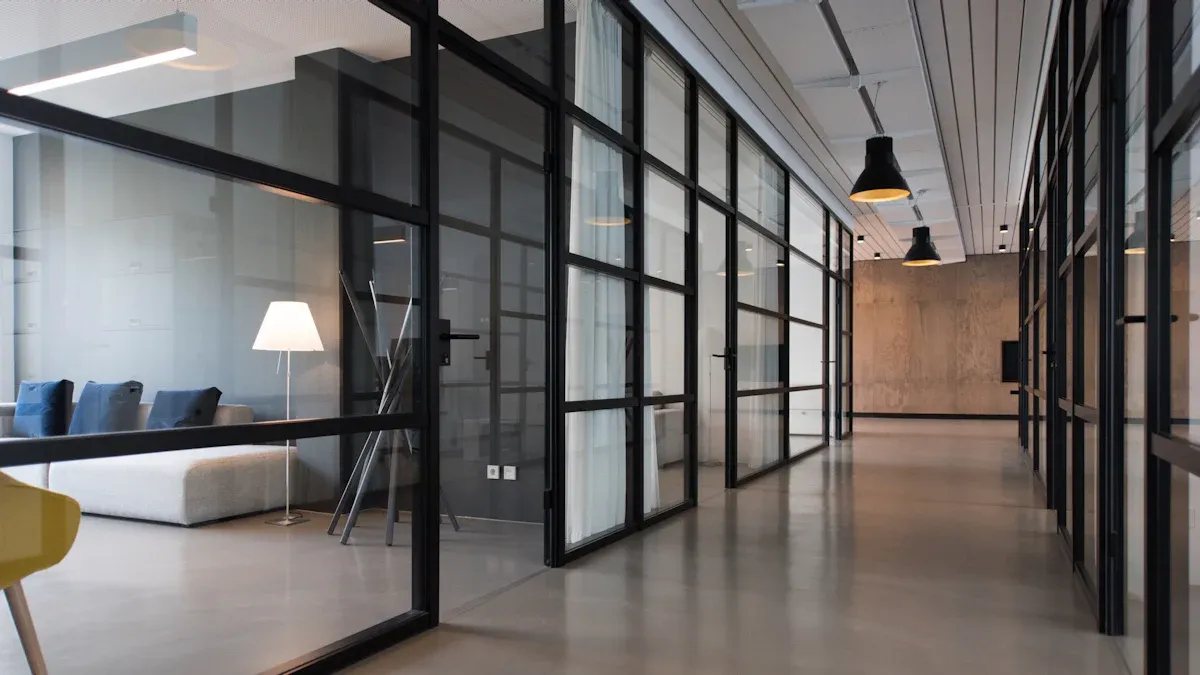
Raised access flooring is used in many offices. It helps keep work areas neat and flexible. Wires and cables can go under the floor. This makes offices safer and more organized. You can move desks and rooms easily. If your company gets bigger, you can change the space fast.
Here are some places that use access floor systems:
Office spaces
Libraries
Government buildings
Casinos
Public areas
Tall apartment buildings
Call centers
You can pick finishes that match your company’s look. Choices include ceramic, wood, or glass tiles. This helps make offices look modern. Cleaning and fixing things is easier too. If a cable breaks, just lift a tile. You do not need to break the floor.
Tip: Raised access flooring saves time and money when you change your office or call center.
Data Centers & Server Rooms
Data centers and server rooms need special floors. Equipment must stay cool and safe. Raised access flooring gives space under the floor for cables and air. Cool air can go right where it is needed. This stops servers from getting too hot.
Here is a table showing how raised access floors help:
Benefit | Description |
|---|---|
Optimized Airflow | Cool air moves under the floor and reaches all equipment. |
Improved Temperature Management | You control the temperature better and save energy. |
Maximized Floor Space | You use the space under the floor for wires and equipment. |
Safety Risk Reduction | Cables stay organized, so you lower the risk of accidents. |
Enhanced Cooling Efficiency | Perforated tiles let cool air rise, keeping servers at the right temperature. |
Energy Savings | You use less power for cooling, which lowers costs. |
Flexibility for Expansion | You can add more racks or change the layout without big changes. |
Reduced Operational Costs | Efficient cooling and easy upgrades save money over time. |
Many data centers and server rooms use raised access flooring. You get better airflow and safer spaces. Energy bills are lower. If you need more room, you can expand without stopping work.
Healthcare & Labs
Hospitals, clinics, and labs need clean floors. Raised access flooring helps keep these places free from dust and germs. The smooth surface is easy to clean. You can use tiles that fight bacteria and resist water.
Here is a table showing benefits in healthcare and labs:
Benefit | Description |
|---|---|
Hygiene | Smooth, sealed tiles stop dust and germs from building up. |
Airflow Management | Air moves under the floor, helping control infection and keep the air fresh. |
Durability | The floor can handle heavy equipment and lots of people walking. |
Flexibility | You can change the layout if you need more space or new equipment. |
Material Selection | You can pick tiles that fight bacteria and resist water for extra safety. |
Raised access flooring helps hospitals and labs stay clean and safe. You can change the space when you need to.
Education Facilities
Many schools and colleges use raised access flooring now. These floors help make classrooms easy to change. Teachers can move desks and equipment quickly. This makes it simple to try new ways of teaching. You can also use new technology in class.
Raised access flooring helps modern classrooms work better. Wires and pipes stay hidden under the floor. You can add smart boards, computers, and projectors easily. You do not need to break the floor for upgrades. Classrooms stay clean and safe for students.
Here is a table that shows how raised access flooring helps schools use technology:
Feature | Benefit |
|---|---|
Flexibility for reconfiguring | Lets you change classroom layouts easily |
Supports technology integration | Makes modern learning possible |
Ensures a clean environment | Keeps students safe and healthy |
Hidden pathway for components | Makes power and data easy to reach |
Easy updates to technology | Upgrades do not cause big problems |
Elevated platform | Gives space for wires and pipes |
Adaptability | Helps with future technology changes |
Tip: Raised access flooring helps schools keep up with new tools and teaching styles. Classrooms can change as students and teachers need.
Industrial & Control Rooms
Factories and control rooms need strong floors for heavy machines. Raised access flooring helps support big equipment. These floors hold a lot of weight and keep cables neat. Wires stay hidden so workers do not trip.
You pick the best floor for your control room. Steel cement raised floors are very strong. Aluminum raised floors hold hundreds of kilograms per square meter. Woodcore floors work for lighter things. Porcelain floors are good for fancy places. Aluminum grille floors are light and let air move.
Here is a table that shows how much weight each floor type can hold:
Type of Flooring | Load-Bearing Capacity |
|---|---|
Aluminum Raised Access Floor | Holds hundreds of kilograms per square meter |
Steel Cement Raised Floors | Very strong for heavy loads |
Woodcore Raised Floor | Good for lighter equipment |
Porcelain Access Floor | Strong and good for nice spaces |
Aluminum Grille Flooring | Light and lets air flow |
Raised access flooring keeps control rooms safe and working well. You can fix cables and pipes fast. You can change the room when you get new machines. You make sure everything meets safety rules.
Note: Raised access flooring helps you handle heavy equipment and keep control rooms tidy. You can pick the right floor for your job.
Retail & Public Areas
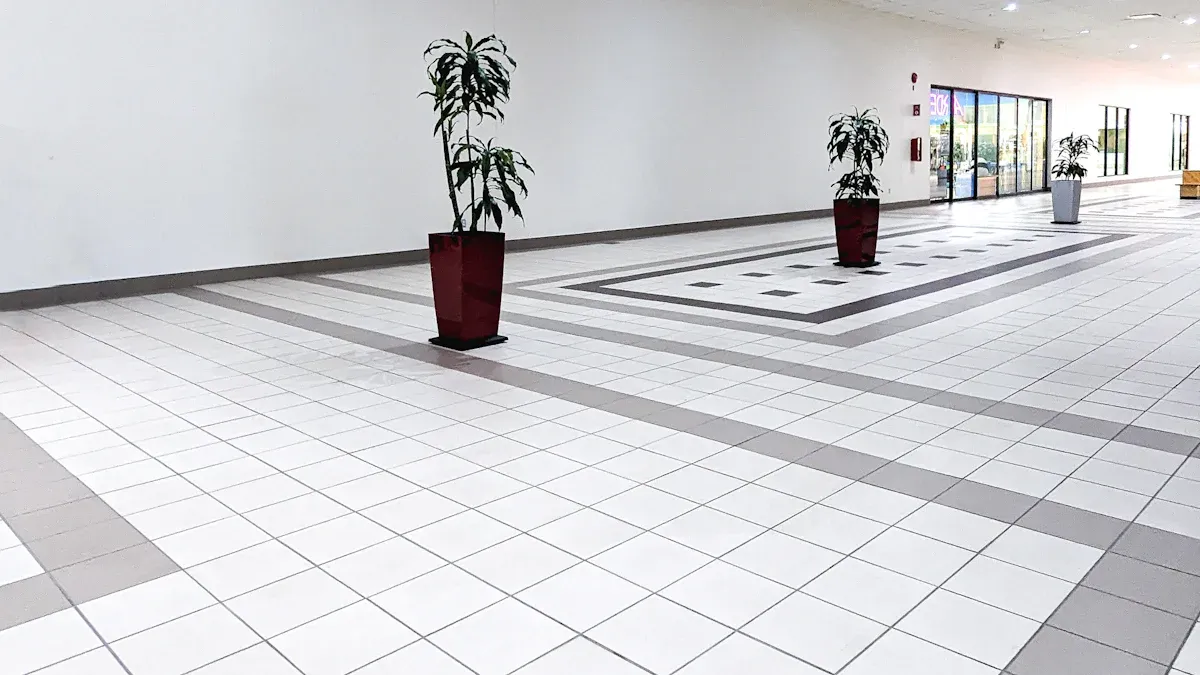
Stores and public places use raised access flooring to look better and work better. You can reach wires and air ducts easily. Fixing things is quick and does not cost much. You do not need to break the floor to make repairs.
You choose the right floor height for your space. Full-height floors (6-24 inches) are good for new buildings. They give lots of room for things under the floor. Low-profile floors (2.5-5 inches) fit old buildings or places with low ceilings. You can manage cables without big changes.
Think about these things when picking raised access flooring for stores and public areas:
Full-height floors are best for new buildings and give lots of space.
Low-profile floors work for old buildings and places with low ceilings.
The height depends on what goes under the floor, ceiling height, and cost.
Good design stops air problems.
Low-profile floors (1.5"-6" high) help with cables in stores.
Raised access flooring lets you put wires and air ducts in short paths. You use less material and save money. Air under the floor makes the space feel better and costs less to run. Customers and workers feel comfortable and happy.
Tip: Raised access flooring helps you make stores and public spaces modern and easy to fix. You can change and upgrade spaces without trouble.
Choosing Your Access Floor System
Material Options
You can pick from many access floor tile materials. Each one works best in different places. Choosing the right material helps your floor last longer and work better. Here is a table to compare some popular choices:
Material Type | Advantages |
|---|---|
Concrete-Filled Steel Panels | Heavy-duty, very strong, good for places with lots of heavy things like data centers and control rooms. |
Woodcore Panels | Lighter, absorbs sound well, good for offices or quiet rooms. |
Aluminum Panels | Great for clean rooms and places that need to stay free from dust. |
Fiberglass Reinforced Plastic | Light, strong, lasts long, does not rust, keeps out water and chemicals, and has good fire safety. |
Think about where you will put the floor. Steel panels are best for rooms with heavy machines. Woodcore panels help make offices quieter. Aluminum panels keep clean rooms safe from dust. Fiberglass panels do not get damaged by water or chemicals, so they are good for labs.
Tip: Always choose the material that fits your space. This helps your floor work well and last a long time.
Height & Load Capacity
How tall your access floor is and how much weight it holds are important. Height means the space under the tiles for wires, pipes, or air. Load capacity is how much weight the floor can hold without breaking.
Standard heights go from 2.5 inches to 24 inches. Short floors fit old buildings or rooms with low ceilings. Tall floors give more space for wires and air.
Load capacity changes with the material and design. Steel panels hold big servers and machines. Lighter panels work for offices or classrooms.
Check what will be on top of your floor. If you have heavy racks or machines, pick a floor that holds a lot of weight. For offices, lighter panels are fine.
Note: Always know how heavy your equipment is before you pick your access floor tiles. This keeps your space safe and strong.
Performance & Durability
You want your access floor tiles to last and work well every day. How well they work depends on a few things:
Load Capacity: The floor must hold all your equipment without bending.
Material Durability: Good materials do not wear out, get wet, or rust.
Installation Efficiency: Easy systems save you time and money.
Fire Safety Standards: Certified floors help keep your building safe.
Acoustic Performance: Some tiles help make noisy places quieter.
Cost Efficiency: Think about the total cost, including repairs.
Sustainability: Eco-friendly materials help the planet.
Vendor Support: Good support makes fixing and upgrading easier.
Picking a trusted company like ZiLi means you get strong materials and smart design. Your floor will handle lots of use, stay safe, and not break easily.
Tip: Pick a system that is strong, safe, and comfortable. This helps your building work well and saves money over time.
Installation & Maintenance
You want your access floor tiles to last a long time. Good installation and regular care help your system work well. First, check your building carefully. Make sure the base floor is strong enough. Look for slopes where water might collect. Fix any uneven spots before starting.
Install access floor tiles over old floors to save money. Use strong supports to spread out the weight. This stops panels from bending or breaking. Make sure each pedestal is steady. Stable pedestals help keep things safe.
After you finish, set up a cleaning plan. Vacuum or mop the tiles often to keep them clean. Check for cracks or bent panels. Replace broken tiles right away. Look under the floor to check cable management. Neat cables help keep your space safe.
Keep the air inside at a good humidity level. Too much moisture can damage some materials. Seal the floor well to keep water out. Use anti-static tiles in rooms with lots of electronics. These tiles help stop static electricity.
Here is a table that shows best ways to install and care for your floor:
Best Practice | Description |
|---|---|
Preliminary Assessment | Check base floor strength and slope for water runoff. |
Load Distribution | Place support points to handle expected loads. |
Installation Techniques | Install over old floors to lower costs and avoid big changes. |
Scheduled Maintenance | Replace damaged panels and keep mechanical parts working well. |
Cleaning Routine | Vacuum or mop often to stop dirt from building up. |
Tip: Clean and check your access floor tiles often. Fix problems quickly to keep your space safe and looking nice.
Provider Experience
Picking the right company for your access floor tiles is important. You want a provider with lots of experience and good certifications. ZiLi has been in business for over 28 years. You get expert help and products you can trust.
Look for companies with quality and safety certifications. ZiLi has ISO9001 for quality and ISO45001 for health and safety. These show you get safe and high-quality access floor tiles.
Here is a table of important certifications:
Certification Type | Standard |
|---|---|
Quality Management System | ISO9001:2015 |
Occupational Health and Safety | ISO45001:2018 |
ZiLi offers OEM services for special needs. You get help with design, installation, and support. The team answers questions and solves problems fast. Automated production lines make sure you get your order on time.
Note: Choose a provider with lots of experience and the right certifications. This helps you get access floor tiles that last and work well for years.
ZiLi Advantages
Quality & Certifications
You want access floor tiles that last a long time. ZiLi makes sure every product is high quality. The floors do not scratch easily and look good for years. The anti-slip surface helps stop slips and falls, so you feel safe in busy places.
ZiLi uses new technology to make their tiles. They check quality at every step. Each tile meets rules used around the world. ZiLi has the ISO9001 certification, so you know the products are trusted everywhere.
Here is a quick look at ZiLi’s quality features:
Feature | Description |
|---|---|
Abrasion Resistance | Tiles stay strong and nice-looking for a long time. |
Anti-Slip Properties | Floors help keep people safe in all places. |
Quality Control | Careful checks and modern machines at every step. |
ISO9001 international quality system certification
Product quality approval
Tip: When you pick ZiLi, you get access floor tiles that meet world standards and help keep your space safe.
Eco-Friendly Practices
ZiLi cares about helping the environment. You can choose access floor tiles made with recycled things. This cuts down on waste and uses old items in new ways. ZiLi uses special soy-based foam from Canada in their cushions, and it does not hurt the ozone layer.
You can also pick green fabrics for your project. These choices help make your space healthier for everyone. When you use ZiLi’s access floor tiles, you help the planet by using eco-friendly building ways.
Recycled materials for pillow inserts
Soy-based foam cushions with no ozone-harming CFCs
Many eco-friendly fabric choices
Note: Eco-friendly access floor tiles help you care for the earth while making modern spaces.
Manufacturing & Delivery
ZiLi uses machines to make tiles in a fast and steady way. You get the same good quality every time and do not have to wait long. The company keeps lots of tiles ready, so you usually get your order quickly.
Delivery is fast and you can count on it. For OA600 panels, ZiLi ships much faster than most companies. If you order Good Sealing Wood Core Antistatic Raised Access Flooring or All-Steel Airflow Perforated Access Floor, you get them in 30 days after you pay.
Product Type | Delivery Time |
|---|---|
OA600 Panels | Sent out very quickly |
Good Sealing Wood Core Antistatic Flooring | 30 days after payment |
All-Steel Airflow Perforated Access Floor | 30 days after payment |
Tip: Fast shipping and machine-made tiles mean you get your access floor tiles on time and always with good quality.
Service & Support
You want a partner who helps you at every stage of your project. ZiLi gives you strong service and support, making your experience smooth and worry-free. You do not have to handle everything alone. The ZiLi team stands by your side from the first idea to the final installation.
You start with planning. ZiLi listens to your needs and helps you choose the right access floor tiles for your space. You get advice on materials, finishes, and panel sizes. If you have a special request, ZiLi can create a custom design just for you. You can match your company’s style or meet unique technical needs. This means you do not have to settle for standard options.
During installation, you get help from experts. The team answers your questions and solves problems quickly. You do not need to worry about mistakes or delays. ZiLi’s support makes sure your project stays on track and meets your goals.
If you work outside of China, ZiLi offers solutions for you too. You can order OEM and custom products that fit your country’s standards. The company ships worldwide and helps you with every detail. You get the same high level of service, no matter where you are.
Here are some ways ZiLi supports you:
You get help from planning to installation.
You can ask for custom designs, finishes, and panel sizes.
You receive OEM and custom solutions for international projects.
You have a team ready to answer questions and solve problems.
You get fast responses and clear communication.
Tip: Good service means you save time and avoid stress. You can focus on your work while ZiLi handles the details.
ZiLi believes that strong support builds trust. You get more than just access floor tiles. You gain a partner who cares about your project’s success. If you need advice, help with design, or support after installation, ZiLi is ready to assist you.
You can see the difference when you choose a company that values service. Your project runs smoothly, and you get results that last. With ZiLi, you always have someone to guide you and answer your questions.
Data Table: Access Floor Tiles Comparison
When you pick access floor tiles, you want to know how each type works. You also want to see which tiles fit your budget and space. The table below helps you compare popular materials. You can see how they are different in strength, cost, and where you can use them.
Material | Strength & Durability | Cost Range | Best Use Cases |
|---|---|---|---|
Concrete | Very strong, handles heavy loads, resists fire and noise. | $ | Warehouses, factories, busy corridors |
Steel | Strong, fire-resistant, secure. Needs care to avoid rust. | $$ | Data centers, control rooms, secure areas |
Aluminum | Lightweight, resists corrosion, easy to install. Can dent or scratch. | $ | Clean rooms, labs, offices |
Glass Reinforced Plastic | Extremely strong, resists chemicals, lightweight, flexible for design. | $$ | Labs, tech spaces, modern offices |
Ceramic | Durable, resists impact, easy to clean. | $ | Lobbies, offices, public spaces |
Porcelain | Dense, ultra-low porosity, resists cracks and fading. | $$ | High-traffic areas, machine rooms |
Woodcore | Absorbs sound, gives a warm look, lighter than concrete or steel. | $ | Offices, meeting rooms |
Material Properties
You want access floor tiles that last and stay strong. Concrete tiles are very tough and do not burn. Steel tiles are good for safe places and heavy machines. Aluminum tiles are light and simple to move, but can get dents. Glass reinforced plastic tiles do not get damaged by chemicals and let you pick cool designs. Ceramic tiles are strong and easy to clean. Porcelain tiles do not crack or fade, even when lots of people walk on them. Woodcore tiles help rooms stay quiet and look nice.
Tip: Pick access floor tiles that fit your space’s needs. Strong tiles are best for busy or heavy-use places.
Cost & Value
You want to get good value for your money. Concrete and aluminum tiles cost less than steel or porcelain. Steel and glass reinforced plastic tiles cost more, but last longer and have special features. Ceramic tiles give you a good mix of price and strength. Woodcore tiles are cheap and work well in offices.
Concrete and aluminum: Good for small budgets.
Steel and porcelain: Worth the cost for strong floors.
Ceramic: Not expensive and tough.
Woodcore: Best for quiet, comfy rooms.
Note: Spending more on strong access floor tiles can save you money later. You will not need to fix or replace them as much.
Application Suitability
You need access floor tiles that fit your building. Concrete and steel tiles are best for places with big machines or lots of people. Aluminum and glass reinforced plastic tiles work well in labs and clean rooms. Ceramic and porcelain tiles look nice in public spaces and handle lots of walking. Woodcore tiles make offices and meeting rooms feel warm and quiet.
Warehouses and factories: Use concrete or steel.
Data centers and control rooms: Use steel or porcelain.
Labs and clean rooms: Use aluminum or glass reinforced plastic.
Offices and meeting rooms: Use woodcore or ceramic.
Lobbies and public areas: Use ceramic or porcelain.
Tip: Match your access floor tiles to your space for the best results. You get safety, comfort, and style.
Maintenance & Longevity
Routine Care
You can keep your raised access flooring in top shape with simple routine care. Start by cleaning the surface often. Use a soft broom or vacuum to remove dust and dirt. For spills, wipe them up right away with a damp cloth. Avoid using harsh chemicals, as these can damage the finish on your access floor tiles.
Check the tiles and supports every few months. Look for loose panels or wobbly pedestals. Tighten or adjust them if needed. If you see any scratches or dents, replace the damaged tile. This helps your floor stay safe and look good.
Tip: Set a regular cleaning schedule. This keeps your floor looking new and helps prevent bigger problems.
Lifespan
Access floor tiles last a long time when you care for them. Most systems can serve you well for 20 years or more. The actual lifespan depends on the material you choose and how much traffic the area gets. For example, steel and ceramic tiles often last longer than woodcore tiles in busy spaces.
You can extend the life of your floor by following these steps:
Clean the tiles regularly.
Fix small issues before they become big problems.
Avoid dragging heavy furniture across the floor.
Keep the area dry to stop moisture damage.
A well-maintained floor also supports improved air quality. Clean tiles and hidden cables mean less dust and fewer allergens in your space.
Upgrades & Replacement
You may want to upgrade or replace your access floor tiles as your needs change. Raised access flooring makes this process easy. You can lift and swap out individual tiles without removing the whole floor. This saves you time and money.
If you need to add new cables or change the layout, just remove the tiles above the area you want to update. After you finish, put the tiles back in place. You can also upgrade to tiles with better finishes or extra features, like anti-static or acoustic panels.
Here is a simple table to help you decide when to upgrade or replace tiles:
Situation | Action Needed |
|---|---|
Tile is cracked or dented | Replace the tile |
New equipment installed | Upgrade tile type |
Layout changes | Move and reinstall |
Finish looks worn | Upgrade finish |
Note: Upgrading your access floor tiles helps your space stay modern and safe. You can keep up with new technology and design trends easily.
Access floor tiles help you keep cables neat. They also help air move better in rooms. You can change your space easily with these tiles. Raised access flooring is good for offices, data centers, and schools. ZiLi gives you strong floors and good help.
Pick ZiLi for strong and earth-friendly floors.
Contact ZiLi for free advice and start your project with confidence.
Tip: Picking smart floors helps you make spaces safer, cleaner, and modern.
FAQ
What are access floor tiles?
Access floor tiles are panels that sit above your building’s main floor. You can lift them to reach cables, pipes, or air ducts underneath. These tiles help you organize your space and keep everything hidden.
How do I choose the right access floor tiles for my project?
You should think about your building’s needs. Check how much weight the tiles must hold. Pick a material that fits your space, like steel for heavy equipment or woodcore for quiet offices.
Can I install access floor tiles in older buildings?
Yes, you can use access floor tiles in older buildings. Low-profile systems fit spaces with low ceilings. You do not need to remove the old floor. You can upgrade your space quickly.
How do I maintain access floor tiles?
Clean the tiles with a broom or mop. Check for loose panels and tighten them. Replace damaged tiles right away. You should look under the floor every few months to keep cables neat.
Are access floor tiles safe for places with lots of electronics?
Yes, access floor tiles are safe for rooms with computers and electronics. You can choose anti-static tiles to protect your equipment from static electricity. These tiles help keep your workspace safe.
Where can I use raised access flooring?
You can use raised access flooring in offices, data centers, schools, hospitals, and emergency dispatch hubs. These systems work well in places that need good cable management and airflow.
How long do access floor tiles last?
Access floor tiles can last over 20 years if you care for them. Clean them often and fix problems quickly. Strong materials like steel and ceramic last longer in busy areas.
Can I change the layout after installing access floor tiles?
Yes, you can change your room’s layout easily. Lift the tiles to move cables or add new equipment. You do not need to break the floor. This makes upgrades and repairs simple.