






Anti Static Floor Selection Guide: HPL vs. PVC vs. Ceramic Finishes
 Mar 09, 2026|
 View:191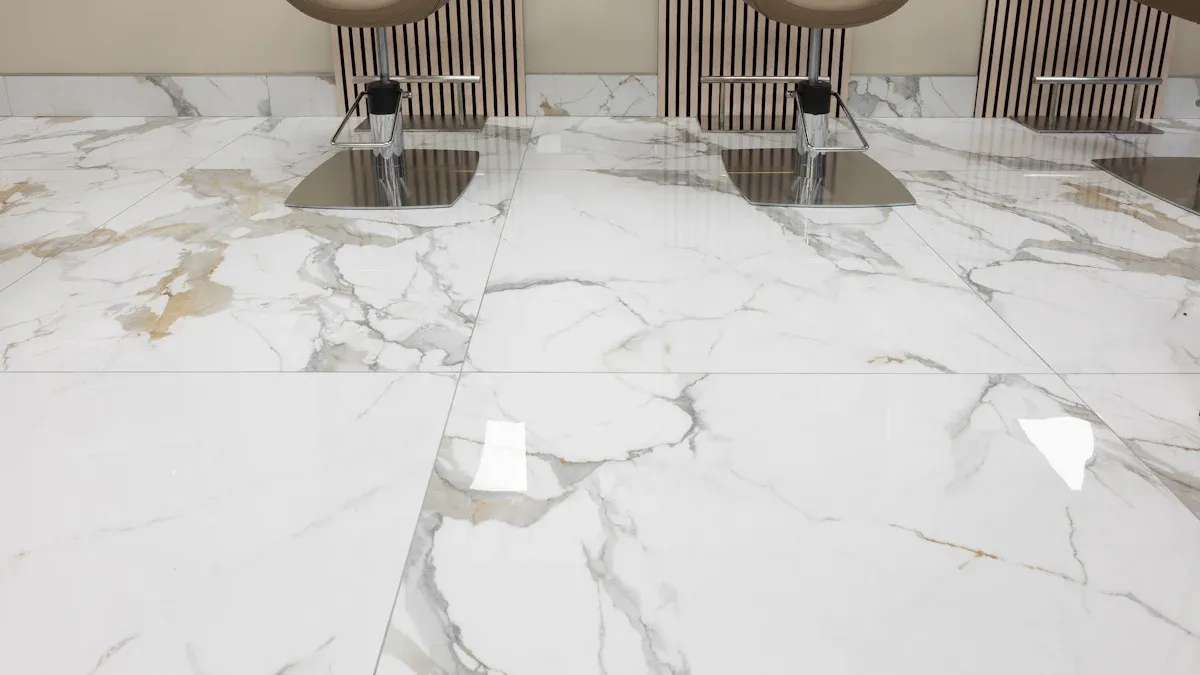
You have to pick from HPL, PVC, or Ceramic finishes for your Anti Static Floor. Each finish gives special advantages for ESD protection. ZILI’s Anti-Static Calcium Sulfate Raised Floor helps control static risks in server rooms and cleanrooms. You should consider your facility’s environment, budget, and how much care the floor needs before you decide. ZILI has more than 28 years of experience and offers dependable anti-static flooring solutions.
Key Takeaways
Anti-static flooring is important in places with sensitive electronics. It stops static from building up and keeps equipment safe.
Pick the right finish for your facility’s needs. HPL is strong and good for busy spaces. PVC is simple to clean. Ceramic is tough and lasts a long time.
Regular care is needed to keep anti-static floors working well. Sweep every day and clean every week with approved products.
HPL finishes look nice and are strong. They work well in offices and data centers.
PVC finishes cost less and are good for labs and cleanrooms. They give steady conductivity and are easy to take care of.
Ceramic finishes are best for places with lots of people. They have permanent anti-static features and resist wear very well.
Think about your budget when picking a finish. HPL and PVC usually cost less. Ceramic costs more at first but lasts longer.
Talk to experts like ZILI to check your facility’s needs. They can help you pick the best anti-static flooring for safety and performance.
Anti Static Floor Overview
What Is Anti-Static Flooring
Anti-static flooring is needed where static electricity can be dangerous. This flooring stops static from building up. It protects equipment that is sensitive. You can find anti-static floors in server rooms and cleanrooms. Data centers also use them. These floors help keep your facility safe. They stop expensive damage from happening. ZILI’s Anti-Static Calcium Sulfate Raised Floor uses a strong core made of calcium sulfate. It also has a steel sheet. The finish controls static and keeps the area clean.
Tip: Anti-static flooring is important in places with computers or electronics. It is also needed where flammable materials are present. It lowers the chance of sparks. This makes your workplace safer.
Importance Of Finish Selection
Picking the right finish for your anti-static floor is important. Each finish has its own benefits. You need a finish that fits your needs and budget. Some finishes are better for busy areas. Others are easier to clean or look nicer. The finish affects how well the floor controls static. It also affects how long the floor lasts.
PVC finish gives strong anti-static protection. It works well in labs and factories. You must maintain it often to keep it good.
HPL finish has great anti-static features and resists wear. It is good for computer rooms and places with lots of people.
Ceramic finish is very hard and resists wear. It is best for places with heavy machines. You should get professional help to maintain ceramic finishes.
ZILI’s Product Features
ZILI’s Anti-Static Calcium Sulfate Raised Floor is special in the industry. It protects your equipment and keeps your facility safe. The floor has a strong calcium sulfate core attached to steel. You can pick HPL, PVC, or ceramic finishes. Each panel has a PVC strip on the edge. This stops bubbling and keeps the floor smooth.
Here is a table that shows the main functions and benefits of anti-static flooring:
Function/Benefit | Description |
|---|---|
Protection of Equipment | Anti-static flooring keeps electronic parts safe from static damage. |
Safety Enhancement | It lowers the risk of sparks that can cause fires or explosions. |
Regulatory Compliance | Anti-static flooring helps you follow safety rules and avoid fines. |
Cost-effectiveness | You save money by reducing damage and making your facility safer. |
ZILI’s anti-static flooring helps you control ESD risks. It keeps your facility working well. You get a solution that fits your needs and supports your work.
HPL Finish
Anti-Static Performance
You need strong anti-static floors for places with electronics. The hpl finish on ZILI’s anti-static calcium sulfate raised floor gives steady protection from static. This finish helps stop electrostatic discharge and keeps your equipment safe. You can count on hpl to give good anti-static performance in server rooms, offices, and data centers. The surface stops static from building up, so computers and devices are less likely to get damaged. You feel calm knowing your facility is protected.
Tip: Pick hpl finish if you want steady anti-static floors and a clean space.
Durability & Resistance
The hpl finish is known for being tough and lasting long. You see this finish in busy places like hospitals and malls. It does not scratch, stain, chip, or fade easily. It also resists impacts and moisture. The hpl finish keeps looking good and stays strong over time. You do not need to fix or replace it often.
Here is a table showing the durability features of hpl finish:
Feature | Description |
|---|---|
Durability Ratings | Laminates have AC Ratings (AC1 to AC5); AC4 or AC5 is recommended for commercial use. |
Scratch & Impact Resistance | Surfaces reinforced with aluminum oxide or high-pressure treatments enhance durability. |
Moisture & Stain Resistance | Essential for environments like restrooms and cafes, ensuring longevity. |
You get a floor that can handle lots of movement and use. The hpl finish keeps its anti-static power even when things get busy. Your facility stays safe and looks nice.
Hpl sheets are made for places with lots of people.
They do not scratch, stain, chip, or fade easily.
They keep their look and strength for a long time, good for busy areas.
Aesthetic Options
You want your facility to look nice and feel welcoming. The hpl finish gives you many choices for how it looks. You can pick matte, gloss, or textured surfaces. Textured hpl finish helps stop slips in busy areas. You can choose colors like gray, beige, or black for a professional look. Custom patterns and designs are also possible.
Here is a table showing the aesthetic features of hpl finish:
Aesthetic Feature | Description |
|---|---|
Finishes | Matte, gloss, and textured; textured surfaces enhance slip resistance in high-traffic zones. |
Color Variety | Neutral tones (gray, beige, black) for professional settings; custom patterns and branded designs available. |
Design Tip | Pair matte finishes with indirect lighting to reduce glare in screen-intensive environments. |
You can match the hpl finish to your facility’s style. You make a space that is safe and looks good. Your workplace becomes safer and more attractive.
Maintenance Needs
You want your anti-static floor to last and keep working well. The hpl finish makes this easy. You do not need special tools or harsh chemicals. You can keep your floor in top shape with simple steps.
Use a dry dust mop or a microfiber sweeper every day. This removes dirt and small particles that can scratch the surface.
Clean the floor with approved anti-static cleaners. This keeps the floor’s conductivity strong and removes grime.
Check the floor often for scratches, spills, or sticky spots. These can block the anti-static effect if left alone.
You should avoid wax or polish. Wax can build up and stop the anti-static floor from working. Do not use harsh chemicals like ammonia or bleach. These can damage the hpl finish and lower its anti-static power. Oily cleaners can leave a film that attracts more dirt and makes the floor less effective.
Tip: Always use cleaners made for anti-static floors. This keeps your hpl finish safe and your anti-static protection strong.
Cost Factors
The hpl finish gives you a good balance between price and performance. You get strong anti-static features and a long-lasting surface without paying too much. The cost depends on the size of your space and the design you choose. You also save money over time because the hpl finish does not need much repair or replacement.
You pay less for cleaning and upkeep because the hpl finish is easy to care for.
The anti-static floor helps protect your equipment. This lowers the risk of costly repairs from static damage.
You get value for your money because the hpl finish lasts a long time.
Applications
The hpl anti-static floor works well in many places. You see it in high-tech spaces and busy offices. Here is a table that shows where you can use hpl anti-static flooring and what benefits you get:
Application Area | Key Benefits |
|---|---|
Electronics Manufacturing | Protects sensitive components from static, keeps electrical resistance, and resists wear. |
Data Centers and Server Rooms | Stops static buildup, works with grounding systems, and stands up to impacts. |
Laboratories | Reduces static errors, supports cleaning, and keeps particles away. |
Clean Rooms | Meets strict standards, prevents dust, and fits high clean room needs. |
Automotive Industry Facilities | Protects electronics, handles heavy loads, and keeps workers safe. |
Military and Aerospace | Meets tough rules, works in hard conditions, and lasts a long time. |
Server Rooms
You need strong anti-static floors in server rooms. The hpl finish gives you steady protection. It keeps your servers safe from static and makes cleaning easy. You can trust the hpl anti-static floor to last in these busy spaces.
Data Centers
Data centers have lots of equipment that needs anti-static protection. The hpl finish helps stop static and works with grounding systems. You get a floor that resists wear and keeps your data center safe.
Offices
Offices use many electronic devices. The hpl anti-static floor keeps your computers and devices safe. It also looks good and is easy to clean. You get a safe and smart workspace with hpl anti-static flooring.
PVC Finish
Anti-Static Performance
You need anti-static floors where electronics are used. The pvc finish keeps its anti-static power for a long time. It helps protect your facility from static discharge. The pvc finish is used in labs and cleanrooms. It also works well in industrial areas. It keeps electrical conductivity steady. The surface makes little dust, so your workspace stays clean.
Here is a table comparing anti-static properties among different finishes:
Material Type | Anti-Static Properties | Additional Characteristics |
|---|---|---|
HPL | Commonly used; simple maintenance; wear-resistant; high temperature resistant | Fireproof, dustproof, shockproof, not easy to scratch, bright and smooth finish |
PVC | Long-lasting anti-static properties; stable electrical conductivity | Wear-resistant, aging resistant, low dust generation, decorative marble-like appearance |
Conductive Ceramic | Overcomes aging and wear resistance issues; durable | Good fire resistance compared to polymer materials like PVC and melamine |
The pvc finish gives steady anti-static protection. This helps stop equipment failures. Your facility keeps working well.
Tip: Pick pvc finish for steady anti-static floors and a clean space.
Resistance To Cracking
You want your floor to handle heavy loads and movement. The pvc finish resists cracking and damage. It spreads weight evenly across the surface. Machines and carts can move without hurting the floor.
Here is a table showing resistance requirements for pvc anti-static flooring:
Load Type | Requirement |
|---|---|
Concentrated Load | ≥ 3000N |
Uniformly Distributed Load | ≥ 7500N/m² |
Surface Wear Coefficient | ≥ 0.5 |
Impact Resistance | Qualified |
The pvc finish does not age or wear out fast. You see fewer cracks and chips. This means less fixing and longer floor life. The pvc finish is a smart choice for busy places.
The pvc finish handles heavy machines and lots of people.
It resists cracking and surface wear.
Your floor stays smooth and safe for many years.
Design Choices
You want your facility to look nice and modern. The pvc finish gives you many design choices. You can pick modular planks or carpet tiles. These options help make your space feel like a spa or look professional. You find colors like warm gray, taupe, brown, and beige.
Here is a table showing design choices for pvc anti-static flooring:
Design Choice | Description |
|---|---|
Styles | Modular planks and carpet tiles create unique environments. |
Colors | Warm gray, taupe, brown, and beige offer an upscale retail look. |
Versatility | Collections with up to 72 colors allow wayfinding and space definition. |
Performance | Realistic wood looks provide safety and quietness in busy areas. |
You can match the pvc finish to your facility’s style. You use color and pattern to guide movement and define spaces. The pvc finish gives anti-static protection and looks good. Your workplace becomes safer and more attractive.
Note: Use color collections to help visitors find their way and make the space comfortable.
Maintenance
You want your anti-static floor to stay strong and safe. The PVC finish makes cleaning easy. You can follow simple steps to keep the floor clean and working well. Here is a guide for taking care of your PVC anti-static floor:
Use a dry mop or vacuum every day. This removes dirt and dust. It helps stop scratches and keeps the floor’s resistance high.
Mop the floor once a week with a neutral cleaner. This gets rid of grime and keeps the anti-static power working.
Check the floor each month. Look for worn spots, lifted edges, or damaged seams. Test the electrical resistance if needed.
Deep clean the floor once a year. Put on a protective polish to make it shiny and help stop stains and scratches.
Clean spills right away with a damp cloth. This stops stains and keeps the anti-static surface strong.
Tip: Always use cleaners made for anti-static floors. This keeps the resistance steady and protects your equipment.
You do not need harsh chemicals or special tools. The PVC finish resists aging and damage. You save time and money because maintenance is easy.
Cost
You want to know how much PVC anti-static flooring costs. The price depends on your space size and the design you pick. PVC finish gives strong resistance to wear and static at a fair price. You also save money because the floor lasts long and needs little repair.
You pay less for cleaning because the PVC finish stops stains and scratches.
The anti-static floor protects your equipment. This lowers the risk of expensive repairs from static discharge.
You get value for your money because the PVC finish keeps its resistance and anti-static power for many years.
Note: Buying PVC anti-static flooring helps you avoid costly downtime and keeps your facility safe.
Applications
PVC anti-static flooring works well in many places. You see it in labs, cleanrooms, and industrial areas. The floor gives strong resistance to wear and keeps static under control.
Application Area | Description |
|---|---|
Electronics Manufacturing | Protects sensitive equipment from static discharge. |
Data Centers | Stops static discharge to keep IT systems working. |
Healthcare Facilities | Keeps the area safe and stops equipment problems. |
Specialized Manufacturing Units | Custom solutions for special needs. |
Research Laboratories | Keeps static low for accurate test results. |
Labs
Labs need anti-static floors. PVC finish gives steady resistance to chemicals and static. The floor keeps your workspace clean and safe. You can trust the PVC anti-static floor to protect tests and equipment.
Cleanrooms
Cleanrooms need strict control of static and dust. PVC anti-static flooring stops dust and keeps static low. The surface stays smooth and is easy to clean. You get a safe place for high-tech work.
Industrial Areas
Industrial areas have heavy machines and lots of movement. PVC anti-static flooring gives strong resistance to impacts and wear. The floor protects your equipment and keeps workers safe. You can count on the PVC finish for long-lasting performance.
Ceramic Finish
Anti-Static Performance
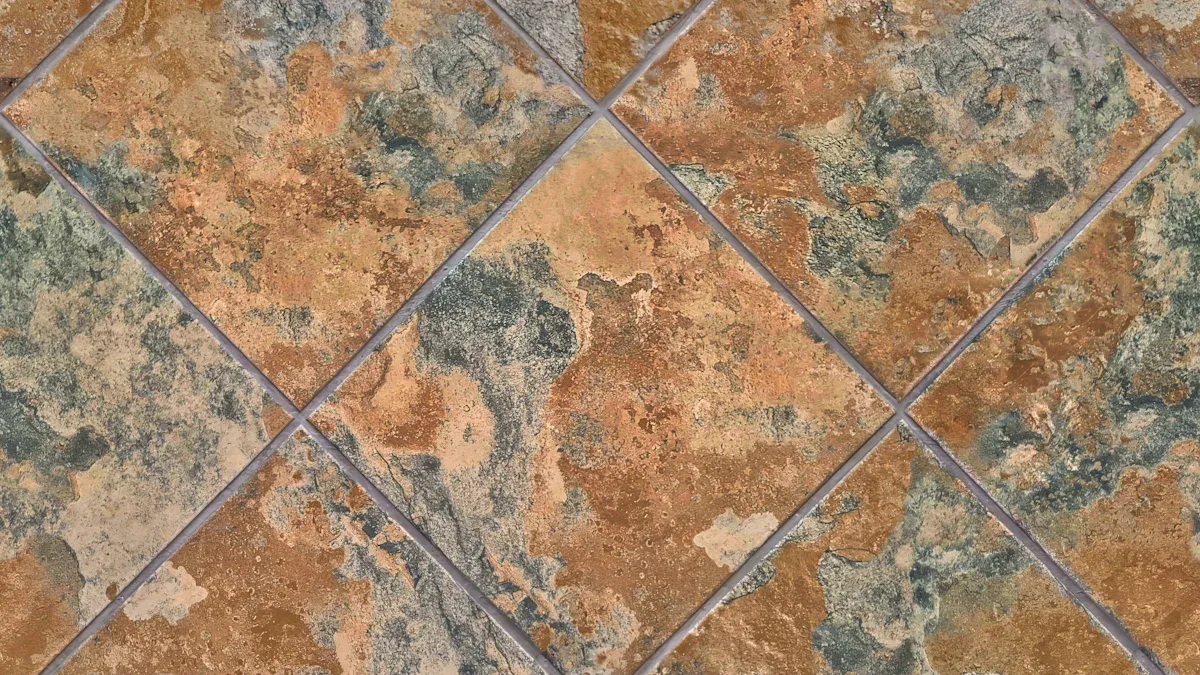
You need good anti-static floors for places with sensitive equipment. The ceramic finish gives permanent anti-static power. This means the floor always keeps its resistance steady. It helps stop static shocks that can hurt your equipment. You can trust ceramic flooring to keep your space safe from static. The resistance value for ceramic anti-static floors is between 1.0 x 10^6 and 1.0 x 10^9 Ω. This steady resistance makes putting in the floor easier. You do not need to put copper strips under the floor. This saves you time and work when you set it up.
Ceramic anti-static flooring keeps the same resistance value.
You do not need extra things to install it.
The floor helps protect your equipment from static shocks.
Tip: Pick ceramic finish if you want anti-static floors that last and are easy to install.
Weight & Resistance
Ceramic flooring is strong and lasts a long time. The floor can hold heavy things and lots of movement. The surface does not scratch or break easily. You will not see cracks or chips often. The ceramic finish keeps working well for many years. You can use it in places with machines, carts, or many people.
The resistance value stays the same for a long time.
You do not have to worry about the floor losing its anti-static power.
Ceramic flooring holds up heavy equipment and busy spaces.
Ceramic anti-static flooring meets tough safety rules. The floor does not need extra grounding parts. You get a floor that is strong and you can count on.
Visual Appeal
Ceramic flooring gives you lots of choices for how it looks. You can pick from pretty designs, fancy decorations, and tough finishes. The surface looks nice and professional. You can match the floor to your building’s style. Ceramic finish gives you anti-static power that lasts, fire safety, and slip resistance. You get a floor that looks good and works well.
Here is a table comparing how different floors look:
Flooring Type | Visual Appeal Options | Unique Characteristics |
|---|---|---|
Ceramic Anti-Static | Looks nice, lasts long, has fancy designs | Always anti-static, fire safe, slip resistant, and more |
HPL | Bright colors, smooth surface | Many designs but not as tough as ceramic |
PVC | Many patterns that look like marble | Flexible and water safe, but may not look as nice as ceramic |
You can use ceramic flooring to make your space safe and stylish. The finish stays pretty and strong for a long time. You get both good looks and safety in one floor.
Note: Ceramic finish gives you beauty that lasts and strong anti-static protection.
Maintenance
You need to keep your ceramic anti-static floor clean. Regular care helps the floor last longer. It also keeps your facility safe. Ceramic flooring can handle heavy use. But you must follow a routine to protect its anti-static properties.
You should get professionals to clean your ceramic floor. They use special tools and cleaners. These remove dirt and keep the surface smooth. This cleaning stops dust from blocking the anti-static effect. You also need to check the floor for chips or cracks. If you see damage, call a technician to fix it fast.
Ceramic anti-static flooring needs more care than other finishes. You must clean the surface often, especially in busy areas. Sweep every day to remove loose dirt. Mop once a week with a neutral cleaner. This keeps the floor shiny and keeps its conductivity strong. Do not use harsh chemicals because they can hurt the ceramic finish.
Here is a table that shows the main maintenance aspects for ceramic anti-static flooring:
Aspect | Details |
|---|---|
Maintenance Cost | High maintenance cost; regular professional cleaning is required. |
Service Life | Can last more than 15 years under normal use conditions. |
Application Scope | Ideal for high-end computer rooms, laboratories, and similar environments. |
You must plan for downtime when cleaning your ceramic floor. Maintenance can disrupt work, especially in cleanrooms or busy computer rooms. You should work with your facility manager to schedule cleaning during off-hours. This helps you avoid interruptions and keeps your equipment safe.
Ceramic flooring lasts a long time if you care for it well. You get a floor that stays strong and keeps its anti-static power for years. You also protect your investment by reducing the need for repairs or replacements.
Consider these tips for maintaining your ceramic anti-static floor:
Sweep every day to remove dust and debris.
Mop once a week with a neutral cleaner.
Schedule professional cleaning every few months.
Check for chips or cracks and fix them quickly.
Do not use harsh chemicals or rough tools.
Tip: Always use certified cleaners for ceramic anti-static floors. This keeps the surface safe and keeps its anti-static properties strong.
Ceramic flooring gives you a reliable solution for busy places and sensitive environments. You keep your facility clean, safe, and ready for modern technology.
Comparing Finishes
Anti-Static Floor Performance
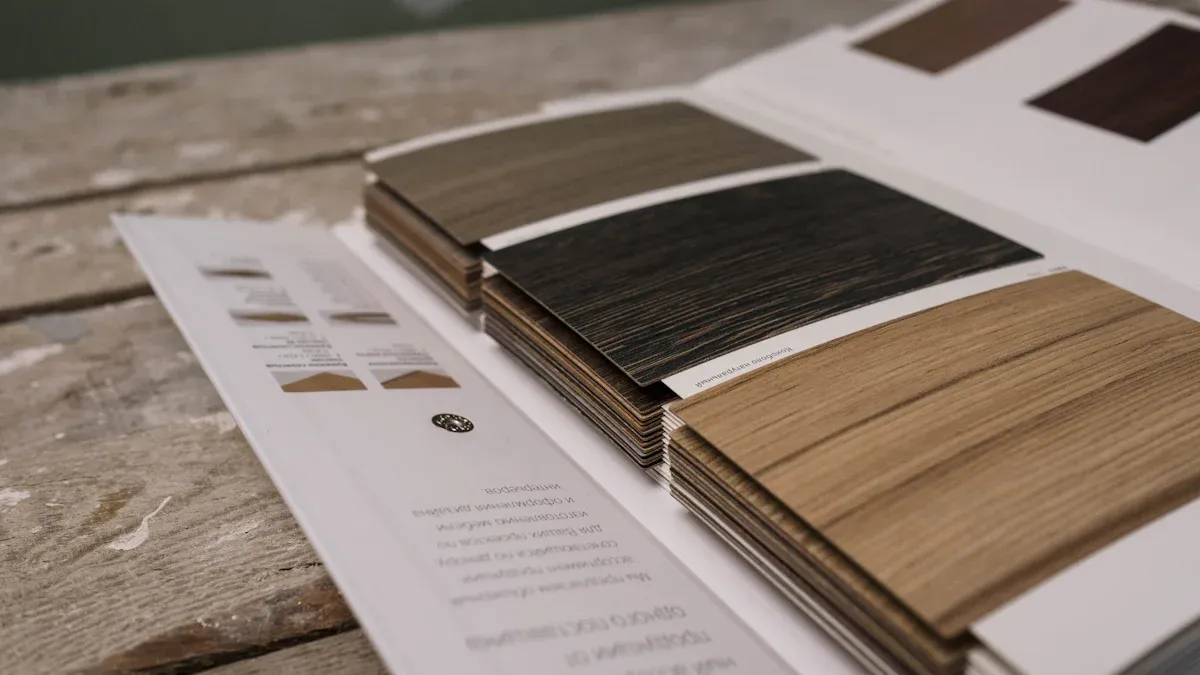
You want your anti-static floor to work well. The finish you pick changes how the floor controls static. HPL, PVC, and Ceramic finishes all meet ESD rules. Each one has special strengths. Look at the table below to see the differences:
Finish Type | ESD Resistance Range (ohms) | Key Advantages |
|---|---|---|
HPL | 10⁶ to 10⁹ | Durable, good for busy areas, meets ESD rules |
PVC | 10⁶ to 10⁹ | Light, easy to clean, stops static well |
Ceramic | 10⁶ to 10⁹ | Very scratch resistant, great for technical rooms, boosts ESD control |
All three finishes give steady performance. HPL is good for offices and server rooms. PVC is easy to clean and keeps resistance steady. It works well in labs and cleanrooms. Ceramic gives permanent anti-static power and strong resistance. It is best for technical rooms and control spaces.
Tip: Pick a finish that fits your facility. Think about your equipment and how much static control you need.
You can trust ZILI’s Anti-Static Calcium Sulfate Raised Floor. It keeps your equipment safe and your workspace running well.
Durability & Resistance
Durability and resistance matter when picking an anti-static floor. You want a floor that handles heavy use and wear. Each finish gives different levels of strength.
HPL finish resists scratches, impacts, and stains. It is used in places with lots of movement. The surface is tough and lasts a long time.
PVC finish resists cracking, aging, and surface wear. The thick layer helps the floor last longer. It handles heavy loads and lots of cleaning.
Ceramic finish gives the highest resistance to scratches and chips. The surface stays strong in busy areas. You do not lose anti-static power or resistance.
Here is a table comparing durability and resistance:
Feature | HPL | PVC | Ceramic |
|---|---|---|---|
Surface Layer Thickness | 1.0-1.2mm | 2.0mm | Thick and dense |
Scratch Resistance | High | High | Very High |
Impact Resistance | High | High | Very High |
Aging Resistance | Moderate | High | Very High |
Environmental Suitability | Not for dry places | Good for most places | Best for technical and busy areas |
All finishes are strong. PVC and Ceramic protect against aging and heavy use more. HPL works well in most places, but PVC and Ceramic are better for rooms with machines or lots of movement.
Note: Strong floors last longer and keep their anti-static power.
Aesthetics
You want your facility to look nice and welcoming. The finish you pick changes how your anti-static floor looks. HPL, PVC, and Ceramic finishes have different style choices.
HPL finish gives many colors and patterns. You can pick matte, gloss, or textured surfaces. The finish looks bright and smooth. It makes your space feel modern.
PVC finish has lots of patterns, including marble-like designs. You can choose warm colors and modular styles. The finish looks fancy and fits almost any place.
Ceramic finish gives elegant designs and decorative options. The surface looks shiny and professional. You get a floor that matches high-end and technical rooms.
Here is a table comparing style features:
Feature | HPL | PVC | Ceramic |
|---|---|---|---|
Aesthetic Variety | Many colors and patterns | Lots of patterns, marble look | Elegant designs, decorative finishes |
Maintenance | Easy to clean | Easy to clean, stops dirt | Needs professional cleaning |
Durability | Resists scratches and impacts | Durable, anti-aging, permanent anti-static | Very strong, lasts long |
You can match the finish to your facility’s style and use. HPL is good for offices and data centers. PVC fits labs, cleanrooms, and factories. Ceramic is best for busy areas and control rooms.
Tip: Use color and pattern to help people move and find spaces. Pick a finish that fits your design and needs.
The right finish makes your workspace safer and more attractive. ZILI’s Anti-Static Calcium Sulfate Raised Floor lets you choose the look and performance you want.
Maintenance
You want your anti-static floor to stay safe and clean. Taking care of the floor is important. Each finish needs different care. The table below shows these differences:
Flooring Type | Maintenance Requirements | Cost Implications |
|---|---|---|
HPL | Simple maintenance, wear-resistant | Generally lower due to ease of maintenance |
PVC | Long-lasting anti-static properties, stable conductivity | Moderate, but may vary based on installation |
Ceramic | Aesthetics, durability, permanent anti-static | Higher initial cost, but low long-term maintenance costs |
HPL finish is easy to care for. You sweep or mop with a dry cloth. Use approved anti-static cleaners. No special tools are needed. The surface does not scratch or stain easily. You spend less time cleaning.
PVC finish keeps its anti-static power for years. Clean with a dry mop or vacuum. Use neutral cleaners once a week. Check the floor for damage every month. Deep clean once a year. The routine is simple, but you must follow it.
Ceramic finish gives permanent anti-static protection. Sweep every day and mop with a neutral cleaner. Schedule professional cleaning every few months. Check for chips or cracks and fix them fast. The ceramic floor lasts many years if cared for well. You pay more at first, but save money later.
Tip: Always use certified cleaners for anti-static floors. This keeps the surface safe and the anti-static power strong.
Cost Comparison
You want to know how much each anti-static floor finish costs. The price depends on the finish type, space size, and design. The table below shows the price range for each finish:
Flooring Type | Price Range (USD) |
|---|---|
HPL | $4.00 - $10.00 |
Ceramic | $6.50 - $9.00 |
PVC | $3.89 - $4.21 |
Raised Ceramic | $6.50 - $8.50 |
ESD Vinyl Tile | $3.89 - $4.21 |
All-Steel HPL/PVC | $5.50 - $7.50 |
Premium Ceramic | $8.00 - $10.00 |
HPL finish gives a good balance of price and performance. You pay less for cleaning and upkeep. The surface lasts a long time. You do not need to replace it often. Maintenance is easy, so costs stay low.
PVC finish has a lower price range. You pay less for installation. The floor resists wear and keeps its anti-static power. Maintenance is simple and the floor lasts many years. Costs may change if you pick special designs or need extra steps.
Ceramic finish costs more at first. You pay more for installation. The floor gives permanent anti-static protection and strong resistance. Maintenance costs are low over time. The ceramic floor lasts more than 15 years with normal use.
Note: Think about both the first cost and the long-term maintenance cost. Picking the right finish helps you save money and protect your equipment.
Application Suitability
You need to match the anti-static floor finish to your facility’s needs. Each finish works best in different places. The list below shows which finish fits your space:
HPL finish is good for offices, server rooms, and data centers. The surface resists wear and scratches. You get steady anti-static protection. The floor works well with grounding systems. Computers and devices stay safe.
PVC finish fits labs, cleanrooms, and industrial areas. The floor keeps its anti-static power for a long time. You get stable conductivity and easy cleaning. The surface resists chemicals and heavy use. Sensitive equipment stays safe and your workspace stays clean.
Ceramic finish is best for high-traffic zones, control rooms, and special facilities. The floor gives permanent anti-static protection. You get strong resistance to scratches and chips. The surface looks elegant and lasts many years. You meet strict safety rules and keep your equipment safe.
Data centers need floors that support heavy server racks and help airflow. The anti-static floor must control static and handle busy spaces. Labs and cleanrooms need floors that stop static and keep the area safe for electronics. Industrial areas need strong resistance to impacts and wear.
Tip: Choose the finish that matches your facility’s environment and needs. ZILI’s Anti-Static Calcium Sulfate Raised Floor gives you options for HPL, PVC, and Ceramic finishes. You get a solution that fits your space and keeps your equipment safe.
Choosing The Right Anti-Static Floor
Assessing Facility Needs
You need to check what your facility needs. Every space is different. Server rooms and data centers need strong ESD protection. Labs need floors that resist chemicals and heavy equipment. Offices and control rooms need floors that look nice and are easy to clean.
Ask yourself some questions:
What equipment do you use?
How many people walk in your space each day?
Do you need extra resistance to chemicals or moisture?
Is your facility often dusty or dirty?
ZILI’s Anti-Static Calcium Sulfate Raised Floor gives you choices. You can pick HPL, PVC, or Ceramic finishes. Match the finish to your facility’s needs. HPL works well in busy offices and server rooms. PVC is good for labs and cleanrooms. Ceramic is best for places with lots of people and technical spaces.
Here is a table to help you compare flooring types and where they work best:
Flooring Type | Application Area | Maintenance Considerations |
|---|---|---|
HPL | Offices, Server Rooms | Easy to clean, resists wear |
PVC | Labs, Cleanrooms | Simple upkeep, stable conductivity |
Ceramic | Control Rooms, High-Traffic Zones | Needs professional cleaning, lasts long |
Tip: Pick a finish that fits your facility’s needs. ZILI’s experts can help you choose the best floor.
Budget Considerations
Think about your budget before you decide. Anti-static flooring keeps your facility safe and working well. The cost depends on the finish, the size of your space, and the design you want. HPL costs less and lasts long. PVC is affordable and easy to care for. Ceramic costs more at first but lasts longer and needs fewer replacements.
Plan your budget by thinking about these things:
Installation costs: Some finishes take more work to put in.
Maintenance expenses: Cleaning and upkeep change long-term costs.
Replacement cycle: Strong finishes mean fewer replacements.
Facility size: Bigger spaces cost more for materials and labor.
Here is a table showing price ranges for anti-static flooring finishes:
Finish Type | Price Range (USD per sq ft) | Maintenance Cost | Lifespan |
|---|---|---|---|
HPL | $4.00 - $10.00 | Low | 10+ years |
PVC | $3.89 - $4.21 | Moderate | 10+ years |
Ceramic | $6.50 - $9.00 | Low | 15+ years |
You can save money by picking a finish that fits your budget and care plan. ZILI’s team can help you figure out costs and find the best value.
Note: Look at both the starting price and the cost to keep the floor clean. Picking the right finish helps you save money and protect your equipment.
Design Preferences
You want your facility to look nice and feel welcoming. The finish you pick changes how your space looks. HPL gives you lots of colors and patterns. You can choose matte, gloss, or textured surfaces. PVC has modular designs and marble-like patterns. Ceramic gives fancy finishes and decorative choices.
Think about these design factors:
Color scheme: Neutral colors make the space calm. Bright colors add energy.
Surface texture: Textured finishes help stop slips. Smooth surfaces are easy to clean.
Pattern selection: Custom patterns help people find their way and show your brand.
Here is a table showing design features for each finish:
Finish Type | Color Options | Surface Texture | Pattern Choices |
|---|---|---|---|
HPL | Gray, beige, black | Matte, gloss, textured | Custom designs |
PVC | Warm gray, taupe, brown, beige | Smooth, modular | Marble-like, wood-look |
Ceramic | Elegant tones | Shiny, decorative | Artistic, technical |
Tip: Match the floor finish to your facility’s style and brand. ZILI has many design options to help you make your space safe and attractive.
Balance your design choices with your facility’s needs and budget. ZILI’s experts can help you pick the right mix of performance and style.
Maintenance Planning
You need a simple plan to keep your anti static floor safe. Good maintenance makes your floor last longer. It also keeps your facility safe. Each finish—HPL, PVC, and Ceramic—needs its own care steps. You must follow these steps to protect your floor and stop ESD risks.
Step-by-Step Maintenance Checklist:
Daily Cleaning
Sweep or vacuum the floor every day. This removes dust and dirt. It stops scratches and keeps anti static properties strong.
Use a microfiber mop for best results. This tool picks up tiny particles without hurting the surface.
Weekly Care
Mop the floor once a week with a neutral, anti-static cleaner. Do not use harsh chemicals like bleach or ammonia. These can damage the finish and lower conductivity.
Check for spills or sticky spots. Clean them right away to stop stains and keep the floor safe.
Monthly Inspection
Look for signs of wear, cracks, or lifted edges. Test the floor’s resistance if you use sensitive equipment.
Write down any damage and schedule repairs fast. This keeps your anti static floor working well.
Annual Deep Cleaning
Plan a deep clean once a year. Use certified cleaners and follow the instructions from the manufacturer.
For ceramic finishes, schedule professional cleaning. Experts use special tools to protect the surface and keep anti static performance strong.
Emergency Response
Clean spills right away. Use a damp cloth for liquids and a dry mop for powders.
If you see chips or cracks, call a technician. Quick repairs stop more damage and keep your floor safe.
Tip: Always use cleaners made for anti static floors. This keeps the surface strong and the ESD protection reliable.
Maintenance Comparison Table
Finish Type | Daily Care | Weekly Care | Monthly Inspection | Annual Deep Clean | Professional Service |
|---|---|---|---|---|---|
HPL | Sweep/mop | Neutral cleaner | Check for scratches | Certified cleaner | Not required |
PVC | Sweep/vacuum | Neutral cleaner | Check seams/edges | Protective polish | Not required |
Ceramic | Sweep/mop | Neutral cleaner | Check for chips/cracks | Professional cleaning | Required |
You must plan for downtime during deep cleaning, especially in busy areas. Schedule maintenance when fewer people use the space. This helps you avoid interruptions and keeps your equipment safe.
Maintenance Planning Tips:
Set a cleaning schedule and stick to it.
Train your staff to use the right tools and cleaners.
Keep a log of maintenance activities. This helps you track performance and spot problems early.
Work with professionals for ceramic floors. They know how to protect the finish and keep anti static properties strong.
You protect your facility and equipment when you plan maintenance well. ZILI recommends regular care to help your anti static floor last longer and work better.
ZILI Expert Consultation
You might not know which anti static floor is best for you. ZILI offers expert help so you can make the right choice. You get support from a team with over 28 years of experience in anti static flooring.
How ZILI Helps You:
Personalized Assessment: ZILI experts look at your facility’s environment, equipment, and traffic levels. They help you pick the best finish—HPL, PVC, or Ceramic—for your space.
Budget Guidance: You get advice on installation costs, maintenance expenses, and long-term savings. ZILI helps you plan your budget and avoid surprise costs.
Design Support: ZILI offers many colors, patterns, and textures. You can match your floor to your facility’s style and brand.
Maintenance Planning: ZILI gives step-by-step care instructions. You learn how to keep your anti static floor safe and working well.
Installation Expertise: ZILI’s team makes sure your floor is installed correctly. Good installation boosts ESD protection and helps the floor last longer.
Note: You can contact ZILI for a free consultation. Their experts answer your questions and help you find the best anti static floor solution.
Consultation Process Table
Step | What You Get |
|---|---|
Facility Assessment | Review of environment and needs |
Finish Selection | Advice on HPL, PVC, or Ceramic |
Budget Planning | Cost estimates and savings tips |
Design Choices | Custom colors and patterns |
Maintenance Guide | Care instructions and schedules |
Installation Support | Professional setup and follow-up |
You feel calm when you work with ZILI. Their team helps you match the floor finish to your needs. You get a safe, strong, and nice anti static floor that protects your equipment and supports your business.
Tip: Reach out to ZILI for expert advice. You get a solution made for your facility and enjoy reliable ESD protection.
You can tell HPL, PVC, and Ceramic finishes are not the same. HPL is tough and lets you pick from many designs. PVC keeps static away and is simple to clean. Ceramic stays strong for a long time and looks fancy. The table below shows how they compare:
Finish | Durability | Maintenance | Style |
|---|---|---|---|
HPL | High | Easy | Versatile |
PVC | Good | Simple | Modern |
Ceramic | Excellent | Professional | Elegant |
Pick the finish that fits your facility best. ZILI experts can help you choose the right anti-static floor for ESD safety and lasting value.
FAQ
What is an anti static floor?
An anti static floor stops static electricity from building up. It protects sensitive equipment and keeps your workspace safe. ZILI’s anti static floors help control ESD risks in server rooms, labs, and cleanrooms.
How do I choose between HPL, PVC, and Ceramic finishes?
You need to think about your facility’s needs, your budget, and how you will care for the floor. HPL is good for offices. PVC works well in labs and cleanrooms. Ceramic is best for places with lots of people. ZILI can help you pick the right finish.
Does ZILI’s anti static floor work in data centers?
Yes, ZILI’s Anti-Static Calcium Sulfate Raised Floor protects servers and IT equipment. It gives steady ESD control and strong durability. The floor holds heavy racks and keeps your data center safe.
How often should I clean my anti static floor?
You should sweep or mop every day. Use a neutral, anti static cleaner once a week. For ceramic finishes, get professional cleaning every few months. Regular care keeps your floor’s anti static power strong.
Can I install anti static flooring myself?
Some finishes can be installed by yourself. For best results, ZILI suggests professional installation. Experts make sure the floor is grounded and gives good ESD protection. You get a safe and reliable floor.
What is the lifespan of ZILI’s anti static floors?
HPL and PVC finishes last more than 10 years. Ceramic finishes last over 15 years. Regular care helps your floor last longer and keeps it working well.
Are anti static floors expensive?
The price depends on the finish and the size of your space. PVC is less expensive. HPL gives good value. Ceramic costs more but lasts longer. ZILI helps you plan your budget and find the best choice.
Why should I choose ZILI for anti static flooring?
ZILI has over 28 years of experience. You get reliable anti static floors, expert advice, and custom solutions. You protect your equipment and make your workspace safe and efficient.