






Comparing Computer Room Raised Floor Systems for Data Centers
 Nov 25, 2025|
 View:142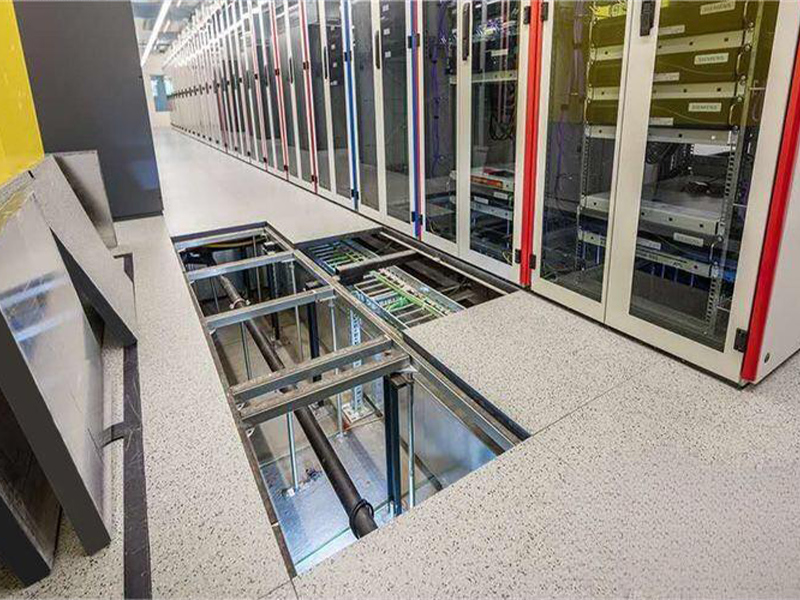
Choosing the right computer room raised floor system depends on what you need. You should think about cooling, cost, flexibility, and how well it works. Many data centers use raised floor systems. These floors help control airflow and keep cables organized.
Data centers make up 52% of the raised access floor market.
Before you pick a system, think about how much cooling you need. Also, consider how much equipment you will have and if you plan to grow. This article will help you look at different raised floor systems, like ZIli’s All-Steel Raised Floor. It will help you choose the best one.
Key Takeaways
Pick a raised floor system that fits your cooling needs, how heavy your equipment is, and your plans for the future. This helps your data center work well.
Raised floors help air move better. They lower energy bills and keep cables neat. This makes your data center work better.
Choose a modular design for your raised floor. This lets you change things fast as your data center grows. It helps you use new technology easily.
You must take care of your raised floor often. This makes the floor last longer and helps cooling work better.
Think about safety features like earthquake resistance and fire safety when you pick a raised floor system. This keeps your equipment safe.
Computer Room Raised Floor Overview
Purpose and Key Benefits
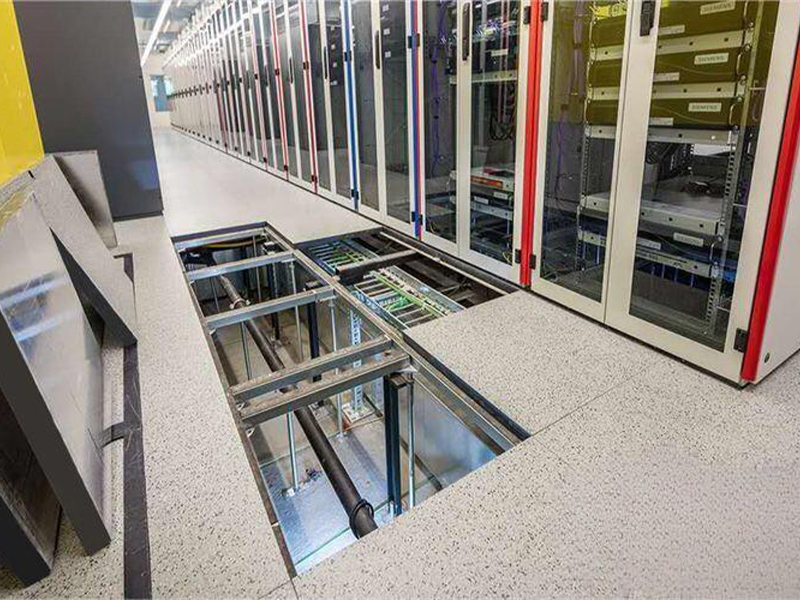
When you build a data center, you want it to work well and be safe. A computer room raised floor helps you do this. There are many good things about using this kind of floor:
You can control airflow better. Perforated tiles let cool air move under your equipment. This keeps things from getting too hot.
You can save energy. Big data centers with raised floors can lower energy bills by up to 64%.
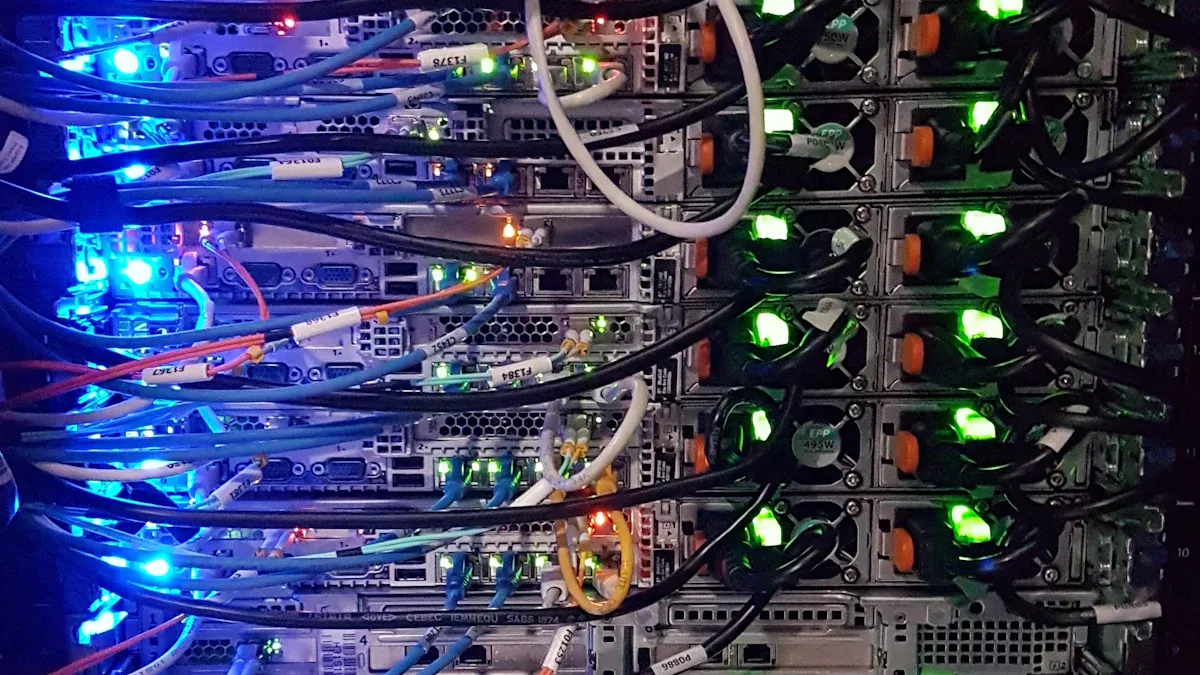
You can keep cables neat. The space under the floor gives you clear paths for power and data cables. This stops cables from getting messy.
You can get ready for more equipment. If you need to add more, you can change the space fast.
You use space in a smart way. The area under the floor holds cables and cooling systems. This gives you more room above.
You make things safer and easier to fix. Hidden wires and cooling systems lower risks and make repairs simple.
Raised floor systems also make it easy to manage cables. The design keeps power cables away from other supplies. You can reach and handle cables without problems. This setup makes your data center safer and helps it run better.
Main Types of Raised Floors
You have a few choices when you pick a raised floor system for your data center. Each type has its own special features:
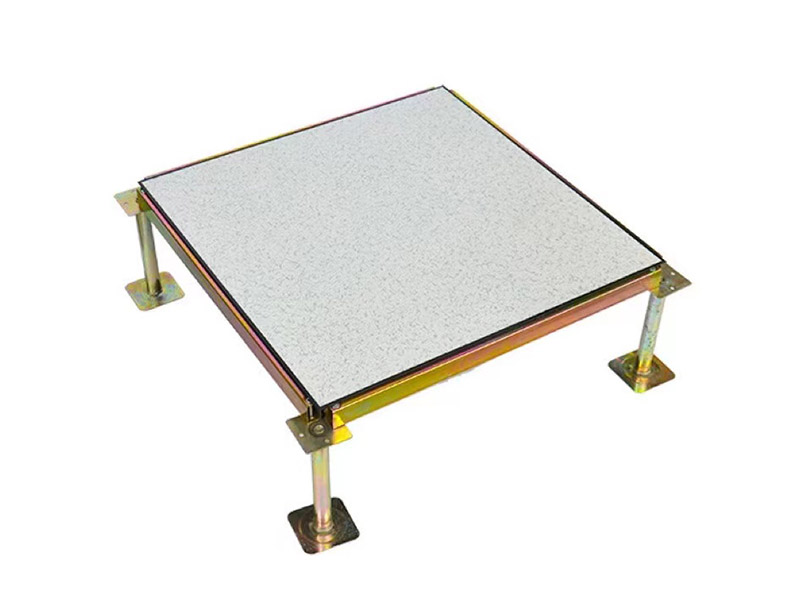
All-Steel Raised Floors: These floors are strong and can hold heavy things. They last a long time and are easy to fix.
Aluminum Access Floors: These floors do not rust and are good if there is moisture.
Calcium Sulphate Floors: These floors do not get damaged by water and help protect against fire.
Ceramic Raised Floors: These floors look nice and are simple to clean.
Anti-Static Floors: These floors keep sensitive equipment safe from static electricity.
Tip: When you pick a raised floor system, think about what your data center needs for cooling, cable management, and future changes. The right system keeps your space neat and working well.
Cooling and Airflow Comparison
Underfloor vs. Overhead Systems
Think about how air moves in your data center. There are two main cooling systems. One is underfloor, and the other is overhead. Underfloor systems use space below raised floors for air. Cool air goes under the floor and comes up through special tiles. This lets you control where cool air goes. You can send cool air right to your equipment. Overhead systems push cool air from above. These work well in some places. But they may not reach equipment at the bottom of racks.
Underfloor air systems cool servers better. You can change the setup if you add more equipment. This helps you save money on cooling. Overhead systems might need more power to push air down. This can make them less efficient.
Note: Underfloor air systems give you more control. They also help cooling work better in data centers.
Air Distribution and Efficiency
A good air system spreads cool air everywhere. Raised floors help stop hot spots. You can use special tiles and grilles to guide air. This makes cooling and efficiency better.
Here is a table that shows how raised floors help air and cooling:
| Impact | Description |
|---|---|
| Improved Airflow Management | Raised floors help air move by removing things that block it in regular rooms. |
| Enhanced Cooling Efficiency | They let cool air go straight to equipment. This spreads air evenly and stops hot spots. |
You want cool air to go right to your servers. This helps cooling work well and keeps equipment safe. Raised floors give strong air movement. They also make your data center work better and last longer.
Tip: Check your airflow often. Move tiles and grilles to keep cooling strong.
Energy and Sustainability
Airflow Optimization
You want your data center to use less energy. Airflow solutions help with this. Raised floor systems guide cool air to the right spots. Good airflow lowers energy use and makes things work better. Perforated tiles and grilles send cool air to hot spots. This keeps equipment safe and helps cooling do its job.
Check the table below to see how airflow changes save energy in raised floor rooms:
| Evidence Type | Percentage of Energy Savings |
|---|---|
| Case Study | Up to 6% |
| Initiative | Roughly 20% |
Even small airflow changes can save a lot of energy. If you move tiles and watch air paths, cooling works better and costs go down. This helps your data center run well every day.
Tip: Check airflow often. Move tiles and grilles to keep cooling strong and save energy.
Environmental Impact
The raised floor system you pick affects the environment. Raised flooring helps you manage cables and cooling. This lowers energy use and keeps your data center green. You can see how different floors compare in the table below:
| Flooring Type | Environmental Impact | Energy Efficiency Contribution |
|---|---|---|
| Raised Flooring | Makes cable management and cooling easier, so you use less energy | Helps cooling by letting air move under the floor |
| Slab Flooring | Uses more energy because it needs overhead cooling | Needs more energy for cooling than raised flooring |
| Concrete Flooring | Lasts long and spreads heat well, so cooling needs go down | Protects equipment from static, so it lasts longer |
| Vinyl and Rubber | Cheap and can carry electricity, but does not last as long | Gives some energy savings, but not as much as raised flooring |
Raised flooring is best for cooling and saving energy. Choosing systems with good airflow helps the planet. It also makes your data center safer and more dependable.
Note: The right raised floor system saves energy and helps the environment.
Flexibility and Scalability
Modular Design
You want your data center to grow and change as your needs change. Modular raised floor systems help you do this. These floors use panels that you can move or swap out. You can reconfigure your space quickly. If you need to turn an office into a data center, modular floors make it easy. You do not need to tear up the whole floor. You just move the panels where you need them.
Modular designs also help you manage power and data. The space under the floor, called the plenum, holds cables and wires. You can add new cables or move old ones without much trouble. This setup gives you more options for how you lay out your equipment. You can change your data center’s design to fit new servers or racks.
Improved power and data management opportunities
More layout options for different configurations
Quick reconfiguration capabilities to adapt to evolving needs
Tip: Choose a modular raised floor if you want to make changes fast and keep your data center ready for the future.
Load Capacity
You need a floor that can hold heavy equipment. Raised floor systems come with different load ratings. Some floors, like all-steel designs, support very heavy racks and servers. You should check the load capacity before you pick a floor. Make sure it matches the weight of your equipment.
A strong raised floor keeps your data center safe. It stops tiles from bending or breaking. You can add more servers or storage units without worry. If you plan to expand, pick a floor with a higher load rating. This way, your data center stays flexible and ready for growth.
Note: Always match your floor’s load capacity to your current and future equipment needs. This helps you avoid problems and keeps your data center running smoothly.
Cost and Maintenance
Installation Costs
When you plan your data center, you need to think about the cost of installing a raised floor system. The price can change based on the type of floor you choose. Some floors cost less to install, while others offer more strength or special features. Here is a table that shows the average cost per square foot for different raised floor systems:
| Type of Raised Floor System | Average Cost per Square Foot |
|---|---|
| Woodcore | $20.00 |
| Hollow Steel | $40.00 - $50.00 |
| Concrete Filled | $80.00 |
You might pay more for a system that supports heavy equipment or advanced cooling. If you want a floor that lasts longer and handles more weight, you may need to invest more at the start. Always match your budget to your data center’s needs.
Tip: Plan for both the initial cost and the long-term value. A higher upfront cost can save you money over time if the floor lasts longer and supports better cooling.
Maintenance and Upkeep
You want your raised floor to last and work well. Regular maintenance helps you avoid problems and keeps your data center safe. In a high-tech data center, a well-maintained raised floor can last over 15 years, even with heavy equipment. In a less demanding office, a floor with minimal care may last around 10 years.
Here are some ways to keep your raised floor in good shape:
Check tiles and supports for damage or wear.
Clean under the floor to stop dust from blocking cooling airflow.
Make sure all panels fit tightly to prevent air leaks.
Inspect cable paths to avoid tangles or hazards.
Good maintenance helps your cooling system work better. It also keeps your equipment safe and your data center running smoothly. If you take care of your floor, you will spend less on repairs and replacements.
Note: Schedule regular checks and cleaning. This simple step can extend the life of your raised floor and improve cooling efficiency.
Performance and Safety
Seismic Considerations
You want your data center to be safe in earthquakes. Raised floor systems help with this. Pick floors with strong supports. These supports use pedestals and stringers to hold the floor steady. Some floors meet strict codes for earthquake areas. This keeps your equipment safe if the ground shakes. Some systems have extra bracing. Bracing helps stop the floor from moving. It keeps tiles from sliding around. Always check the load rating and how stable the floor is. A strong floor protects your servers. It helps your data center keep working. Good earthquake design makes your facility work better.
Many data centers follow safety rules to keep floors safe. These rules include:
ISO 27001 for keeping information safe
Uptime Institute’s Tier Certification for reliability
TIA Standards for infrastructure
ASHRAE Thermal Guidelines for temperature control
LEED and Green Building Certifications for sustainability
Tip: Always ask about earthquake ratings and safety rules when you plan your data center floor.
Fire Safety
Fire safety is very important in data centers. Raised floor systems help lower fire risks. Many floors use materials that slow down fire. Some systems have fire stops and barriers under the floor. These features keep fire from spreading fast.
You should put smoke detectors and fire systems under the raised floor. This helps you find problems quickly. Regular checks keep your fire safety systems working well. Good fire safety design protects your equipment. It also helps your data center work better.
Note: Pick raised floor systems that meet fire safety rules and help your safety plan.
Practical Implications for Data Centers
Decision Factors
When you pick a computer room raised floor, think about your daily work. The right floor keeps your space neat and helps things run well. Raised floors help cool your equipment by moving air better. You can organize cables so your team fixes problems faster. This makes maintenance easier and stops long breaks.
Here is a table that lists key things to think about when picking a raised floor system:
| Factor | Description |
|---|---|
| Application | Different places need different floor heights and materials. |
| Height | Low floors are good for old buildings. Tall floors help move air. |
| Cooling System | Good airflow keeps your equipment cool and working. |
| Cable Management | Good cable paths stop air problems and keep things neat. |
| Weight Load | Raised floors must hold heavy servers and racks. |
Think about how your choice will help with future changes. Raised floors let you add new servers or upgrade equipment. You can move cables and cooling systems without big problems. This helps your data center grow and use new technology.
Different raised floor systems help with cooling and safety. All-steel floors are strong and hold heavy equipment. Modular designs let you change your space easily. Most data centers need good airflow and strong floors. These features help your data center work well.
Want to make your data center better? Talk to ZIli for help and custom raised floor solutions that match what you need.
FAQ
What is a raised floor system in a data center?
A raised floor system creates a space under your equipment. You use this space for cables, cooling, and power. This setup keeps your data center organized and helps with airflow.
How do I choose the right raised floor for my data center?
You should look at your cooling needs, equipment weight, and future growth plans. Make a list of your main requirements. This helps you pick the best floor for your space.
How often should I check or maintain my raised floor?
You should check your raised floor every few months. Look for loose tiles, dust, or cable problems. Regular checks keep your data center safe and working well.
Can a raised floor help with cooling?
Yes! Raised floors let cool air move under your equipment. You can use special tiles to direct air where you need it most. This keeps your servers from overheating.
What is the load capacity of a raised floor?
Load capacity means how much weight your floor can hold. You should check the rating before adding heavy racks or servers. Always match the floor’s strength to your equipment.



Recent News
1.The Advantages of Metal Raised Floor Panels for Modern Spaces
2024-09-182.How does a perforated raised floor contribute to improved airflow and ventilation in data centers?
2023-12-053.What are the benefits of using a hydraulic raised floor lifter?
2023-11-144.What is a Steel Cementitious Raised Floor, and How Does It Work?
2023-08-025.What is a Raised Floor Panel, and How is it Used in Modern Construction?
2023-07-27