





Comparing Popular Raised Access Flooring Systems for Modern Projects
 Dec 04, 2025|
 View:126
You want the best raised access flooring for your project, but the right system depends on what you need. Look at important things like cable management, airflow, load capacity, and future flexibility. Many buyers want floors that hold heavy equipment, are easy to change, and help with air flow. ZiLi is special because it has many good, eco-friendly flooring choices and is known for being reliable. This guide gives you helpful tips and real examples to help you pick the best option.
Key Takeaways
Raised access flooring systems help organize cables and air. They work well in modern offices.
You can pick stringer or stringerless systems. Think about how strong you need the floor to be. Also, think about how much weight it must hold. Some systems take longer to install than others.
Premium materials like woodcore and calcium sulphate are very strong. They also look nice in special places.
Look at what your project needs. Check how much weight the floor must hold. Make sure it has safety features. This helps you choose the best flooring system.
ZiLi has eco-friendly choices and custom solutions. They give good quality and support for your flooring needs.
Overview of Raised Access Flooring
What Are Raised Access Floors?
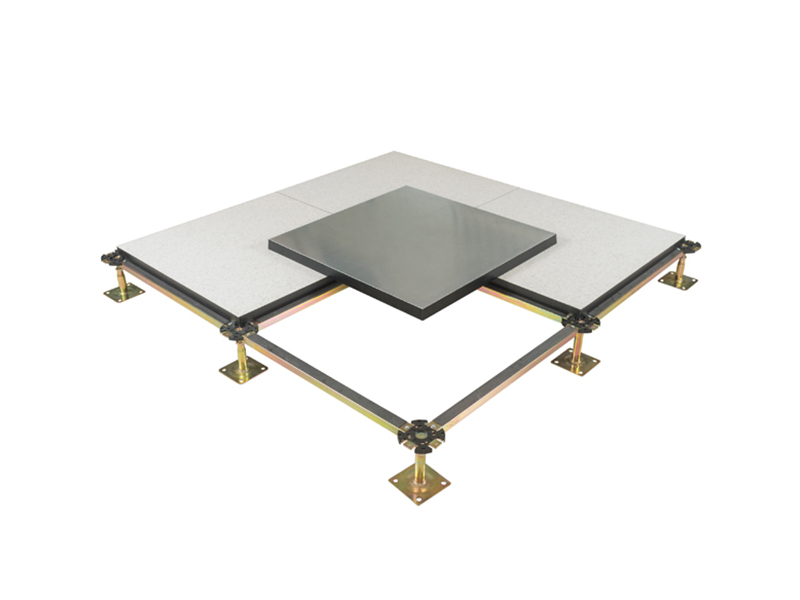
Some offices and data centers have floors with a hidden space. These are called raised access floors. The panels sit on pedestals and make a gap under the floor. This gap lets you hide cables, wires, and air ducts. It helps keep your workspace neat and tidy. You can also change the layout easily if you need to.
ZiLi has made these systems for over 28 years. They offer many choices, like all-steel, aluminum, anti-static, calcium sulphate, ceramic, glass, and woodcore floors. Each type works well in different places, such as offices or clean rooms.
Benefits for Modern Projects
You want your building to be safe, flexible, and work well. Raised access flooring gives you these benefits. It can hold heavy equipment. It helps cool the room and keeps cables neat.
Here is a table that shows what raised access floors do in today’s workspaces:
Function | Description |
|---|---|
Supporting Data Center Equipment | Holds heavy machines and makes cable management simple. |
Enhancing Airflow and Cooling | Lets air move under the floor, which helps keep equipment cool and saves energy. |
Compliance with Building Codes | Meets safety and energy rules, making your building safer and more efficient. |
Raised access flooring has become more popular in the last ten years. The market size was $2.37 billion in 2024. It may grow to $2.51 billion in 2025, with a CAGR of 6.1%. This means more builders and owners trust raised access floors.
Tip: If you want a workspace that can change with new technology, raised access floors are a smart pick.
Types of Raised Access Flooring Systems
Stringer and Stringerless Systems
You can pick stringer or stringerless raised floor systems. Stringers are metal bars that connect pedestals under each panel. They make the floor stronger and more stable. Stringerless systems do not use these bars. They are faster to put in and usually cost less.
Here is a table to help you compare these two types:
Feature | Stringerless Access Floors | Stringer Access Floors |
|---|---|---|
Stability | Moderate stability | High stability |
Load Capacity | Lower load capacity | Higher load capacity |
Cost | Typically lower cost | Higher cost |
Installation Complexity | Less complex, quicker | More complex, longer |
If you need a strong and stable floor, pick stringer systems. If you want a quick and easy setup, stringerless systems are better.
OA Floor and Anti-Static Floors
OA floor and anti-static raised access flooring help with cable management and static control. These floors are used in offices, data centers, and tech rooms.
OA floor and anti-static raised access flooring give you many good things:
They help air move better, so equipment stays cool and less dusty.
You can keep cables neat, which makes your space look better.
The design lets you get to wires fast for repairs.
These floors help stop dirt and keep your area safe.
You can change the setup as your needs change.
These raised floor systems help your workspace stay ready for the future and work well every day.
Premium Raised Access Floors (Woodcore, Calcium Sulphate, Ceramic, Glass)
Premium raised access floors use special materials for more strength and style. Woodcore panels have a strong wood center. Calcium sulphate panels use natural gypsum, which is good for the environment and resists fire. Ceramic and glass panels look modern and are easy to clean.
You can use these floors in offices, clean rooms, and places that need to look fancy. They hold heavy equipment and last a long time.
Low-Profile and Heavy-Duty Systems
You might need low-profile or heavy-duty raised access flooring for special rooms. Low-profile systems fit where ceilings are low or you cannot raise the floor much. Heavy-duty systems hold very heavy machines and lots of people walking.
These raised floor systems are used in:
Data centers
Offices
Control rooms
Schools
Casinos
Emergency call centers
Low-profile and heavy-duty raised access flooring help you manage cables, make air better, and support important work. You can find a good system for almost any building.
Components of Raised Access Floors
Panels and Materials
You pick panels based on what your space needs. Each material has its own strengths. Some panels use concrete. Concrete is strong and does not burn easily. Steel panels are good for safe places and also resist fire. But you need to watch out for rust on steel. Aluminum panels are light and easy to move. They can dent more than other types. Advanced composites are very tough and do not rust. Acoustic panels help make loud rooms quieter.
Here is a table that shows how each material changes how strong and useful the floor is:
Material | Durability and Performance Impact |
|---|---|
Concrete | Very strong and good for busy places. It does not burn and helps with noise. But it is heavy and hard to change. |
Steel | Strong and does not burn. Used in safe places but can rust and needs care. |
Aluminum | Light and does not rust. Easy to put in but not as strong and can dent. |
Advanced Composites | Super strong and does not rust. Easy to use and can be made in many shapes. |
Acoustic Materials | Soaks up sound and makes rooms quieter. |
Pedestals and Stringers
Pedestals and stringers hold up the panels. You see pedestals under each panel. They keep the floor flat and hold the weight. Stringers connect the pedestals and make the floor stronger. If you need to hold heavy things, use steel stringers. These stringers spread out the weight and stop the floor from bending.
Steel stringers help the floor hold more weight.
They also stop damage in busy rooms.
Stringers link pedestals and make the floor steady.
They are needed when you have heavy things on the floor.
The design keeps the floor from moving or bending.
A C-profile stringer spreads weight and keeps the floor flat.
Accessories and Finishes
Accessories and finishes make your floor safer and more useful. Grommets help you keep cables neat. Electric boxes go in the floor for easy power and data. Brush grommets keep dust out but let cables go through. Panel lifters help you take out panels safely. Rampers and ramps help you move between floors of different heights. Raised floor brace systems make the floor stronger and keep panels in place.
Here is a table that shows what each accessory does:
Accessory/Finish | Functionality |
|---|---|
Grommets | Keep cables neat and safe. |
Electric Boxes | Give you easy power and data in the floor. |
Brush Grommets | Stop dust but let cables go through safely. |
Panel Lifters | Help you take out panels for fixing things. |
Rampers | Make it easy to move between different floor heights. |
Raised Floor Brace System | Makes the floor stronger and keeps panels lined up. |
Ramps and Steps | Help you move safely between floors at different heights. |
Brush Grommet | Helps air move and keeps cables neat, good for cooling. |
Tip: Pick the right accessories and finishes to make your floor safer and work better for your project.
Pros and Cons of Popular Raised Access Flooring Systems
Stringer vs. Stringerless Systems
You have to pick between stringer and stringerless systems. Each one has good and bad points. The table below shows how they are different:
Feature | Stringer Systems | Stringerless Systems |
|---|---|---|
Stability | Higher stability and load capacity | Less stability, more panel movement |
Installation Time | Requires more time and labor for installation | Easier and faster to install |
Load Capacity | Suitable for heavy equipment and high-traffic areas | Best for lighter loads and flexible office spaces |
Long-term Performance | Better long-term performance in demanding environments | May allow more vibration in busy spaces |
Pick stringer systems if you need to hold heavy things or lots of people. Stringerless systems are good if you want to set up fast and move things often.
OA and Anti-Static Floors
OA floors and anti-static floors do different jobs. OA network floors help you keep cables neat and easy to reach. They work best in offices where you change the setup a lot. Anti-static raised access flooring keeps static electricity away from your equipment. This is important in places like data centers and tech rooms. Static electricity can hurt computers and even shock people. Use anti-static floors where there are lots of electronics to keep everything safe.
Tip: Always use anti-static floors where you have sensitive electronics. This helps stop damage and keeps people safe.
Premium Systems: Woodcore, Calcium Sulphate, Ceramic, Glass
Premium raised access floors give extra features for special spaces. Woodcore panels are light and help make rooms quieter. Calcium sulphate panels are heavy, do not burn, and hold a lot of weight. They are also good for the environment because they can be recycled. Ceramic and glass panels look modern and are simple to clean.
Here is a table that shows the features:
Flooring Type | Durability Features | Environmental Benefits |
|---|---|---|
Woodcore | Lightweight, good acoustic properties | Reduces use of natural wood |
Calcium Sulphate | High density, fire-resistant, excellent load-bearing | Sustainable and recyclable |
Ceramic | Hard surface, easy to clean | Long-lasting, low maintenance |
Glass | Modern appearance, easy to clean | Recyclable, supports green standards |
You can use these premium floors in fancy offices, clean rooms, or places that need to look nice and be strong. Calcium sulphate floors also help you meet green building rules and last a long time.
Comparing Raised Access Flooring Systems
Performance and Load Capacity
You want your floor to be strong enough. Raised access flooring systems have different strengths. Some floors work for offices with light use. Others can hold heavy equipment in data centers or control rooms. Look at the table to see how much weight each type can hold:
Load Category | Load Capacity (psf) |
|---|---|
Light Duty | 250 to 500 |
Medium Duty | 500 to 1,000 |
Heavy Duty | 1,000 to 2,500 |
Extra Heavy Duty | Exceeding 2,500 |
If you need to put in heavy servers or big machines, pick a heavy-duty or extra heavy-duty system. For normal offices, light or medium-duty floors are fine. Always match the load rating to what you need. This keeps your space safe and working well.
Flexibility and Adaptability
Modern workspaces change quickly. You need a floor that can keep up. Raised access floors let you change your space without big work. Here are some ways these floors help you stay flexible:
You can move walls and desks to make new spaces.
You can add new cables under the floor for tech upgrades.
You can make your space bigger as your team grows.
You can put in new equipment without taking out the floor.
Many schools and offices use cable management access floor systems for technology and flexible learning. By 2025, more companies will use these floors to get ready for the future. You get a workspace that fits your needs and can change when you want.
Note: Raised access flooring helps open-plan offices and modern labs. You can change your layout or add new tech with less trouble.
Installation and Maintenance
You want a floor that goes in fast and is easy to care for. How long it takes to install depends on the system and glue used. Some glues need 20 to 50 minutes to set before you use them. Let the floor sit for 48 hours before putting heavy things on it. Make sure the sub-floor is clean and dry before you start.
During installation, keep panels safe from damage. Use tempered hardboard in busy spots. Handle panels gently so they do not chip. For cleaning, dry mopping works best. If you need to, use a mild soap for damp mopping. Do not use strong chemicals, wax, or buff the floor. Never flood the panels with water.
High pressure laminate tiles need little care.
Keep dust away for better airflow.
Check your floor often to help it last longer.
Cost and Value
You want to get the most for your money. Raised access flooring costs more at first than regular floors. But you save money later on changes, repairs, and upgrades. The material you pick changes the price. Here is a quick look at average installed costs:
Steel panels: $15 – $30 per square foot
Calcium sulfate: $10 – $25 per square foot
Wood/plywood: $15 – $35 per square foot
Aluminum: $25 – $40 per square foot
Concrete: $30 – $50 per square foot
Plastic composites: $5 – $15 per square foot
Ceramic/porcelain: $30 – $60+ per square foot
You also get value from flexibility and better airflow. These things can lower your energy bills and make your space easier to use. When you pick the right system, you get a floor that helps your business for a long time.
Tip: Think about both the starting cost and the savings later. A good raised access floor helps with flexibility, safety, and less maintenance.
Choosing the Right Raised Access Flooring for Your Project
Assessing Project Needs
You need to start by understanding what your project requires. Every space is different. Some rooms need to support heavy equipment. Others need easy cable access or special safety features. You can follow these steps to make sure you choose the right system:
Determine the Purpose and Requirements: Decide how you will use the space. Think about what you need, like strong floors or fire safety.
Load-Bearing Capacity: Check how much weight the floor must hold. Make sure it meets industry standards.
Height and Adjustability: Measure how much space you need under the floor for wires or pipes. Pick a system that lets you adjust the height.
Cable Management and Integration: Choose a system that keeps cables neat and safe. This helps prevent accidents.
Fire Resistance and Safety: Make sure the floor can resist fire and follows safety rules.
Environmental Considerations: Look for systems made from recycled materials. This helps you meet green building goals.
Supplier Selection and Support: Work with a trusted supplier who offers good support and has a strong track record.
Budget Considerations: Set your budget. Find a solution that gives you value without lowering quality.
Tip: Write down your needs before you start shopping. This helps you compare options and avoid mistakes.
Matching System Features
You want your raised access floors to match your project goals. Each feature should help you reach your targets. For example, you may need better cable management for a data center or strong panels for a control room. You can use a requirements traceability matrix (RTM) to link your needs with the features of each system. This tool helps you see if a system meets your goals.
The RTM connects your project needs with your business goals. This makes it easier to manage your project.
You get a clear view of all your needs. This helps everyone involved understand what is important.
The RTM makes it simple to track tasks and see if you meet your goals.
Quality teams can use the RTM to plan tests and make sure the floor works as expected.
The RTM helps you find problems early. You can fix them before they become bigger issues.
Note: Matching features to your needs saves time and money. You get a floor that works well for your space.
Compliance and Standards
You must make sure your raised access flooring system meets important standards. These rules help keep your building safe and efficient. Many international buyers look for certifications that show quality and safety. Here is a table of key certifications and what they mean:
Certification | Description |
|---|---|
ISO 14001 | International standard for environmental management. Helps reduce waste and use resources well. |
ISO 9001 | Quality management standard. Shows you can deliver products that meet customer needs. |
CE Certification | Proves the product meets health, safety, and environmental rules in Europe. |
CISCA | Sets test methods for access floors. Makes sure floors meet industry standards. |
OHSAS 18001 | Helps manage health and safety risks at work. |
You should always check for these certifications when choosing a system. They show that the product is safe, reliable, and good for the environment.
Tip: Ask your supplier for proof of certification. This gives you peace of mind and helps you meet local building codes.
Real-World Applications and Case Studies
Office Buildings and Data Centers
Many office buildings use raised access flooring. These floors help keep cables organized and out of sight. In offices, messy wires can be a problem. Raised floors let you hide wires and reach them fast for repairs. This makes the office look clean and nice for visitors.
Data centers need strong floors for heavy servers. These floors also help keep equipment cool. Perforated panels let air move and make fixing things easier. The table below shows how raised floors help solve problems:
Case Study | Challenges Faced | Solutions Provided | Results and Benefits |
|---|---|---|---|
Corporate Office Building | Messy cables, hard maintenance, need for good looks | Cable trays, access hatches | Neat cables, easy repairs, better appearance |
Data Center Facility | Many cables, cooling needs, future upgrades | Heavy-duty floors, perforated panels | Better airflow, easy upgrades, less downtime |
ZiLi’s raised access flooring is used in many famous buildings. Some examples are the Beijing Mobile Communication Company Office Building and Chengdu Times Fortune Square.
Clean Rooms and Control Rooms
Clean rooms and control rooms must stay very clean. They also need to control temperature and airflow. Raised floors with special panels help keep dust away. Perforated panels move air and keep the room cool. This design stops dust from building up and helps remove tiny particles.
Aspect | Contribution to Clean Rooms and Control Rooms |
|---|---|
Controlled Airflow | Perforated panels guide air, control temperature, and keep particles away. |
Contamination Control | Floors reduce dust and help remove airborne particles. |
Thermal Management | Airflow helps cool equipment and keeps the room safe. |
Industrial and Specialized Environments
Industrial spaces have special needs. You need good planning and skilled workers to install the floor. Checking the floor often helps it last longer. You must think about cost and pick the right materials. Good planning makes it easier to change things later.
Challenge | Solution |
|---|---|
Installation coordination | Work closely with contractors and manage the project well. |
Accurate installation | Use skilled installers and check quality often. |
Maintenance complexity | Inspect floors regularly and train staff for proper care. |
Cost considerations | Compare options and get expert advice to balance cost and quality. |
Material selection | Choose materials that fit your project with help from experts. |
Future modifications accessibility | Plan access points and keep records for easy maintenance. |
Tip: Raised access flooring helps fix many problems in commercial buildings. It also gets your space ready for the future.
Why Choose ZiLi for Raised Access Flooring?
Quality and Sustainability
You want a floor that lasts a long time. You also want it to help the environment. ZiLi checks every product carefully. They use strict tests and inspections. This makes sure the floors work well and meet your needs. ZiLi follows ISO 9001 and ISO 14001 rules. These rules show they care about quality and the planet.
Here is a table that shows how ZiLi keeps quality high:
Quality Assurance Aspect | Description |
|---|---|
Testing and Inspections | Careful testing and checking make sure the product works well and meets all needs. |
Adherence to Standards | Following ISO 9001 and ISO 14001 rules shows ZiLi cares about quality and the environment. |
Customer Confidence | Good quality makes customers trust the product and know it will last. |
ZiLi also helps the planet. Their panels use recycled steel, aluminum, and plastic. Cleaner ways of making floors save energy. ZiLi works to cut down waste and recycle old panels. Many floors can be recycled when you are done using them. This helps you reach green building goals.
Capacity and Service
You need a supplier who delivers on time. You also want good help for your project. ZiLi has a big factory and a skilled team. They make over 800,000 square meters of flooring each year. You get fast delivery and enough stock for big orders.
Here is a table that shows ZiLi’s capacity and service:
Feature | ZiLi |
|---|---|
Number of Employees | About 80 |
Plant Area | Over 15,000 square meters |
Annual Production Capacity | More than 800,000 square meters |
Certifications | ISO9001, ISO14001, OHSA18001 |
Production Efficiency | Better than older equipment |
Experience | 30 years in the business |
Customer Service | Great after-service help |
ZiLi’s team helps you from start to finish. You get quick answers and support at every step.
Custom Solutions and Support
You may need special things for your project. ZiLi gives custom designs to help you save money and get what you want. You can pick finishes and panel sizes that fit your space. ZiLi helps you from planning to installation. You get help with every part, so your project goes well.
Here is what ZiLi gives you:
Solutions made for your project goals.
Designs you can change for finishes and sizes.
Choices that save money but keep quality high.
Full help from start to finish.
If you buy from another country, you can ask ZiLi for OEM and custom solutions. ZiLi’s team will help you get the right raised access flooring for your needs.
You can pick from many raised access flooring systems. Each one is good for different reasons. The table below shows how steel cementitious, aluminum, and woodcore panels are not the same:
Type of Panel | Key Characteristics | Advantages |
|---|---|---|
Very strong and lasts long, good for busy places | Does not burn, holds heavy things well | |
Aluminum Panels | Light and does not rust | Easy to move, works well in wet places |
Strong and looks nice | Looks good, holds medium weight well |
If you pick the right system, your project works better. You also save money as time goes on. You will not spend as much fixing or changing things later. For the best results, ask experts for help and choose ZiLi. ZiLi gives you good quality, helpful service, and custom choices for any project.
FAQ
What is the main benefit of raised access flooring?
You get easy cable management and flexible layouts. Raised floors let you hide wires and pipes under panels. You can change your space quickly when your needs grow.
How do I choose the right raised access floor system?
Start by listing your needs. Think about load capacity, fire safety, and cable management. Match these needs to the features of each system. Ask your supplier for advice.
Can raised access floors support heavy equipment?
Yes, many systems hold heavy servers or machines. Check the load rating before you buy. Heavy-duty panels work best for data centers and control rooms.
Are raised access floors easy to maintain?
You can clean most panels with a dry mop. For deeper cleaning, use mild soap and water. Avoid harsh chemicals. Regular checks help your floor last longer.
Does raised access flooring help with energy savings?
Yes. Raised floors improve airflow for cooling systems. Better airflow can lower your energy bills and keep equipment safe.