






Why Low Profile Access Floors Are the Smart Choice for Cable Management
 Jun 05, 2026|
 View:119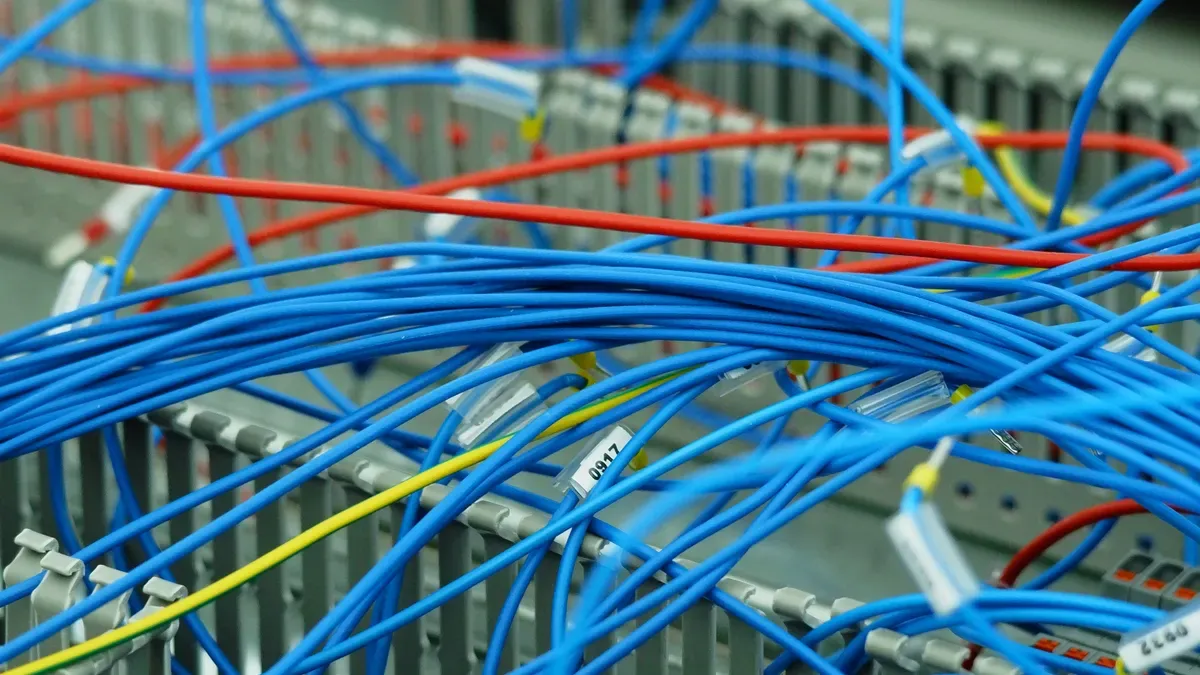
You want a cable management system that keeps your space neat, safe, and easy to take care of. Low profile access floors are a smart way to organize cables. They do not use up important headroom. Many facility managers in offices, call centers, and control rooms pick this system. It lets them get to cables quickly for repairs. It keeps cables neat and makes upgrades easy. With a low profile access floor, you do not have messy surfaces. You get a workspace that can change as your needs change.
Key Takeaways
Low profile access floors help keep cables neat and tidy. They make your workspace safe and free from mess. Installation is fast and simple. You can fix or upgrade things quickly without stopping work. These floors keep cables safe from harm and dust. This helps cables last longer and stay safe in your office. The modular design lets you change things easily. You can adjust your workspace as technology or needs change. Low profile access floors also make your office look better. They hide cables and give your office a clean and professional look.
What Is a Low Profile Access Floor?

Definition and Structure
A low profile access floor is a special type of raised flooring system. You use it to create a shallow space between the base slab and the finished floor. This space is perfect for running cables and small pipes. Most low profile access floors have a finished floor height between 1.58 inches and 2.76 inches. Some designs can go as low as 1.38 inches. You get a modular system made up of panels, usually 600×600 mm, that you can lift and replace easily.
The panels sit on short, adjustable pedestals.
The system stays low, so you do not lose much headroom.
You can walk on the floor just like any other surface.
ZIli, a trusted name since 1994, offers Computer ROOM Equipment that sets the standard for low profile access floors. Their products use strong materials and smart engineering to give you a reliable and flexible solution.
How It Supports Cable Management
Low profile access floors help you organize and protect your cables. The shallow plenum under the floor gives you a dedicated space for routing wires. You do not need to cut into walls or ceilings. You can keep cables neat and out of sight.
You can arrange cables in the plenum for easy access.
The modular design lets you lift panels to reach cables for repairs or upgrades.
The system reduces tripping hazards and keeps your workspace clean.
You will find that low profile access floors make cable changes fast and simple. You do not need to stop work for long periods. You can add or move cables without making a mess. This system saves you time and keeps your office looking good.
Low profile access floors use advanced features to make your job easier. You get a modern way to handle cables that avoids dust and speeds up installation. ZIli’s Computer ROOM Equipment shows how a well-designed low profile access floor can improve your space and support your needs.
Benefits of Low Profile Access Floors for Cable Management
Flexibility and Adaptability
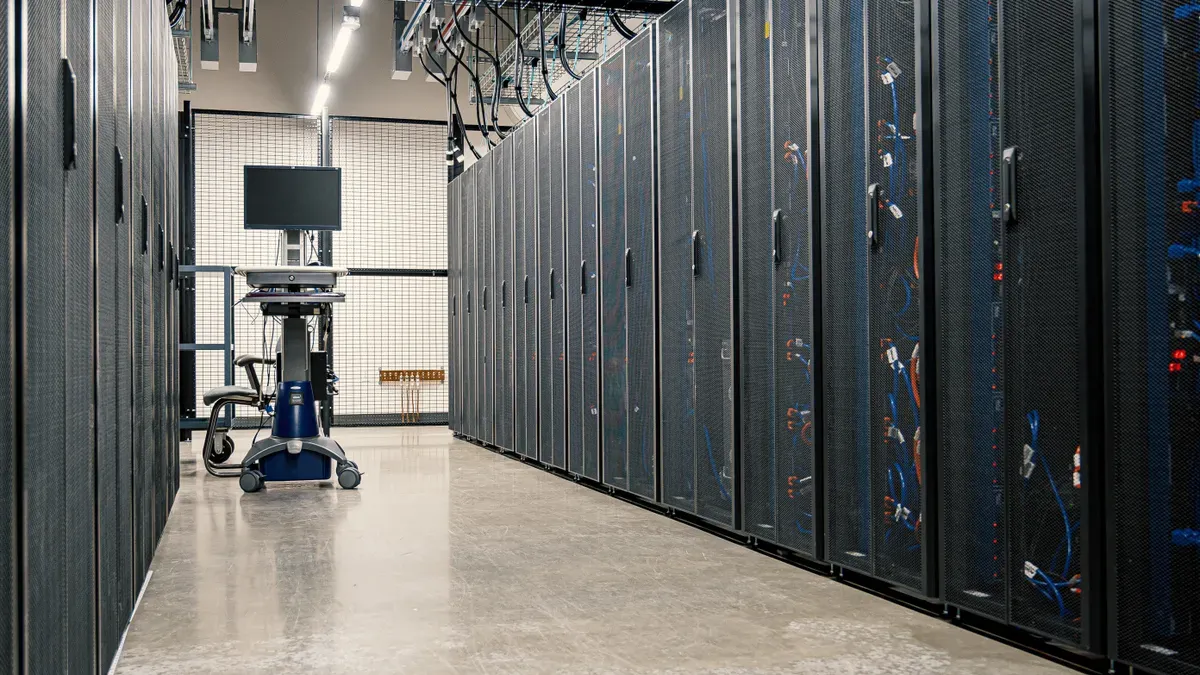
You want your workspace to change when needed. Low profile access floors let you change your office easily. You can move desks or add new equipment. You do not need to break walls or ceilings. The panels are modular and simple to use. You just lift a panel to reach cables. You can add, remove, or move wires fast. This system works well for cable management. It fits open-plan offices, call centers, and tech spaces.
You can adjust to new technology or team changes fast.
You do not need to stop work for a long time.
You can keep your space neat and ready for anything.
Low profile access floors help you manage cables in modern offices. You get a special space for your cable system. This helps you stay organized and ready for changes.
Easy Installation and Maintenance
You do not need special tools or lots of training to install low profile access floors. Many people watch a pro install it once and then do it themselves. The panels are light and easy to move. You can finish the job faster than with other raised floors. The materials cost less because makers use recycled materials.
You can install the system quickly and save money on labor.
You can move carpet tiles and reach cables for repairs.
You do not need to close the whole office for maintenance.
Low profile access floors make cable management easy. You can put cables, power lines, and network wires under the floor. This keeps your workspace neat and lowers trip risks. Maintenance teams only need to access the area they work on. This makes repairs and troubleshooting faster. You get easy installation and changes, which saves time and money.
Tip: With low profile access floors, you can move cables by just shifting a carpet tile. You do not need to cut walls or ceilings.
Safety and Cable Protection
You want your cables to last and your office to be safe. Low profile access floors keep cables safe from damage, dust, and spills. The panels protect wires from feet and rolling chairs. You lower the risk of accidents and keep your workspace safe.
Here is how low profile access floors meet safety rules in commercial buildings:
Standard | Description |
|---|---|
Load Capacity | Handles heavy loads up to 2,000 pounds. Good for big office equipment. |
EN 12825 Classification | Has a load class above 8 kN (about 1,800 lbs) with strict safety rules. |
Fire Safety | Gets Class A flame spread ratings per ASTM E84 for low fire risk. |
ZIli’s Computer ROOM Equipment uses a calcium sulphate core and steel cover. These features give high load strength, fire safety, and long-lasting use. You can trust your cable system to protect your investment and meet building codes.
Clean Aesthetics
You want your office to look neat and modern. Low profile access floors hide cables and keep surfaces clear. You do not see messy wires or big trunking on walls. The under-floor cable system keeps everything hidden. You get a smooth, professional look that impresses visitors and makes cleaning easier.
You can keep your design simple and nice.
You do not have to worry about dust on exposed cables.
You can enjoy a workspace that feels open and tidy.
Low profile access floors give you better cable management and a workspace that helps you work well. You get all the benefits of a modern cable system without losing headroom or style.
Low Profile Access Floor vs. Traditional Cable Management
Surface Trunking and Ceiling Trays
You might see surface trunking and ceiling trays in old buildings. These systems put cables on walls or above your head. They look easy, but they can make rooms feel crowded. Cleaning around them is hard. If you want to move a desk or add equipment, you must open covers or use a ladder. This takes time and can stop your work.
Low profile access floors are a better choice. Cables stay hidden under your feet. You just lift a panel to reach them fast. You do not need special tools or extra help. This system is easy to set up and change. You can move things around without making a mess.
Here is a quick chart to show the differences:
System Type | Flexibility for Future Changes | Installation Complexity | Maintenance Ease |
|---|---|---|---|
Low Profile Access Floors | High | Easy | Easy |
Surface Trunking | Low | Moderate | Moderate |
Ceiling Trays | Moderate | Complex | Moderate |
Low profile access floors help keep your space neat and ready for changes. You get better cable management and a modern look.
Full-Height Raised Floors
Full-height raised floors make a deep space under the floor. You can run many cables, pipes, and air systems there. These floors are good for data centers and big control rooms. But they use a lot of headroom. You may need ramps at doors. In new offices, you want high ceilings and open space.
Low profile access floors use less than 3 inches of height. You do not lose much space. You can use them in old buildings or rooms with low ceilings. ZIli’s Computer ROOM Equipment gives you strong panels and safe support, even with a shallow floor.
Floor Type | Height Range | Best Use Cases |
|---|---|---|
Low-profile raised floor | Under 3 inches | Old buildings, simple cable jobs |
Standard raised floor | 6 to 12 inches | General use, moderate cable management |
Full-height raised floor | 24 inches or more | Large pipes, significant airflow |
You can see low profile access floors fit where other systems do not.
Cost and Lifecycle Value
You want a system that saves money over time. Low profile access floors cost less to put in than full-height floors. You do not need to close your office for long. You can reach cables fast, so repairs and upgrades are quick. You also avoid safety risks from working on ladders.
Here is how low profile access floors compare to overhead cabling:
Feature | Raised Access Floor | Overhead Cabling (Cable Trays) |
|---|---|---|
Initial Cost (CapEx) | High | Low to Moderate |
Installation Time | Moderate | Fast |
Maintenance Speed | Very Fast (Pop a tile) | Slow (Requires ladders/lifts) |
Aesthetics | Clean, hidden infrastructure | Visible trays (Industrial look) |
Safety Risks | Minimal (Ground level work) | Moderate (Working at heights) |
Flexibility | Excellent for modular spaces | Limited rigid structure |
Low profile access floors give you more choices for office design. You get a cable system that grows with your needs. ZIli’s products have strong panels, fire safety, and last a long time. You can trust this system for modern offices that need easy setup and changes.
Applications and Use Cases
Low profile access floors are useful in many places. You can use them in offices, tech spaces, and control rooms. These floors help you fix cable problems. They also keep your space safe and neat.
Office Renovations and Retrofits
It is hard to update old buildings or change how you use a room. Low profile access floors are good for these jobs. You can put them in:
Old office buildings
Emergency operation centers
Classrooms
Courtrooms
Call centers
Homes turned into offices
Warehouses turned into offices
You do not have to break walls or ceilings. You can keep the old building and still get a new cable system. ZIli gives custom choices like different materials, panel colors, and extra features. This makes every project special and fits what you need.
Technology-Driven Workspaces
Modern offices need cable systems that can change. Low profile access floors help you handle power, data, and AV cables. You can move or add cables when your tech changes. These floors help save energy by sending air where it is needed. You get a clean look because cables are hidden. This lowers tripping risks and keeps your space safe.
Tip: You can use smart systems to watch and manage cables under the floor. This makes upgrades and repairs much easier.
Equipment and Control Rooms
Equipment and control rooms have lots of cables and need good planning. Low profile access floors help you keep cables neat and out of the way. You can:
Route cables for a tidy workspace
Lower tripping risks
Reach cables fast for repairs or changes
Help air move to cool equipment
Keep ceiling height for more space
You get more flexibility and spend less money than with regular raised floors. ZIli can make the floor fit your equipment, so your control room is safer and works better.
You get more choices, safety, and good value with low profile access floors. These systems work in many places and are simple to put in. Here are the top reasons people like them:
Reason | Benefit |
|---|---|
Adaptability | Works in offices, data centers, and stores |
Easy Installation | Fast to set up and reach cables |
Aesthetics | Looks neat because wires are hidden |
Sustainability | Good for the planet and easy to change |
Pick a company you can trust, like ZIli. Make sure they know a lot and follow world rules. Ask for help and special plans for your project.
FAQ
What is the minimum height for a low profile access floor?
You can achieve a finished floor height as low as 40 mm (about 1.58 inches) with modern systems. This keeps your ceiling high and your space open.
Can low profile access floors handle heavy office equipment?
Yes. These floors support heavy loads like filing cabinets and rolling chairs. Always check the load rating before you install to match your needs.
How do you access cables for repairs or upgrades?
You simply lift a floor panel to reach the cables below. This makes repairs and upgrades quick and easy. You do not need to cut walls or ceilings.
Are low profile access floors safe for fire protection?
Note: Many systems, like ZIli’s, use non-combustible materials and meet Class A fire ratings. This helps you meet building codes and keeps your workspace safe.