






How to Select the Best Anti Static Floor for Your Facility in 2025
 Sep 30, 2025|
 View:197
You want to pick the best anti static floors for your building in 2025. First, look at places where static electricity might cause trouble. Every year, around 280 industrial accidentsin the US happen because of static electricity. You should check your work area, compare finishes for anti-static strength, see how well they last, and think about how much upkeep will cost. Talk to experts for help so you can stay safe and make a good choice.
Key Takeaways
Find areas in your building where static can be a problem. Pay attention to places with electronics, like server rooms. This helps you keep these spaces safe.
Think about the dangers of electrostatic discharge in your work. Look at things like how many people walk there and the room’s conditions. This helps you pick the best flooring.
Learn about the types of anti-static flooring you can use. Each kind, like vinyl, epoxy, carpet tile, and rubber, has good and bad points for different places.
Make sure the flooring you pick follows the rules for ESD safety. Always ask for proof that it meets safety standards.
Plan to check and clean your anti-static floors often. This keeps them working well and helps them last longer, which saves you money.
Facility Needs

Sensitive Areas
Start by finding places where static electricity can be a problem. Look for rooms with computers or other electronics. These spaces need extra protection. Even a tiny spark can break devices or stop work. If you have a server room, anti static flooring for server room keeps your data safe. It also helps your systems work well. Walk through your building and list all areas with delicate machines. Ask your team if they had problems with static shocks or broken equipment before.
Tip: Write down each area and what equipment is inside. This helps you pick the right anti static floors.
ESD Risks
Electrostatic discharge (ESD) can hurt your facility in many ways. Think about how static electricity could affect your work. Some jobs, like electronics or healthcare, have bigger risks. If you use chemicals or flammable stuff, ESD can start fires. Lots of people walking around makes static build up faster. Use this checklist to help you look at your risks:
Foot traffic levels
Regulations and guidelines
Environmental considerations (temperature, humidity, chemicals)
You can talk to experts who know about ESD risks. They help you pick the best anti static flooring for your needs.
Environment Factors
Your building’s environment changes how anti static floors work. Check if your building has high humidity or big temperature changes. Spills from chemicals or water can hurt some floors. Places with heavy equipment or lots of people need stronger floors. Here is a table that shows how different things affect costs and durability:
| Factor | Impact on Costs |
|---|---|
| Initial Installation Costs | Higher for high-performance anti-static flooring |
| Maintenance Costs | Reduced over time with durable flooring |
| Long-term Durability | Thicker flooring cuts future repair needs |
You should ask flooring specialists for advice. They help you find the best anti static flooring for your building.
Types of Anti Static Floors

When you pick anti static floors, you need to know the main types. Each type works best in certain places. They protect against static electricity in different ways. You should check how each floor handles electrical resistance. Also, see if it lasts long and how much it costs.
Vinyl
Vinyl is a common anti static floor. You see it in server rooms and labs. It comes in conductive and static-dissipative styles. Conductive vinyl tile and static-dissipative vinyl tile are good for busy areas. These tiles do not wear out fast. They are easy to clean.
| Type of Flooring | Electrical Resistance Characteristics |
|---|---|
| Conductive Flooring | Rv < 1 × 10^6 Ω |
| Dissipative Flooring | Up to nearly 1 × 10^9 Ω |
| Antistatic Flooring | Prevents charge generation > 2 kV |
Vinyl flooring has some good points:
It is waterproof and simple to clean.
It looks nice in modern buildings.
You can install it easily.
But there are some problems:
Vinyl may peel off if not put down right.
Chemical spills can harm the surface.
Some vinyl floors let out bad gases.
Vinyl is best for places with lots of people. It is also good where cleaning is important. You often see it in data centers and electronics areas.
Epoxy
Epoxy anti static floors give strong protection. They look smooth and clean. You find epoxy in factories and labs. Epoxy does not get damaged by chemicals or heavy things. It looks modern.
| Flooring Type | Cost per Square Foot |
|---|---|
| ESD Epoxy | <$2.00 |
Epoxy flooring has these good points:
It sticks well and does not wear out fast.
It stops germs and is easy to clean.
It holds up heavy machines.
You need experts to put in epoxy floors. Some epoxy paints are not good for the environment. Epoxy is great for tough places and where spills happen.
Tip: Epoxy anti static floors last longer in places with big machines and lots of cleaning.
Carpet Tile
Carpet tile feels soft and quiet. You see ESD carpet in offices and control rooms. Carpet tile comes in many types. You can pick the one you need.
Pros:
It makes rooms quiet.
It is comfy for workers.
There are many colors and styles.
Cons:
It costs more at first.
It does not last as long.
It is not good for busy or heavy areas.
Carpet tile is best for quiet and comfy spaces. It does not work well in busy places or with heavy things.
Rubber
Rubber anti static floors are tough and not slippery. You see rubber in hospitals, labs, and busy halls. Rubber does not get ruined by spills or lots of use.
Benefits:
It works well in wet places.
It does not get hurt by chemicals or stains.
It is easy to take care of.
Drawbacks:
There are not many designs.
It can cost more than vinyl or epoxy.
Rubber is good for places where safety matters. You see it in hospitals, clean rooms, and busy hallways.
Note: New rubber floors use recycled stuff, so they are better for the planet.
Comparing Flooring Types
Here is a table to help you compare anti static floors:
| Flooring Type | Advantages | Disadvantages |
|---|---|---|
| Vinyl Flooring | Antistatic, waterproof, easy to clean, high aesthetics, easy to install | Can peel off, chemical corrosion, hard to repair, may release toxic gas |
| Epoxy | Antistatic, smooth finish, antibacterial, high adhesion, chemical resistance | Needs skilled installation, some types not eco-friendly |
| Carpet Tile | Sound dampening, comfortable, many styles | High cost, short service life, not for heavy traffic |
| Rubber | Durable, slip-resistant, eco-friendly, easy to maintain | Limited design, higher cost |
Suitability for Different Environments
You should match anti static floors to your building’s needs. Vinyl and rubber are good for busy places. Epoxy works well in tough and wet spots. Carpet tile is best for quiet offices.
For server rooms and data centers, pick vinyl or epoxy for best static control.
For labs and hospitals, rubber is safe and easy to clean.
For offices, carpet tile is comfy and quiet.
New ideas include smart floors with sensors, self-fixing materials, and green choices like recycled rubber. These features help keep your building safe and modern.
Application Match
Manufacturing
If you work in manufacturing, static electricity is a big risk. Machines and people move all day long. Sparks can break electronics or start fires. You need anti static floors with strong conductive power. These floors help you follow ESD footwear rules. They keep resistance low. Pick floors that can handle chemicals and heavy things. You want a tough surface that keeps your team safe.
| Facility Type | Risk Level | Flooring Type | Key Considerations |
|---|---|---|---|
| Manufacturing | High | Conductive Flooring | ESD footwear, low resistance, durability |
Tip: Choose floors that do not stain or get hurt by chemicals. This saves money on repairs.
Data Centers
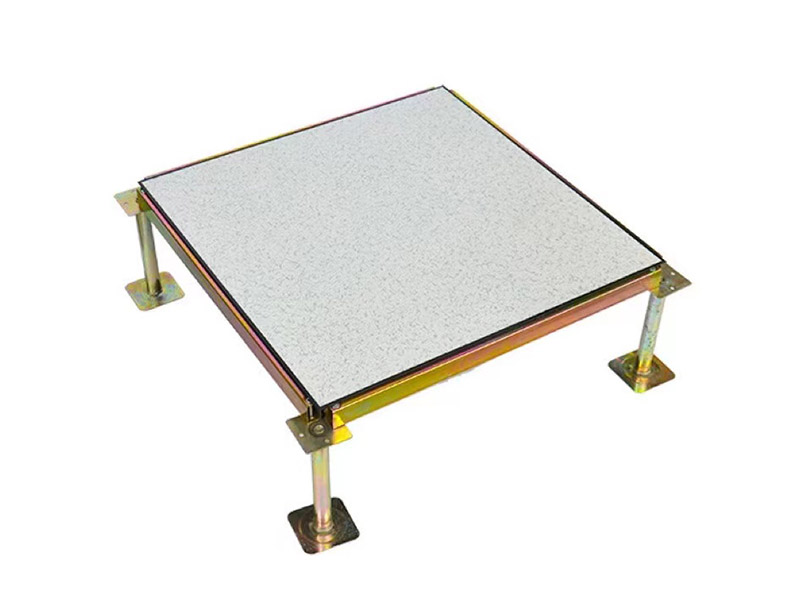
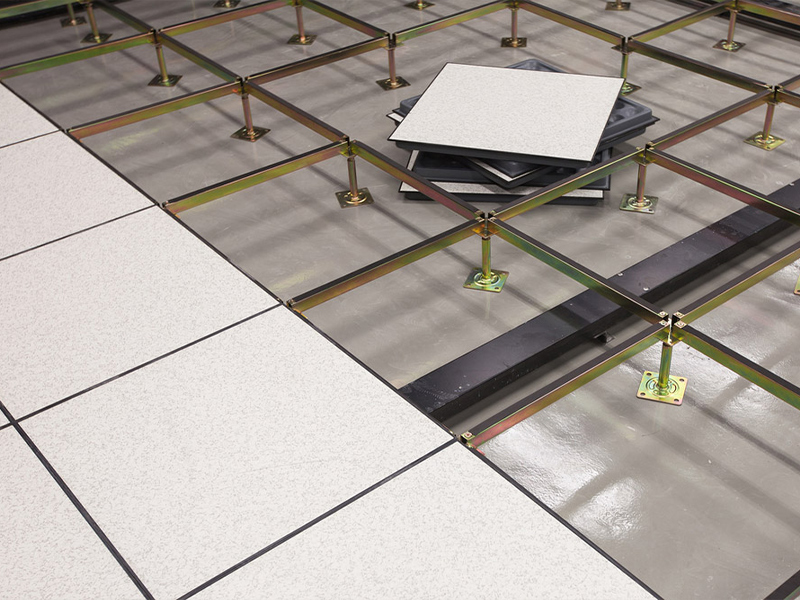
If you run a data center, you must protect your equipment from static. Anti static floors help control static and keep servers safe. Raised access floors let you reach cables and cool the room. You need static-dissipative floors that do not make charges. These floors are easy to clean and help your systems work well.
Anti-static raised floors control static and let you reach cables.
They help cool servers by letting air move better.
You keep your equipment safe from ESD problems.
"Putting in anti-static floors stops static build-up. It gives a path for electrostatic discharge to go into the ground. This can savethousands or millions of dollars in equipment damage."
Labs
If you work in a lab, you need a space with no static. Static can mess up experiments or break devices. ESD rubber or carpet tile works well in labs. You must follow cleanroom rules and keep the area safe. Floors should not get ruined by chemicals or stains. You want surfaces that last and meet strict standards.
ESD works differently in each lab.
Cleanroom rules are very important.
Chemical resistance keeps labs safe.
Healthcare
If you manage a healthcare place, you must keep patients safe. Anti static floors help you follow rules likeISO 14644, ANSI/ESD S20.20, GMP, and FDA. These rules stop static and keep rooms clean. You need floors that do not stain or get hurt by chemicals. Strong floors are easy to clean and last a long time. You keep patients and workers safe.
| Facility Type | Risk Level | Flooring Type | Key Considerations |
|---|---|---|---|
| Healthcare Facilities | Low to Moderate | Anti Static Flooring | GMP, FDA, cleanroom standards, safety |
Cleanroom rules matter in healthcare.
Chemical resistance keeps everyone safe.
Tough floors last longer and protect people.
Note: Always pick anti static floors that fit your building’s needs. This keeps your place safe and helps you follow the rules.
Standards & Compliance
ESD Standards
You have to make sure your anti static floors follow strict rules. Two main standards help you:ANSI/ESD S20.20 and IEC 61340-5-1. These rules protect your equipment and people from static electricity. You need to check if your flooring has the right resistance to ground. It should not let charges build up.
Tip: Always ask your supplier for proof that their flooring follows these standards.
Here are the main things anti static floors must do:
System resistance must be less than 1.0 x 10^9 ohms.
Charge generation should stay under 100 volts with ESD footwear.
Flooring must pass regular resistance tests.
| Standard | Requirement | Testing Method |
|---|---|---|
| ANSI/ESD STM97.1 | System Resistance < 1.0 x 10^9 Ω | N/A |
| ANSI/ESD STM97.2 | Peak Voltage < 100 volts | N/A |
| ESD TR53 | Point to Ground Resistance < 1.0 x 10^9 Ω | N/A |
Certification
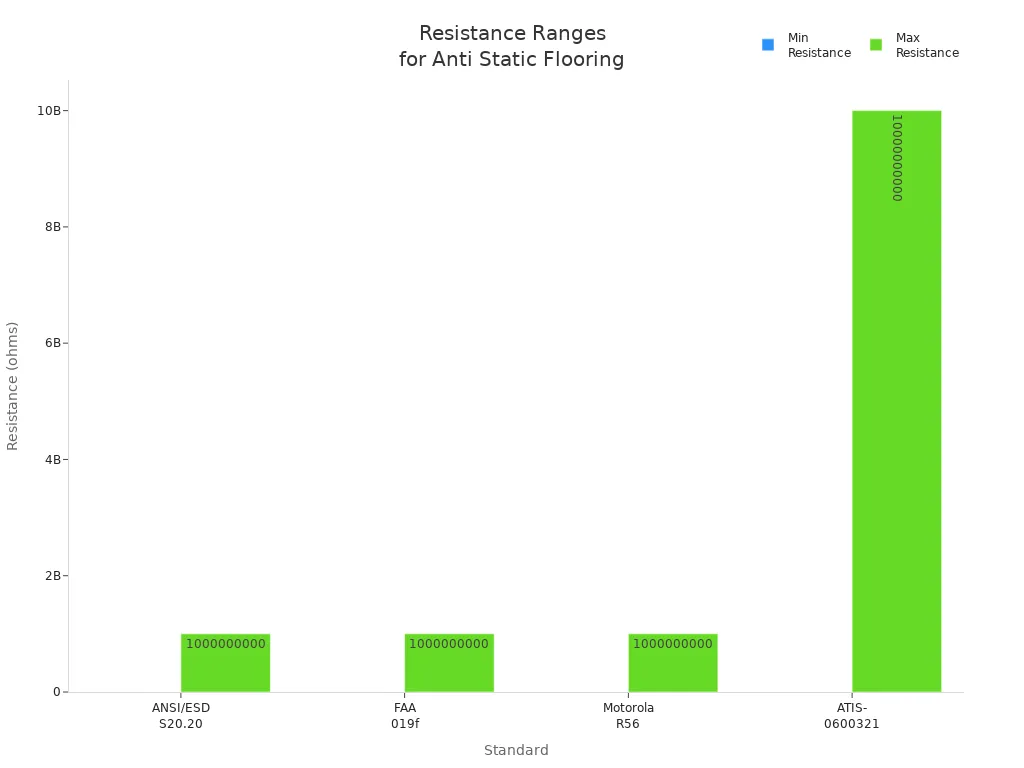
You need the right certification to show your floors are safe. Ask for papers that prove your anti static floors passed all tests. These papers should list the standards, test results, and resistance values. You can use this table to see the resistance ranges for different standards:
| Standard | Resistance Range (ohms) |
|---|---|
| ANSI/ESD S20.20 | < 10^9 |
| FAA 019f | 10^6 to 10^9 |
| Motorola R56 | 10^6 to 10^9 |
| ATIS-0600321 | 10^6 to 10^10 |
| DOD 4145.26-M | Conductive surfaces |
| UFGS--09 62 38 | Various specifications |
Note: Certification helps you pass audits and keeps your building safe.
Ongoing Testing
You must test your anti static floors often to keep them working well. Regular checks help you find problems early. Most experts say to test every quarter. You should also check ground connections every week. Here is a simple table to help you:
| ESD Material/Equipment | Resistance Range (Ω) | Testing Frequency |
|---|---|---|
| Flooring and mats | 2.5E4 to 1.0E6 (Conductive) | Quarterly |
| 1.0E6 to 1.0E9 (Dissipative) | Quarterly | |
| Check ground continuity | Weekly |
Block Quote: "It is very important to make sure anti-static flooring follows strict safety standards, like ANSI/ESD S20.20 and STM 7.1, to protect equipment and people from static and ESD risks."
You keep your building safe when you follow these standards, get certified, and test your floors often.
Mistakes to Avoid
Overlooking Needs
Some people think any anti static floor will work. But missing small details can cause big problems. Many forget to check if their ESD footwear matches the floor. If shoes and floors do not work together, static can build up. This can break your equipment. Some places use regular mats instead of conductive ones. Regular mats do not stop static. Cleaning products are important too. The wrong cleaner can leave stuff behind. This stops your anti static floor from working right. You should always use ESD-safe cleaning products.
| Mistake | Description |
|---|---|
| Ignoring Footwear and Flooring Compatibility | ESD footwear and conductive flooring must work together to dissipate static effectively. |
| Using Incorrect Cleaning Products | Non-ESD-safe cleaning products can leave residues that interfere with ESD protection. |
| Failing to Conduct Regular ESD Audits | Regular audits are essential to identify and fix ESD control issues before they escalate. |
Tip: Make a checklist for your anti static floor needs. Go over it with your team before you decide.
Poor Installation
Anti static floors need to be put in the right way. If grounding is not done right, static will not go away safely. Picking the wrong materials can make your anti static floor fail. Small mistakes during setup can ruin the whole system. You should always hire skilled installers who know how to do anti static floors.
| Key Aspect | Impact of Poor Installation |
|---|---|
| Grounding | Inadequate grounding can prevent effective static dissipation. |
| Material Selection | Wrong materials can lead to failure in static control. |
| Attention to Detail | Oversights can compromise the entire ESD system's performance. |
Block Quote: "One mistake during installation can make your anti static floor useless and put your equipment in danger."
Ignoring Maintenance
You have to take care of your anti static floors. If you skip cleaning or testing, the floors stop protecting your equipment.Damage gets worse over time and repairs cost more. You might need to replace the floor sooner than you thought. This costs even more money. Unplanned downtime can hurt your business.
Floors protect electronics less if not cared for
Repair costs go up as damage gets worse
Equipment can get damaged
You may need to replace floors early
Damage gets worse and repairs cost more
Downtime can hurt your business and profits
Note: Make a plan to take care of your anti static floors. Regular checks and cleaning help you avoid expensive mistakes.
Selection & Installation
Picking and putting in anti static floors needs good planning. You want your building to be safe and follow all the rules. Use these steps to get the best results.
Stakeholder Input
You should ask everyone who uses or takes care of the space. Each person has different ideas and needs. Facility managers, IT workers, and security teams all care about the floor. You can get their thoughts with talks, surveys, or group meetings.
| Insight | Example | Action |
|---|---|---|
| Stakeholders have different backgrounds and needs. | In a security job, stakeholders might be facility managers, IT staff, security officers, and users. | Do interviews, surveys, and group meetings to learn what matters most. |
| Involving stakeholders gives you helpful ideas. | Ask people from buying, IT, and security teams when picking a security company. | Hold group meetings or focus groups to make choices together. |
Tip: Ask your team if they have had static electricity problems. Their answers help you choose the right anti static floors.
Sample Testing
Before you put in new floors, test some samples. You want to see how each type works in your building.Try these tests to check if the floor is safe and strong:
| Testing Method | Description |
|---|---|
| Resistance Testing | Checks how well the floor moves static away. |
| Body Voltage Generation Test | Measures static from people walking on the floor. |
| System Resistance Testing | Looks at the whole floor, shoes, and person for ESD control. |
| Charge Decay Testing | Times how fast the floor gets rid of static. |
| Slip Resistance Testing | Makes sure the floor is safe to walk on. |
| Chemical Resistance Testing | Checks if the floor can handle chemical spills. |
| Wear Resistance Testing | Sees how well the floor lasts with lots of use. |
Block Quote: "Testing samples helps you pick the best anti static flooring for server rooms, labs, or busy places before you spend money."
Installation Plan
You need a clear plan to put in anti static floors.Follow these steps to stop problems:
Site Verification: Check the floor base. Make sure it is clean, flat, and ready.
Material Inspection: Look at all flooring pieces. Do not use anything broken.
Surface Preparation: Clean and smooth the base. Take away dust, dirt, and old glue.
Installation Method: Use the right glue. Line up tiles or sheets. Do not use thin strips that can peel.
Cleaning: Remove covers and trash. Clean the new floor as the maker says.
| Common Problems | Symptoms | Causes | Preventative Measures |
|---|---|---|---|
| Substrate Swelling and Deformation | Floor panels bulge or have gaps | Wet base grows bigger | Use bases that do not soak up water, like calcium sulfate or steel-wrapped boards. |
| Failure of antistatic performance | Surface resistivity changes | Conductive layer rusts or comes off | Pick waterproof and antistatic coatings. |
| Failure of edge sealing | Edge banding gets soft or peels | Edge glue stops working | Use better edge treatment like hot-melt welding. |
| Rust on brackets | Rust spots show up | Wetness makes rust faster | Use brackets that do not rust. |
| Mold growth | Mold shows up on the floor | Wetness helps mold grow | Keep the air dry and check often. |
Note: Always use skilled workers to install. They know how to stop mistakes and keep your anti static floors working.
Post-Install Checks
After the floor is in, you need to check it works right. Do these things:
Take away wood, plastic, or cardboard. These can cause static problems.
Keep the air at about 50% humidity. This helps stop static and keeps things safe.
Set up regular cleaning and checks. This stops dust and static from building up.
Tip: Test the floor’s resistance and grounding after it is put in. Fix any problems right away.
Maintenance Setup
You want your anti static floors to last a long time.Make a plan to keep them working well.
Clean the floor often. This keeps it safe and strong.
Do not use harsh cleaners or strippers. These can hurt the floor’s static control.
Wait at least five days before wet cleaning or using a machine after putting in the floor.
Use safety signs when the floor is wet.
Mop with the right cleaner every day.
Use special floor polish, like Armstrong Flooring S-392 SDT, for extra protection.
Block Quote: "Taking care of your anti static floors keeps them working and protects your equipment from static damage."
If you follow these steps, your building will stay safe and work well. You will not waste money on repairs and your anti static floors will last for years.
You can pick anti static floors by using these steps. First, look at what your building needs and what risks you have. Next, compare the different floor types and see which fits your space. Make sure the floor follows all safety rules. Plan to have experts put in the floor and keep it clean and checked often.
A solution that meets standards keeps your equipment safe. It also helps everyone stay safe at work. The table below shows the main benefits:
| Benefit | Description |
|---|---|
| Compliance with Industry Standards | Follows rules and keeps your building safe. |
| Workplace Safety | Stops static shocks and lowers dangers. |
Ask experts for help and pick a trusted company like Zili for good results.
FAQ
What is anti static flooring and why do you need it?
Anti static flooring stops static electricity from building up. You need it to protect electronics, lower fire risks, and keep your workplace safe. You use anti static floors in places like server rooms, labs, and factories.
How do you test if your anti static floors work?
You can use a resistance meter to check the floor. Test the floor’s resistance to ground. If the reading matches safety standards, your anti static flooring works well.
Tip: Test your anti static flooring every three months for best results.
Can you install anti static flooring for server room by yourself?
You should not install anti static flooring for server room by yourself. Skilled installers know how to ground the floor and follow safety rules. This keeps your equipment safe from static damage.
How do you clean and maintain anti static floors?
Sweep or mop the floor every day.
Use only ESD-safe cleaners.
Avoid wax or harsh chemicals.
| Task | Frequency |
|---|---|
| Sweep/Mop | Daily |
| ESD Testing | Quarterly |
| Deep Cleaning | As needed |
Note: Regular care helps your anti static floors last longer and work better.







Recent News
1.what is anti static flooring?
2024-08-072.The Benefits of Anti Static False Flooring for Modern Workspaces
2024-09-093.how does anti static flooring work
2025-05-274.What flooring is anti-static?
2024-12-135.Where is Anti-Static Flooring Required?
2025-07-306.How to choose the right anti-static flooring for a server room?
2024-01-04