






What is the Difference Between a Floating Floor and a Raised Floor?
 Aug 06, 2025|
 View:253
In the construction and renovation industry, "floating floor" and "raised floor" are often confused. Yet raised floor systems (especially raised metal flooring) fundamentally differ from floating floors in structure, functionality, and application. As a professional raised floor supplier, ZIli clarifies these distinctions.
1. Core Concepts and Functional Differences
Floating Floor: A Non-Fixed Surface System
A floating floor does not truly "float" but refers to a surface layer not directly fixed to the subfloor. Over 90% of European floors use this method: specialized underlayment is laid, and floor units (e.g., engineered wood, laminate) connect via click-lock or adhesive, forming a "floating" layer. This system preserves the structural slab, requires no drilling or fixing, and offers quick installation, moisture resistance, and reusability.
Raised Floor: An Elevated Structural Platform
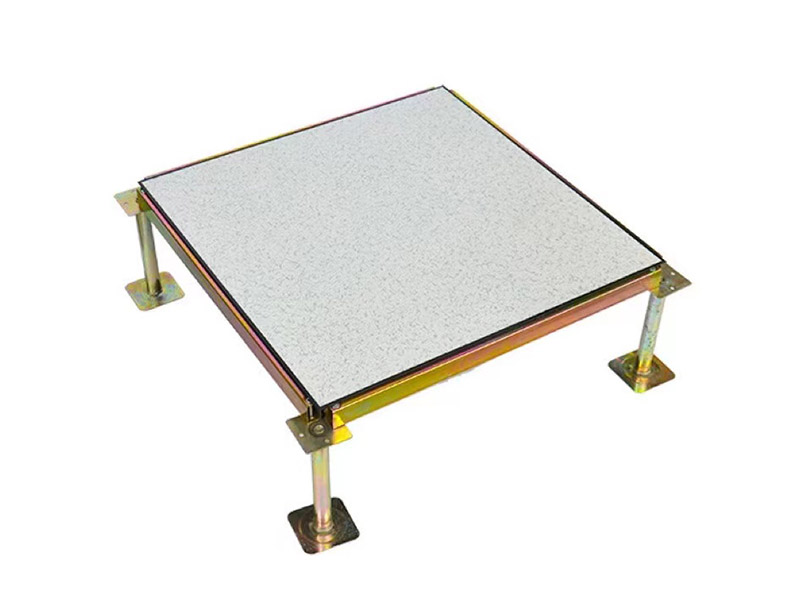
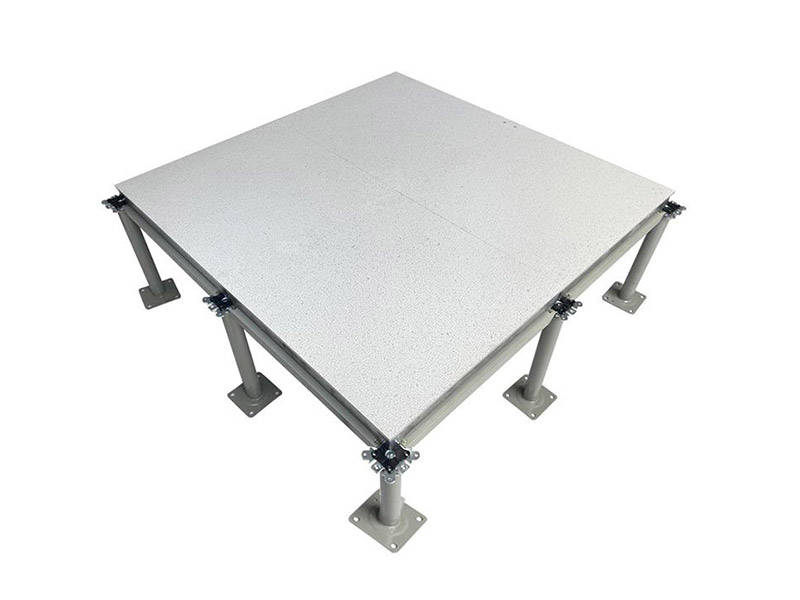
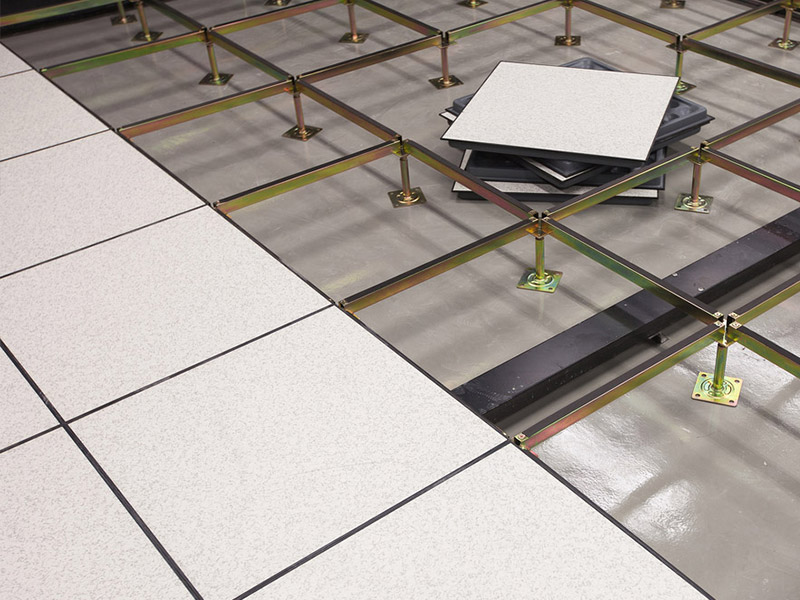
Raised metal flooring creates a fully elevated platform supported by adjustable metal pedestals, topped with steel or aluminum panels. A 25cm–1.2m cavity beneath houses cables, HVAC ducts, or data center cooling systems. Unlike floating floors focused on surface installation, raised floor systems deliver multifunctional interstitial space.
2. Structure and Material Comparison
① Installation and Substructure
Floating Floor:
Directly laid on a leveled subfloor with flexible underlayment (e.g., polypropylene tiles or foam padding).
No structural support needed; only requires subfloor flatness and moisture control.
Raised Metal Flooring:
Steel/aluminum pedestals + stringers form a grid, topped with panels (standard: 600×600mm).
Requires precise leveling; load capacity exceeds 1,200kg/m² for heavy equipment.
② Materials and Performance
Floating Floor:
Wood/laminate: Relies on tongue-and-groove joints for stability.
Elastic plastics (e.g., PP): UV-resistant for outdoor courts.
Raised Metal Flooring:
Galvanized steel or aluminum framework (fireproof/corrosion-resistant).
Panels feature conductive PVC/HPL laminates for static control in data centers.

3. Application Scenarios
When to Choose Floating Floor
Residential/Light commercial spaces: Ideal for thin slabs (avoids drilling) and fast renovations.
Sports facilities: Modular tiles absorb impact, protecting athletes.
Budget-sensitive projects: Lower material/installation costs vs. raised floor systems.
Where Raised Metal Flooring Is Essential
Data centers/control rooms: Conceals cables + dissipates static + integrates cooling.
Industrial labs/factories: Supports heavy machinery or cleanroom drainage.
Flexible offices: Enables layout changes without floor trenches.
Key Insight: Floating floors solve installation efficiency, while raised floor systems enable spatial transformation.

Conclusion: Aligning Solutions with Spatial Needs
A floating floor revolutionizes installation techniques through non-fixed surfaces. In contrast, raised floor (especially raised metal flooring) is a structural subsystem that redefines space functionality via elevation.
As a dedicated raised floor supplier, ZIli delivers tailored solutions—from anti-static data center floors to heavy-duty industrial platforms. Choose ZIli to transform spaces into adaptable, high-capacity infrastructures. We don’t just supply floors; we engineer future-ready environments.



Recent News
1.Why is the Raised Floor System Gaining Popularity in Modern Construction
2023-07-172.Is Raised Access Flooring the Solution for Your Versatile Flooring Needs
2023-07-193.What is a Steel Cementitious Raised Floor, and How Does It Work?
2023-08-024.what is anti static flooring?
2024-08-075.What Are the false flooring in server room?
2024-09-036.What is a raised access flooring system?
2025-01-10