






The differences between false floors and raised floors
 Apr 30, 2026|
 View:256
You often hear "false floor" and "raised floor" in building work. Many people mix up these names, and this makes things confusing. If you pick the wrong name, you might make mistakes or slow down your project. Using the right words helps you avoid expensive errors and makes sure your project follows global rules. Suppliers and project managers need to be careful and use the correct terms when talking about a raised floor system.
Key Takeaways
Learn how 'false floor' and 'raised floor' are not the same. This helps you avoid mistakes in your project.
Write 'raised floor' in technical papers. This makes sure you follow rules used around the world.
Pick materials and designs that fit what your project needs.
Check if your raised floor follows safety rules like CISCA or EN 12825.
Find suppliers who know about global standards. This helps your project turn out better.
False Floor vs. Raised Floor: Definitions
What Is a False Floor?
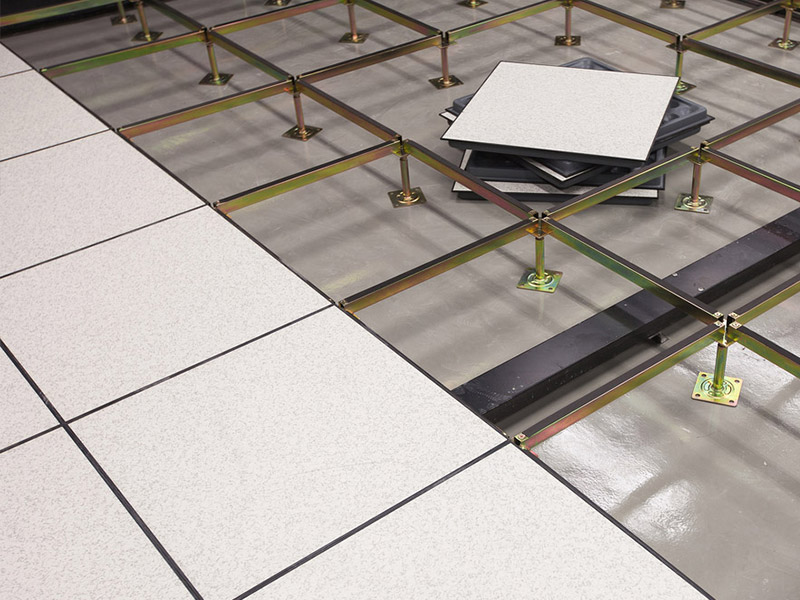
People use "false floor" in many building projects. A false floor is a system built above the main concrete floor. It creates a space that is two to four feet high. This space holds wires, cables, pipes, and air ducts. You can take out the panels to reach these things. This makes it easy to change the layout or upgrade the building.
Here are the main functions and uses of a false floor:
Function/Application | Description |
|---|---|
Create voided space | Lets you run wires, cables, and air systems under the floor. |
Flexibility | Makes it easy to change the building or fix things. |
Efficient air distribution | Helps air move better and keeps rooms cool. |
You see false floors in data centers, offices, and places that need upgrades often. You can get to cables and pipes fast, and you can change things quickly.
False floors are easy to move and take apart.
They make a space for wires and air ducts.
People use them where they need fast access and good air flow.
What Is a Raised Floor?
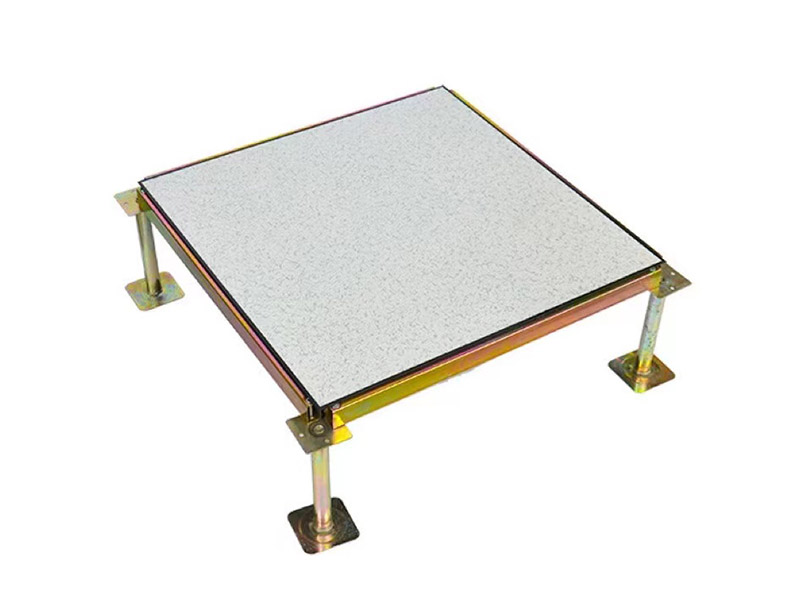
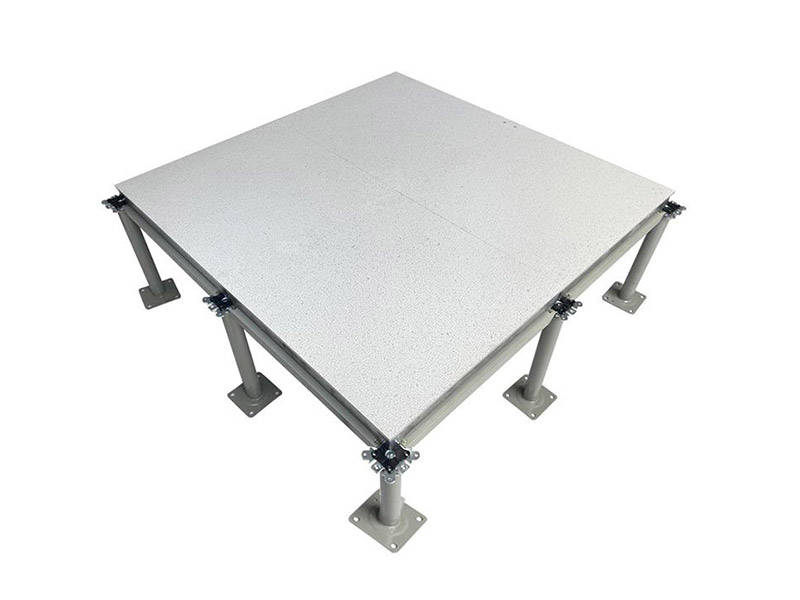
"Raised Floor" is a word you find in technical books and rules. A Raised Floor is a strong system held up by metal stands. You put panels above the main floor, making a big space for wires and air systems. This floor can hold heavy things and meets strict rules.
A Raised Floor uses steel or aluminum panels that do not burn easily. You see these floors in data centers, clean rooms, and offices that need strong and safe spaces. You pick a Raised Floor when you want something tough that follows world rules like CISCA and EN.
Key Differences in Terminology
"False floor" and "Raised Floor" sound alike, but the words matter. "False floor" is used more in British places and in daily talk. It sometimes means a floor that is not very strong or is just put on top. "Raised Floor" is the right word in technical papers and contracts. You use it when you need to be clear and follow world rules.
Here is a table that shows the main differences:
Feature | False Floor | Raised Floor |
|---|---|---|
Installation Method | Put on a flat floor with a soft layer under it | Held up by metal stands you can adjust |
Structural Support | Does not need to hold much weight | Needs to be level and can hold heavy things |
Cavity Space | Small space, just for things on the surface | Big space for wires and air systems |
Material Composition | Made of wood or laminate with special joints | Made of steel or aluminum that does not burn |
Performance | Fast to put in, does not get wet easily | Used for many things like data centers and machines |
Tip: Always use "Raised Floor" in buying papers. This shows you know the right words and helps you get the right floor. Suppliers who know these words can help you avoid mistakes and get what you need.
Using the right words can change how your project goes. When you say "Raised Floor," people know you care about rules and quality. It helps suppliers know what you want and give you the right product.
Raised Floor Structure and Materials

System Components
It is important to know the main parts of a Raised Floor system. Each part does something special. The table below lists the main parts and what they do:
Component | Description |
|---|---|
Floor Panels | This is the top part you walk on. You can pick different materials and looks for your needs. |
Pedestal System | These are the stands that hold up the floor. You can change their height to make the floor flat. |
Essential Accessories | These are things like stringers for strength, ramps for easy walking, and outlets for cables. |
When you know these parts, you can talk better with suppliers. This helps your project follow CISCA or EN rules.
Common Panel Materials
There are many panel materials you can use for your Raised Floor. Each one has its own good points. Here are some common types:
Steel cement panels: These are strong and steady. They are good for heavy things.
Calcium sulphate panels: These are light, flat, and safe if there is a fire.
Woodcore panels: These look warm and are good for offices.
Glass or ceramic panels: These are best for special rooms or clean places.
Calcium sulphate panels are very safe in fires. They follow strict world rules and help keep people and things safe.
Performance and Durability
A Raised Floor gives you many good things in important places like data centers and offices. You can keep cables neat, let air move better, and fix things fast. This helps your business keep working.
Great fire safety and strong panels.
Best for places where safety is very important.
The table below shows why these floors are good for hard jobs:
Feature | Description |
|---|---|
Fire Resistance | Can last up to 2 hours in a fire because of the calcium sulphate core. |
Durability | The strong core keeps panels flat and tough, even when it is humid. |
You should always check that your Raised Floor follows the right rules. This keeps your project safe and strong.
Installation and Standards for Raised Floor Systems

Installation Overview
When you put in a raised floor, you must follow steps. First, measure the room and mark where pedestals will go. Then, put the pedestals on the main floor and make them level. If you need more support, add stringers between the pedestals. Next, set the floor panels on top and check that they fit tight. You can add ramps, outlets, or other extras if needed. These steps help you build a safe and strong floor for your project.
Global Standards (CISCA, EN)
You need to know about world standards when picking a raised floor. Two big standards are CISCA and EN 12825. CISCA is used in North America. EN 12825 is used in Europe and other places. Both standards tell you how strong and safe your floor should be. They also talk about fire safety and how much weight the floor can hold.
Here is a table that compares the two standards:
Standard | Region | Focus Areas | Impact on Projects |
|---|---|---|---|
CISCA | North America | Load ratings, safety, performance | Ensures safety and long life |
EN 12825 | Europe | Structural integrity, durability | Keeps floors strong and reliable |
EN 13501-1 | Europe | Fire safety | Reduces fire hazards |
ESD Control | Global | Electrostatic discharge protection | Protects sensitive equipment |
Importance of Compliance
You should always check if your raised floor meets these rules. Following CISCA or EN helps you avoid safety problems and repairs. These rules make sure your floor lasts and keeps people safe. EN 12825 makes sure the floor stays strong and does not break. CISCA helps you use good materials and stay safe. EN 13501-1 gives fire safety, and ESD control keeps your equipment safe from static.
ZiLi knows a lot about these standards. The company has ISO 9001, 14001, and OHSA18001 certificates. ZiLi’s raised floors follow strict world rules. You can trust ZiLi to give you safe products for your building.
Note: Always ask your supplier about their certificates and experience with world standards. This helps you pick the best partner for your project.
Applications and Choosing the Right Raised Floor
Typical Use Cases
Raised floors are used in many buildings. They help organize cables and improve air flow. They also make spaces easy to change. Here are some places where raised floors are common:
Data centers and server rooms: These rooms need good cable management and cooling.
Modern office buildings: Raised floors make moving power and data lines simple.
Command and control centers: You can reach important cables easily.
Healthcare and laboratories: These floors help keep things clean and safe.
Financial trading floors: Raised floors handle lots of cables for screens and computers.
Libraries and computer rooms: They help with cooling and cable control.
Call centers and classrooms: You can manage many devices without trouble.
Broadcast studios: Raised floors keep audio, video, and lighting cables tidy.
Each place has special needs. Data centers care about cooling and cable access. Clean rooms need to stop dust and keep air clean.
Factors for Selection
You must think about a few things when picking a raised floor. The main use of the space is most important. Data centers need floors that help air move and cool things. Clean rooms need floors that keep dust away and air clean. Offices may want floors that are easy to change as technology grows.
Other things to think about are:
Height: Choose the right height for air and space.
Material: Pick strong materials that fit your needs. Calcium sulphate panels are good for fire safety. Cementitious panels are good if you worry about moisture.
Load capacity: Make sure the floor can hold your equipment.
Maintenance: Find floors that are easy to fix.
Budget: Think about the first cost and how much you save later.
Tip: Always pick the floor type that matches your project’s needs. This gives you the best results.
Evaluating Supplier Expertise
Picking the right supplier matters a lot. Look for suppliers who know global standards like CISCA and EN. They should use the right words and know the rules for your area. A good supplier will show certificates and explain how their products are safe and high quality.
Here is a table to compare panel types and uses:
Panel Type | Load Capacity (psf) | Fire Rating | Typical Applications |
|---|---|---|---|
Steel Core | 2,000-8,000 | Class A | Data centers, heavy equipment |
Calcium Sulfate | 1,000-3,000 | Class A | Offices, humid areas |
Aluminum | 800-2,500 | Class A | Cleanrooms, labs |
Wood Core | 1,000-2,000 | Class B | Light commercial use |
ZiLi is a company with global project experience. They offer OEM services and help you pick the right system. ZiLi meets international standards. Their knowledge helps your project succeed from start to finish.
You have learned that "false floor" and "raised floor" mean different things in building projects. Using the correct word helps you avoid problems and keeps your project moving forward. The table below explains why using clear words is important:
Evidence Description | Key Points |
|---|---|
Clear specifications eliminate ambiguity | They set clear rules and show who does what, so people do not get confused. |
Measurable requirements prevent disputes | Clear rules help stop arguments, because unclear words often cause fights. |
Coordination among teams | Clear words help everyone know their job, so teams do not get mixed up. |
If you use international standards for raised floors, you get many good things:
Your building works better
You can make changes later if needed
It is easier to take care of the building
You save money in the long run
Pick a company like ZiLi. You get local factories, expert help, and strong checks for quality. This makes sure your project goes well and lasts a long time.
FAQ
What is the main difference between a false floor and a raised floor?
"False floor" is used in everyday conversations. "Raised floor" is the correct technical word for big projects. Always write "raised floor" in buying papers. This helps you avoid mix-ups and follow world rules.
Which standards should you check for raised floor systems?
Standard | Region | Purpose |
|---|---|---|
CISCA | North America | Load and safety |
EN 12825 | Europe | Performance and strength |
You need to check CISCA or EN 12825. This keeps your floor safe and strong.
How do you choose the right supplier for raised floors?
Find suppliers with world certificates.
Ask if they know CISCA and EN rules.
Get proof they worked on global projects.
You get better results if your supplier knows the rules and words.
Why does terminology matter in procurement?
Using the right words stops mistakes and delays. Saying "raised floor" shows you know the rules. It helps suppliers give you the right product.
Can you customize raised floor systems for different projects?
You can ask for special sizes, looks, and materials. Suppliers like ZiLi can make what you need. Always tell them your needs clearly to get the best results.



Recent News
1.What are the benefits of using a hydraulic raised floor lifter?
2023-11-142.What is a Steel Cementitious Raised Floor, and How Does It Work?
2023-08-023.The Advantages of Metal Raised Floor Panels for Modern Spaces
2024-09-184.How does a perforated raised floor contribute to improved airflow and ventilation in data centers?
2023-12-055.A Complete Guide to Outdoor Raised Floor Applications
2026-01-076.What are the main benefits of using raised floor systems in data centers?
2026-04-02