





What Materials Are Used for Waterproof Raised Access Floors?
 Sep 29, 2026|
 View:6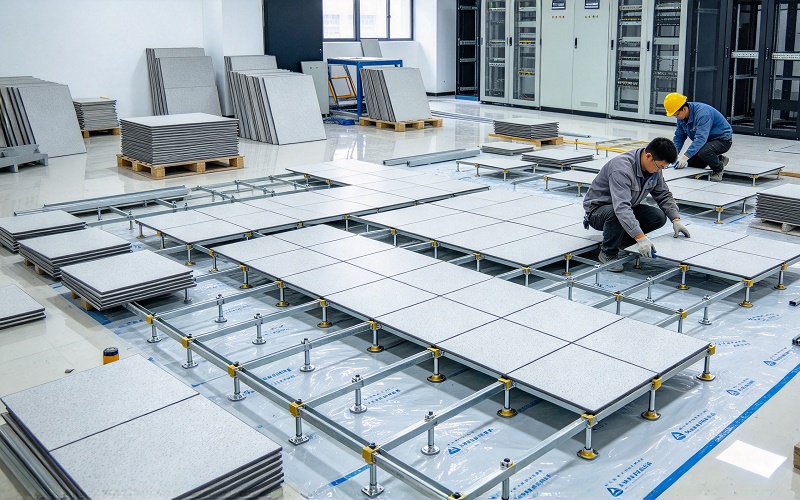
You will find five main materials in a waterproof raised access floor: concrete, steel, aluminum, calcium sulphate, and composites. Each raised floor material brings special strengths to wet environments. Concrete panels block moisture with a non-porous core. Steel or aluminum panels depend on protective coatings for water resistance. A calcium sulphate raised access floor gives you a balance of water resistance and cost. Composite panels serve special needs. You also see woodcore raised floors in some dry areas, but they need extra waterproofing. When you choose a raised floor system for a bathroom or kitchen, you must match the floor material to the moisture level. This guide explains how each material performs.
Key Takeaways
Concrete-core panels keep moisture out on their own and work best in bathrooms and kitchens.
Steel panels need epoxy or galvanized coatings to protect against water and handle heavy loads.
Calcium sulphate panels do not swell when they take in moisture, so they work well in offices and clean rooms.
Aluminum panels do not rust, so they are great for coastal areas and clean rooms.
Panels made of composite materials, such as FRP, are very resistant to water, rot, and chemicals.
Concrete-Core Panels for Waterproof Raised Access Floor
Concrete-core panels are a solid choice for a waterproof raised access floor. Manufacturers often cover these panels with steel or aluminum to make them stronger. The hardened concrete inside creates a barrier that water cannot pass through. This core material resists water on its own. You get natural moisture resistance without depending only on surface coatings.
Lightweight Concrete Fill and Moisture Resistance
The concrete fill in these panels is made from calcium silicate board, cement, EPS foam, sand, and additives. This blend provides dependable moisture resistance. The EPS core is built to resist moisture. Cement-based surfaces guard against water damage. You also get full protection against mold and mildew growth. These panels keep their strength and look in wet conditions. The surfaces are simple to clean with little upkeep. You also gain fireproofing, thermal insulation, sound insulation, and a lightweight design.
Best Uses in Bathrooms, Kitchens, and Wet Areas
You should think about concrete-core panels for bathrooms, kitchens, and basements. These spaces deal with high humidity and frequent water exposure. The panels manage these conditions well. They stop water leakage and keep their structural integrity. A raised floor system with concrete cores also helps with waterproofing and drainage planning. You lower the risk of water leakage or flooding in these areas. For any wet-area raised floor, concrete panels give you a reliable solution. They work well in commercial kitchens and restrooms too. You can count on them in any space where moisture and alkalinity levels stay high. Unlike a cement or wood core that may break down, the concrete core holds up. This makes concrete-core access floors a smart pick for moisture-prone rooms.
Steel Raised Floors with Water-Resistant Coatings
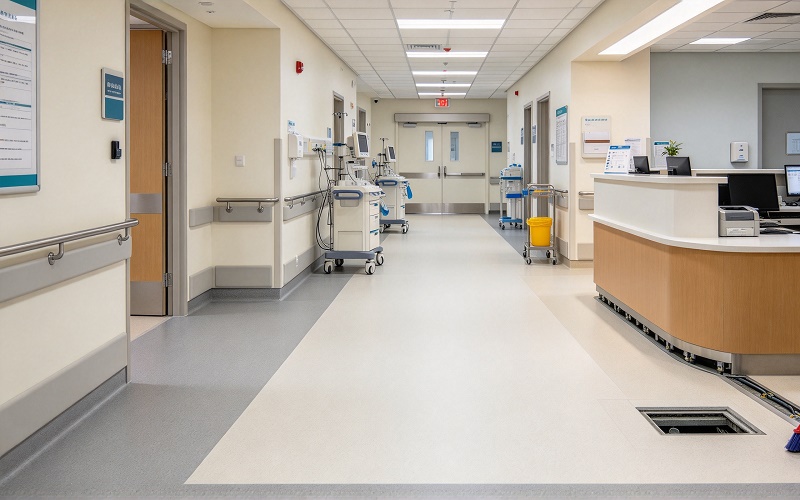
Steel panels need a protective coating to deal with moisture. Makers use epoxy anticorrosion finishes or hot-dip galvanization to make steel raised floors water-resistant. Epoxy forms a sealed barrier on the panel surface. This coating stops water from getting to the steel below. Hot-dip galvanization works in a different way. It covers the steel with a zinc layer. This layer rusts first to protect the base metal. Both methods help your raised floor system last longer in damp places.
Epoxy and Galvanization for Corrosion Protection
Epoxy coatings stick tightly to the steel surface. They resist moisture, chemicals, and wear. You get a smooth finish that is easy to clean. Galvanization gives you an extra layer of defense. The zinc coating rusts first, so the steel stays safe. This works well in humid areas or spaces with some water exposure. For waterproofing, you can use both methods together. A galvanized panel with an epoxy topcoat offers double protection. The surface also takes laminates like HPL or PVC for more durability.
Steel Raised Floors for High-Demand Settings
Steel raised floors with epoxy coatings are used in data centers, control rooms, and other busy places. The steel construction adds fire resistance and structural strength.
Calcium Sulphate Raised Access Floors
Inherent Water Resistance of Calcium Sulphate
Calcium sulphate panels fight moisture with their natural mineral core. The high-purity gypsum inside these panels deals with humidity without swelling or cracking. This shield comes from the core material itself, not from surface coatings. You get steady performance even in damp conditions.
Parameter | Calcium Sulphate (100% Natural Gypsum) |
|---|---|
Moisture Absorption Rate | Less than 1% mass gain; no deformation |
Natural calcium sulphate panels soak up very little water and do not show the swelling, core delamination, or steady structural sagging under long-term humidity that weaker materials do.
Calcium sulphate floors stay very stable in size as humidity goes up and down, taking in and letting out moisture without any measurable change in shape.
Natural calcium sulphate cores give strong moisture resistance and full protection from moisture-driven structural sagging. This comes from the high-purity natural mineral gypsum core, not from any added coatings or facings.
These traits make a calcium sulphate raised access floor a smart choice for offices and clean rooms. You avoid the rust risk that comes with steel systems. You also skip the swelling problems that trouble woodcore raised floors. A calcium sulphate raised access floor holds its shape when humidity rises and falls.
Calcium Sulphate vs. Steel vs. Woodcore Raised Floors
You should compare these three options before you buy. Each one deals with moisture in a different way. The table below shows the key differences.
Material | Moisture Resistance |
|---|---|
Calcium Sulphate | Not suitable for prolonged immersion; handles normal humidity but vulnerable to extended water exposure. |
Steel | Generally good moisture resistance. |
Woodcore | Relatively lower moisture resistance; more sensitive to humidity. |
Woodcore raised floors should not be automatically considered waterproof. Even with steel encapsulation, the wood-based core requires protection from prolonged water exposure.
Calcium sulphate panels cost more upfront than woodcore or steel options. A calcium sulphate panel runs $28 to $32 per square meter. Woodcore costs $25 to $28, and steel costs $22 to $28. Installation adds $10 to $15 per square meter. However, calcium sulphate panels last over 10 years, while steel systems last 5 to 10 years. They also resist fire better and recycle at around 80%. If you want a moisture-resistant raised floor that saves money over time, calcium sulphate works well. Just avoid it in areas with constant standing water. For a wet-area raised floor with occasional humidity, it delivers strong value.
Aluminum Access Floors for Moisture-Prone Environments
Non-Corrosive and Lightweight Properties
Aluminum naturally fights off rust. This metal resists oxidation by itself. You do not need extra coatings to stop corrosion. That makes aluminum a smart choice for a moisture-resistant raised floor in humid places. Coastal towns, basements, and server rooms all gain from this trait.
Aluminum Property | Benefit for Raised Access Floors in Moisture-Prone Environments |
|---|---|
Naturally resistant to oxidation | Will not rust like steel or other metal-based floors |
Rust-free and corrosion-resistant | Ideal for high-humidity areas such as basements, server rooms, and data centers |
Corrosion-resistant nature | Suitable where cleanliness and aesthetics are critical |
Does not deteriorate over time | Maintains appearance and functional integrity, keeping floor surfaces pristine |
Aluminum access floors also weigh much less than steel floors. You save money on shipping and installation. The lighter load puts less stress on your building structure. Steel floors are heavier because of their cement core. That weight gives them stability and less vibration. Both materials can meet the same load classes, such as 1000 lb, 1250 lb, or 1500 lb. The whole system, including pedestals and stringers, matters more than the panel material by itself.
ZiLi Aluminum Access Floor for Coastal and Cleanroom Use
ZiLi makes its Aluminum Access Floor from die-cast aluminum alloy. These panels resist rust and chemical damage without any protective paint. You avoid long-term repair needs. The aluminum construction shields the underfloor area from accidental liquid spills and high humidity. Non-magnetic properties also stop magnetic interference near sensitive computer servers.
Aluminum naturally resists corrosion, which helps reduce maintenance concerns and minimizes the particulate contamination that corroding materials can introduce into cleanroom environments. In a cleanroom, a corroding floor panel is not only a structural issue—corrosion byproducts are precisely the type of particulate contamination that cleanroom classifications are designed to prevent. Aluminum's natural resistance to this degradation removes an entire category of long-term maintenance risk.
You can choose a surface finish like PVC or HPL. The panels are also recyclable. For labs, MRI rooms, and coastal facilities, this water-resistant access floor gives reliable performance. You get a waterproof raised access floor that handles moisture without rust or decay.
Composite and Fiberglass Waterproof Panels
FRP Reinforced Panels
Fiberglass-reinforced plastic (FRP) is a strong choice for a moisture-resistant raised floor. The glass fibers are held inside a resin matrix. This setup stops water from passing through the panel. You get a material that fights rot and mold growth. FRP panels also stand up well to physical stress. The table below shows key test data for FRP composite panels.
Metric / Standard | Value / Reference | Relevance to Water Resistance |
|---|---|---|
Water Absorption | 0.17% | Very low moisture uptake, supports resistance to rot and mold |
Manufacturing Standard | ASTM D-5319 | Governs glass-fiber reinforced polyester panels |
Barcol Hardness | 40 | Surface durability supports panel integrity in wet environments |
Izod Impact Resistance | ~7.0 ft-lbs/in | Impact toughness helps maintain water resistance after stress |
The HyperWall™ System Research and Testing Report also mentions ASTM D570. This coupon-level structural test checks how much water a plastic material takes in after it is soaked. A low result means the material keeps water out. You can depend on FRP panels in places where moisture is present.
For a water-resistant access floor, FRP panels do a great job.
Every floor material has its own strengths in wet places. Concrete-core panels stop moisture the best. Steel access floors with epoxy coatings hold heavy loads in data centers. A calcium sulphate raised access floor gives you a mix of water resistance and cost savings. It handles humidity without swelling or rusting. Aluminum access floors give you corrosion-free use for many years in humid cleanrooms. Composite panels meet special needs like chemical resistance. Your pick depends on the exact wet space and load needs. A common mistake is looking only at uniform load capacity. You must also check concentrated loads from heavy equipment. Concrete works in bathrooms with direct water. Steel fits dry control rooms. Calcium sulphate raised access floors work in offices and labs. Aluminum handles coastal and MRI spaces. Match the calcium sulphate panels or other choices to your conditions for lasting performance.
FAQ
Which material works best for a wet-area raised floor?
Concrete-core panels block moisture the best. Their solid core stops water by itself. For heavy loads in damp rooms, pick steel with an epoxy coating. Aluminum works well in coastal or cleanroom spaces. Calcium sulphate handles normal humidity fine. Match the material to your moisture level and load needs.
Can a calcium sulphate raised access floor handle standing water?
No. Calcium sulphate resists normal humidity without swelling or cracking. It takes in less than 1% water by mass. But sitting in water for a long time will harm the core. Use it in offices, labs, and clean rooms where humidity goes up and down. For constant standing water, choose concrete-core panels instead.
Does an aluminum access floor rust in humid conditions?
No. Aluminum fights oxidation on its own, so it will not rust like steel. You do not need protective paint. This makes it great for basements, server rooms, and coastal buildings. ZiLi's Aluminum Access Floor also has non-magnetic properties. It works well in moist places for many years.
How do I protect a steel raised floor from moisture?
Use an epoxy anticorrosion coating or hot-dip galvanization. Epoxy seals the surface and blocks water. Galvanization adds a zinc layer that rusts first to protect the steel. You can use both for double defense. Steel raised floors with epoxy coatings are commonly used.
Are composite panels a good choice for a water-resistant access floor?
Yes, for special needs. FRP panels soak up very little water and resist rot and mold. Pick composites when you need chemical resistance or custom performance beyond standard materials.