






What flooring is used in data centers
 May 22, 2026|
 View:206
You can see different types of flooring used in data centers. Some examples are raised access flooring, vinyl, rubber, concrete, and ESD flooring. Raised access flooring is special because it helps you manage cables. It also controls airflow and lowers static electricity under your machines. Rubber stops static and lasts a long time. Vinyl is easy to put in and does not wear out fast. Concrete is cheaper but can get dusty. ESD flooring keeps important equipment safe from static shocks. Top companies like ZiLi Floor make new solutions. They use materials like steel, aluminum, and calcium sulfate to fit your needs.
Key Takeaways
Raised access flooring is very important in data centers. It keeps cables neat, helps air move, and holds heavy machines.
Vinyl and rubber flooring last a long time and stop static electricity. They are simple to clean and help stop people from slipping.
Concrete flooring does not cost much and saves energy. It needs special care to stop dust and keep it clean.
ESD flooring keeps equipment safe from static electricity. It follows strict safety rules and does not need much care.
Picking the best flooring means thinking about weight, safety, and future plans. Checking the floors often helps them last longer.
Types of Flooring Used in Data Centers
Raised Access Flooring
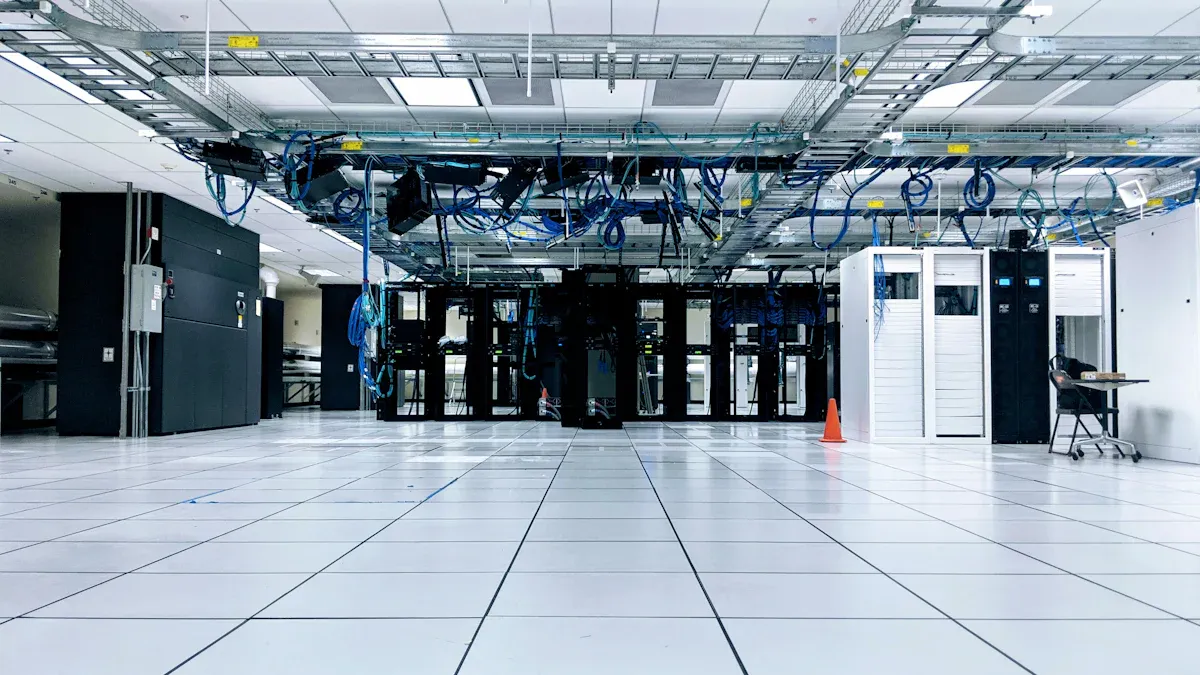
Almost every new data center uses raised access flooring. This type of floor sits above the real floor on special stands. The space under the floor helps you organize cables. It also lets you send cool air to hot spots. Raised access flooring holds heavy machines and keeps static electricity low.
ZiLi Floor sells many kinds of raised access floors. You can pick All-Steel, Anti-Static, Calcium Sulfate, Ceramic, Glass, Woodcore, or Aluminum Access Floors. Each one works best for different needs. Some are good for heavy racks. Others are better for cleanrooms.
Tip: Raised access flooring makes fixing things easier. You can move panels or change cables without stopping your work.
Here is a table that compares the main raised access floor materials:
Panel Type | Load Capacity (psf) | Fire Rating | Weight (lbs/sq ft) | Cost Range (per m²) | ESD Performance | Best Use Cases |
|---|---|---|---|---|---|---|
Steel Core | 2,000-8,000 | Class A | 8-12 | $300–500 | Excellent | Heavy equipment, server rooms |
Calcium Sulfate | 1,000-3,000 | Class A | 6-10 | $600–900 | Very Good | Offices, humid environments |
Aluminum | 800-2,500 | Class A | 4-8 | $800–1,200 | Good | Cleanrooms, labs |
Raised access flooring gives you many benefits:
You can send cool air under cabinets and hot spots.
The panels hold heavy racks and other equipment.
Cables stay neat and easy to reach.
You can change the layout when you need to.
Vinyl and Rubber Flooring
Vinyl and rubber flooring last a long time and stop static. Vinyl is simple to clean and does not cost much. It does not let water in and helps stop slips. Rubber flooring softens steps and makes less noise. It also fights off chemicals and keeps the room clean.
Material | Advantages | Disadvantages |
|---|---|---|
Vinyl | Durable, water-resistant, easy to clean, cost-effective, slip-resistant, customizable, eco-friendly | Can be slippery when wet, not as durable as epoxy, not suitable for outdoor use |
Rubber | Durable, shock absorptive, chemical resistant, noise reduction, cleanliness, comfort, ergonomics | Limited design options, may require periodic resealing |
Rubber flooring is great for stopping static. Conductive rubber tiles almost never let static get over 500 volts. You can trust rubber for ESD safety and easy care.
Vinyl flooring is strong and quick to put in.
Rubber flooring gives great static control and comfort.
Concrete Flooring
Concrete flooring is tough and lasts a long time. Precast concrete panels make building faster and cheaper. You save energy because of good insulation. Concrete lets you plan big open spaces and helps the planet.
Benefit/Use Case | Description |
|---|---|
Durability | Precast concrete is strong and resists fires, weather, and disasters. |
Speed of Construction | Factory-made panels reduce construction time and overhead costs. |
Energy Efficiency | Insulation lowers heating and cooling costs. |
Flexibility of Space Planning | Longer spans allow for larger open floor plans. |
Sustainability | Made from local aggregates, reduces waste, and is eco-friendly. |
You need to treat concrete floors to stop dust. If you do not, dust can hurt cooling and dirty your equipment. Polished concrete or ESD coatings keep the room clean and safe.
Polished concrete stops dust.
ESD epoxy coatings protect electronics.
ESD and Anti-Static Flooring
ESD and anti-static flooring keeps your equipment safe from static. These floors follow strict rules for static control. The surface is smooth and easy to clean. The flooring fights chemicals and lots of foot traffic. You do not need to wax or recoat it to keep ESD working.
Feature | Description |
|---|---|
Compliance | Meets ESD S20.20, DoD4145.26m, NFPA99 requirements |
Finish | Smooth or lightly textured for easy cleaning |
Durability | High abrasion resistance for heavy traffic |
Chemical Resistance | Resists battery electrolyte and oils |
Maintenance | No wax or recoating needed |
Surface Resistance | Controlled to manage static electricity |
Epoxy flooring can be conductive or dissipative. It is strong and fights chemicals. Graphene-based coatings give permanent ESD control and cost less to care for. Your electronics stay safe for a long time.
Note: ESD flooring is very important for mission-critical rooms. It keeps your equipment safe and helps with cleaning and strength.
Static-Control Flooring Used for ESD Protection
Importance of ESD Flooring
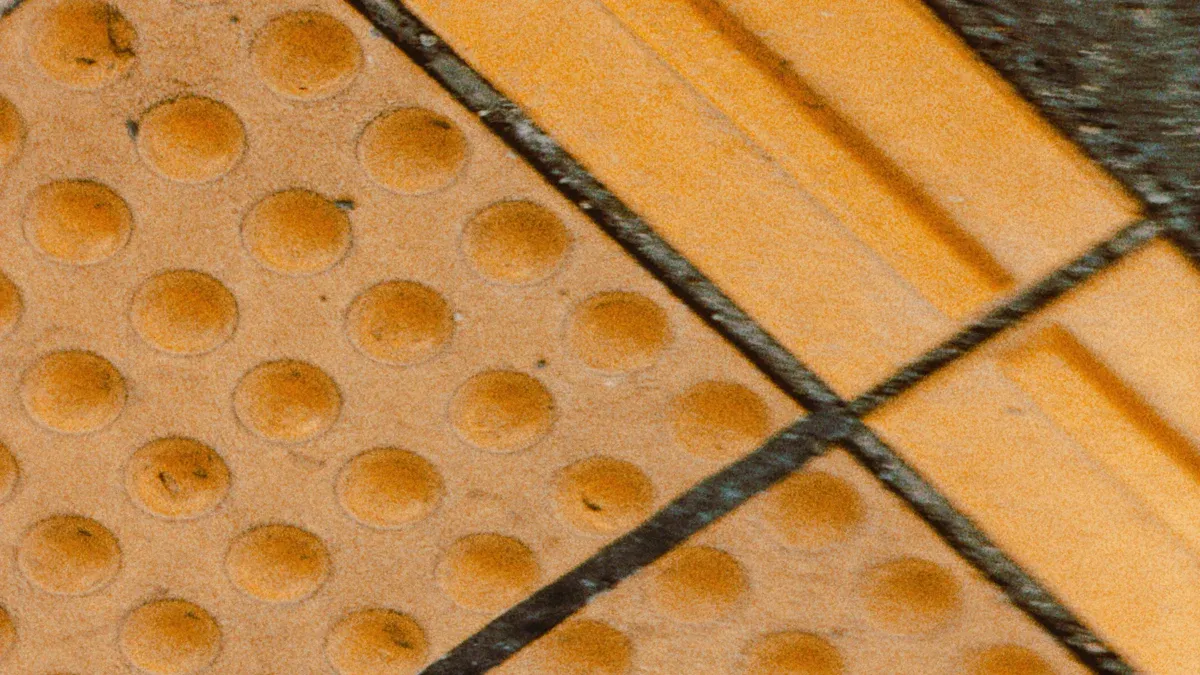
It is important to keep your data center safe from static electricity. Static can happen when people walk or move things. Even a tiny shock can harm servers or cause you to lose data. ESD flooring helps lower these risks. It moves static charges away from your electronics. This keeps your equipment safe and your data center working well.
Note: ESD means Electrostatic Discharge. It is a quick flow of electricity between two things. You do not want this in your data center.
How Static-Control Flooring Works
Static-control flooring in data centers uses special materials to manage electricity. These floors let static charges go safely to the ground. You do not need special shoes to stay safe. The system uses copper strips and conductive glue to connect the floor to the ground. This setup works well with lots of people walking and different weather.
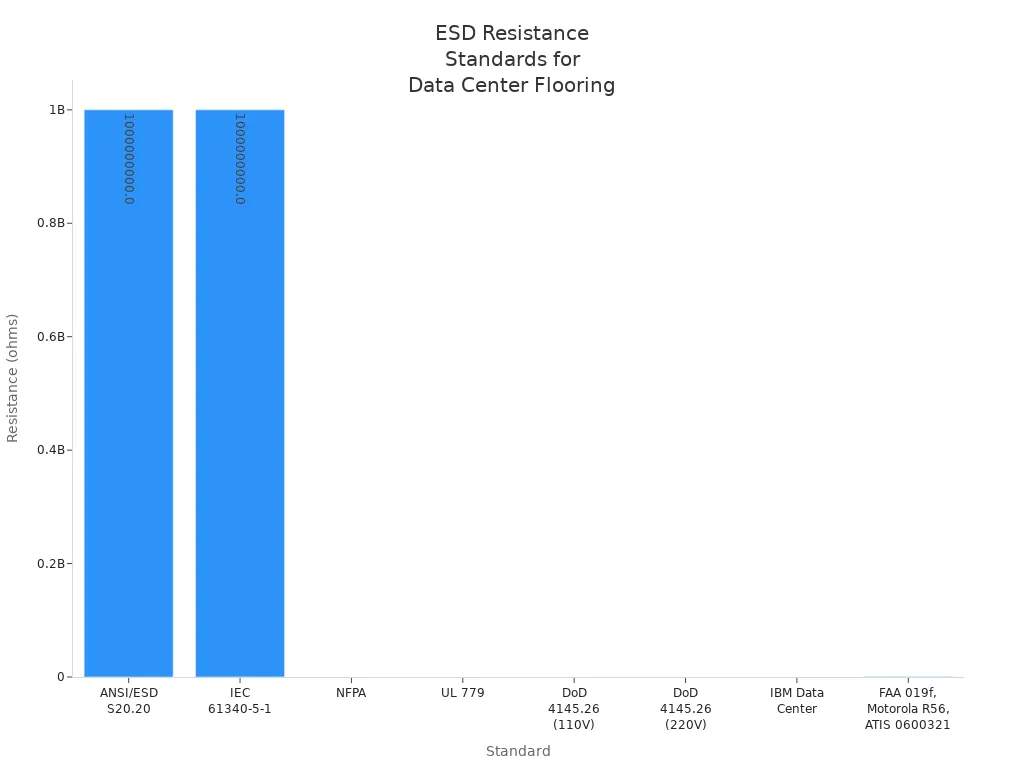
Industry standards help you check if your floor is safe. Here is a table showing common standards and their resistance rules:
Standard | Resistance Requirement |
|---|---|
ANSI/ESD S20.20 | < 1.0 x 10^9 ohms |
IEC 61340-5-1 | < 1.0 x 10^9 ohms |
NFPA | Minimum 25,000 ohms |
UL 779 | Minimum 25,000 ohms |
DoD 4145.26 | 40,000 ohms (110V), 75,000 ohms (220V) |
IBM Data Center | No less than 150 kilohms (1 m apart) |
FAA 019f, Motorola R56, ATIS 0600321 | > 1.0 x 10^6 ohms |
Common ESD Materials
There are different types of static-control flooring for data centers:
ESD epoxy
ESD rubber tiles
ESD floor wax
ESD vinyl tile
ESD carpet
ESD epoxy flooring is a popular choice. It uses special resins and conductive parts to move static charges safely. ESD vinyl and rubber tiles are also good options. These materials last a long time and are easy to clean. You can pick finishes like high-pressure laminate (HPL), conductive vinyl, and ceramic. Each finish has its own benefits. For example, ESD epoxy gives a smooth surface and strong chemical resistance. Conductive vinyl costs less and is easy to put in. Ceramic finishes are extra tough.
Tip: Choose a finish that fits your data center’s needs. Think about how much weight it must hold, how easy it is to clean, and how much static control you need.
Choosing the Right Flooring for Your Data Center
Selecting the right floor for your data center is a big decision. You need to think about how much weight your floor must hold, how safe it is, and how easy it will be to care for in the future. Use this guide to help you match your needs to the best flooring option.
Load Capacity and Durability
You must check how much weight your floor can support. Heavy server racks and equipment need strong floors. Raised access floors often support loads from 1,000 to over 3,000 pounds. This keeps your equipment safe and prevents the floor from bending.
Here is a table to help you compare important factors:
Factor | Description |
|---|---|
Replacement Timing | Check if your current floor can handle new equipment. |
Floor System Materials | Choose steel, vinyl, or concrete for strength and long life. |
Temperature and Airflow | Make sure the floor allows good airflow to keep equipment cool. |
Downtime | Plan upgrades to avoid stopping your data center. |
Maintenance | Regular checks help your floor last longer. |
Scalability | Pick a floor that can grow with your needs. |
Raised access floors also go through tests like uniform load, concentrated load, and rolling load to make sure they stay strong.
Environmental and Safety Factors
Safety is key in a data center. Floors must resist fire and help keep the air clean. High-pressure laminate (HPL) raised floors can handle high heat and meet strict fire rules. This lowers the risk of fire spreading. Good airflow and fire safety protect both your equipment and your team.
The support system matters, too. Pedestals and stringers hold up the panels and spread the weight. They also help control static electricity, which keeps your electronics safe.
Tip: Always use professional installers. They make sure the floor is level, stable, and safe.
Budget and Maintenance
Think about your budget and how much care the floor will need. Some floors cost more but last longer and need less work. Here is a quick look at costs and care:
Flooring Type | Cost per Square Foot | Maintenance Needs |
|---|---|---|
Woodcore | $20.00 | Minimal care, but lower weight support |
Hollow Steel | $40.00 - $50.00 | Needs regular checks for fire safety |
Concrete Filled | $80.00 | High support, easy to install, check for cracks |
You should also plan for the future. Modular floors let you move panels and change layouts as your data center grows. This makes upgrades easier and saves money over time.
Note: Choose a floor that fits your needs today and can adapt to changes tomorrow.
You can pick from different floors for your data center. Each floor has its own good points:
Air moves well and cables stay neat.
Designs can change to fit your needs.
Strong tiles hold heavy machines.
Floors help save energy and keep equipment working.
To get the best floor, think about how much weight it must hold. Also, check what the room needs. Choose a trusted company like ZiLi Floor. Clean your floors often and check them regularly. Stopping static and taking care of floors keeps your data center safe and working well.
FAQ
What is a data center access floor?
You use a data center access floor to create a raised platform above the building’s base. This system lets you manage cables, improve airflow, and support heavy equipment in your data center.
Why do you need special flooring in a data center?
Special flooring keeps your equipment safe. It helps control static electricity, supports heavy racks, and makes cable management easy. You also get better cooling and safer workspaces.
How do you choose the right flooring used in a data center?
You look at load capacity, airflow needs, and static control. You also check your budget and future plans. Raised access floors give you flexibility and strong support for your equipment.
How often should you inspect your data center access floor?
You should check your floor every few months. Look for loose panels, damage, or dust. Regular checks help you find problems early and keep your data center safe.
Can you upgrade your data center access floor later?
Yes, you can upgrade or change panels as your needs grow. Modular systems let you add more cables, change airflow, or support new equipment without major work.