






Anti-Static Raised Floor vs. Regular Floor: Why Server Rooms Need Conductive Systems?
 Mar 23, 2026|
 View:104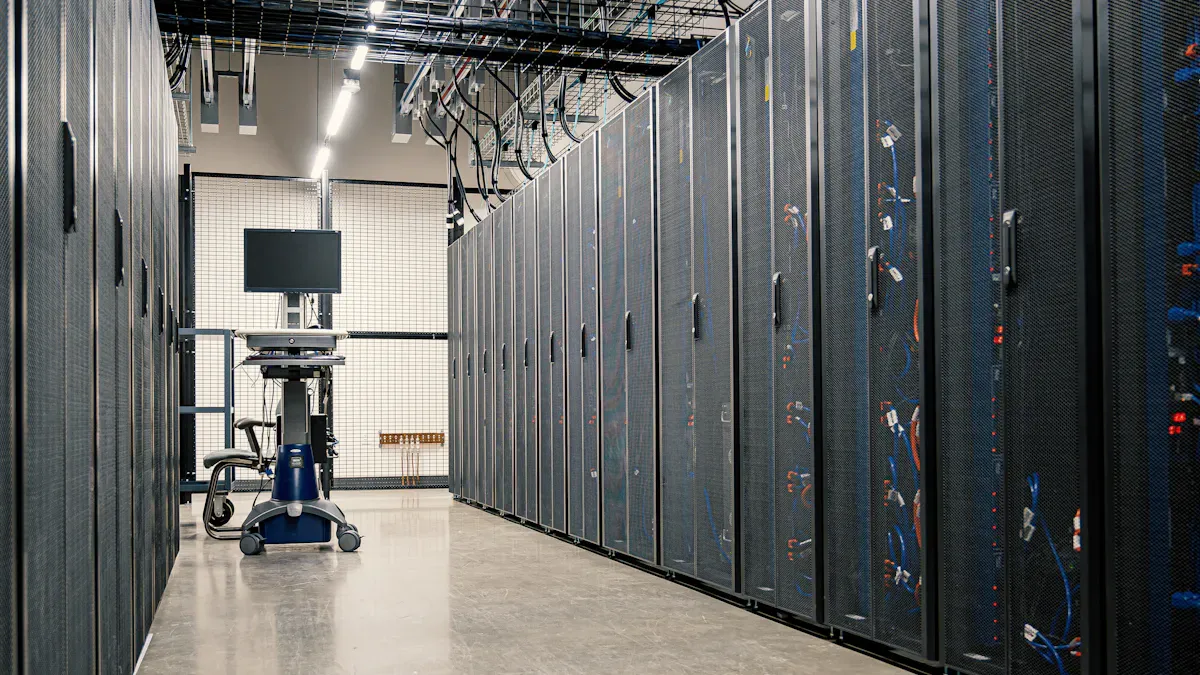
You need more than just regular floors to keep your server room safe. When comparing anti static raised floor vs regular floor, it’s clear that static electricity can build up quickly and damage expensive equipment. Choosing between anti static raised floor vs regular floor is crucial for any data center. Conductive flooring systems, like ZILI’s, move static away safely, making the room safer and more efficient. With over 30 years of experience, ZILI delivers high-quality anti-static flooring solutions.
| Benefit | Impact on Equipment Downtime |
|---|---|
| Prevents electrostatic discharge | Lowers the chance of damage to sensitive equipment |
| Improves cable management | Makes the room work better and more reliably |
| Enhances cooling | Keeps equipment working at the best temperature |
Key Takeaways
Anti-static raised floors keep equipment safe from static electricity. This lowers the chance of damage and data loss.
These floors help air move better and cool servers faster. Servers stay at good temperatures and use less energy.
Raised floors make cable management simple and neat. Server rooms stay organized and people are less likely to trip.
Picking the right anti-static flooring saves money over time. It cuts down on downtime and lowers maintenance needs.
ZILI’s anti-static flooring meets industry standards. This makes your server room safe and reliable.
Anti static raised floor vs regular floor: Key Differences
What Makes Anti-Static Flooring Unique
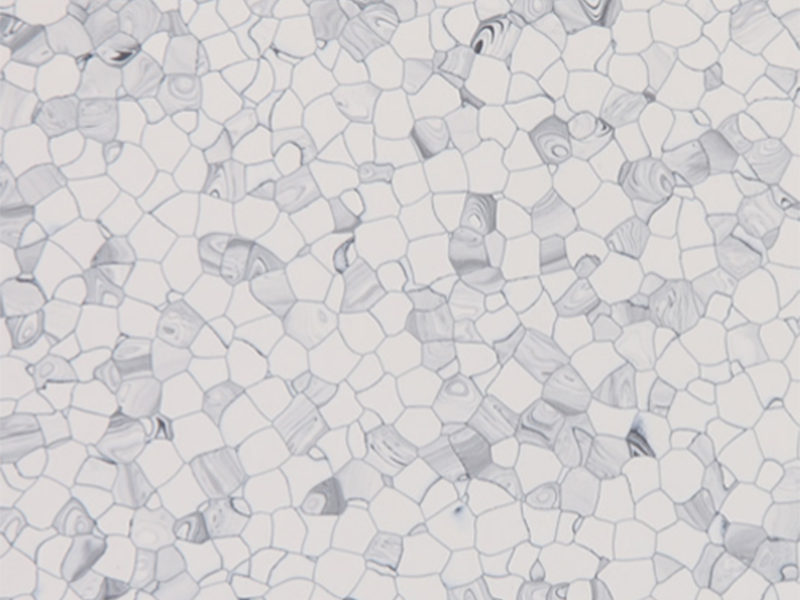
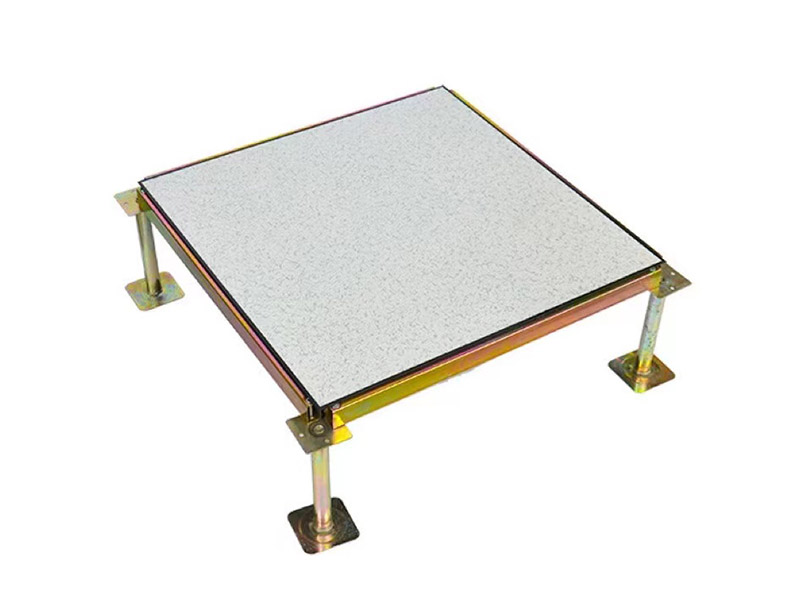
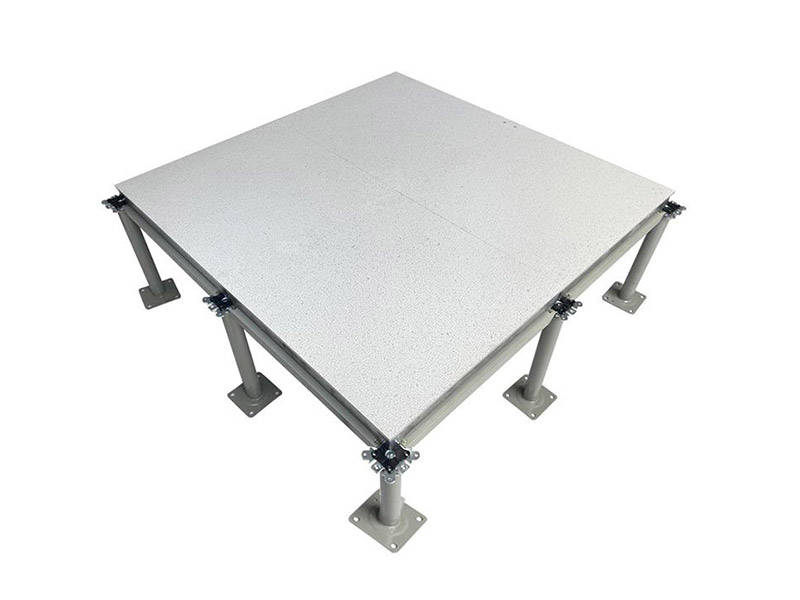
When you look at anti static raised floor vs regular floor, you notice big differences. Anti-static raised floors use special materials to control static electricity. These floors have powders and fibers that help move static away from equipment. Some floors are made from calcium sulfate, steel, high-pressure laminate, or PVC. Each type is made to be safe and work well.
Here’s a table that shows the main material differences:
| Type of Floor | Material Characteristics |
|---|---|
| Anti-static tile | Contains anti-static functional powder, stable resistance value between 1.0 x 10^6 and 1.0 x 10^9Ω. |
| High Pressure Laminate | Uses high-strength, fire-proof, and water-proof materials, excellent waterproof and moisture-proof performance. |
| Steel anti-static floor | High strength, good waterproof, fireproof, and moisture-proof performance, various types available. |
| Composite anti-static raised floor | Made of wood chipboard, lightweight but lower fire-proof and moisture-proof performance. |
| Aluminum alloy anti-static floor | High strength, fireproof, waterproof, and recyclable material. |
| PVC anti-static raised floor | Made of PVC resin, forms electrostatic network, good decorative effect. |
| Calcium sulfate anti-static floor | Non-toxic, environmentally friendly, high strength, widely used in developed regions. |
Anti-static raised floors work with grounding systems. These systems use copper strips and glue to connect the floor to the ground. This setup lets static electricity move away from your equipment. Your electronics can work safely in this kind of room.
Risks of Regular Flooring in Server Rooms
Regular floors do not stop static electricity. Walking on a regular floor can make a lot of static. In a server room, this can hurt hardware or cause data loss. Regular floors have high resistance, so static builds up instead of going away.
Here are some risks with regular flooring in server rooms:
Static can build up and cause data loss or broken hardware.
Walking can make static, especially if the air is dry and cool.
Regular floors let static get too high for sensitive electronics.
Dust and dirt can gather under racks and cause problems.
Changing regular floors in busy server rooms can cause downtime.
Tip: Picking the right floor early can save money and time later.
A table shows why anti-static raised floors are better:
| Feature | Anti-Static Raised Floors | Standard Raised Floors |
|---|---|---|
| ESD Resistance Range | 10^6 - 10^9 ohms (compliant with ANSI/ESD S20.20, IEC 61340) | >10^9 ohms (insulating, no ESD compliance) |
| Static Dissipation | Yes | No |
| Suitability for Server Rooms | Excellent | Poor |
Static Dissipative Principles
It is important to know how anti-static raised floors keep equipment safe. These floors use conductive materials to move static to the ground. The system works like a lightning rod for your servers.
Some key ideas are:
Anti-static flooring stops static from building up by giving it a safe path.
Conductive materials like carbon fibers help static move off the surface.
The floor connects to a grounding system to keep everything at the same voltage.
Good grounding keeps resistance below 1 gigaohm for safety.
Static dissipative flooring keeps resistance between 1×10⁶ and 1×10⁹ ohms. This stops static from building up and sends it safely to the ground. You lower the chance of sudden static shocks that can break electronics.
When you compare anti static raised floor vs regular floor, only anti-static systems give this much protection. This helps your server room stay safe and work well.
ESD Protection and Equipment Safety
How Anti-Static Floors Prevent ESD
Static electricity is a real problem in server rooms. Even a tiny static shock can break electronics or erase data. Anti-static raised floors act like a shield. They stop these dangers before they reach your equipment.
Anti-static floors keep resistance between 10^6 and 10^9 ohms. This lets static charges leave slowly and safely. It protects people and expensive IT equipment.
When you walk, your shoes rub the floor and make static. On a regular floor, this static builds up. It can jump into your servers and cause damage. Anti-static raised floors use special materials and grounding systems. The top layer lets static move across it without building up. Conductive parts inside the floor give static a safe path to the ground.
Here’s how the system works:
Walking on the floor makes static charges.
The anti-static floor lets these charges leave safely.
The grounding system connects the floor to the earth. This keeps your equipment safe.
You can see the main parts in the table below:
| Mechanism | Description |
|---|---|
| Conductive Path | The steel base gives static a safe way to the ground. |
| Surface Layer | The top layer lets static move across without building up. |
| Grounding System | Charges go through special supports into the building’s ground. This keeps equipment safe. |
Anti-static flooring lets static charges leave safely. Conductive parts inside the floor make a path to the ground. This design keeps resistance steady, so charges leave slowly and safely.
Impact on Server Reliability
You want your servers to work all the time. Static electricity can cause sudden problems, lost data, or broken hardware. When you compare anti static raised floor vs regular floor, only anti-static floors give the protection you need.
Anti-static raised floors help you:
Stop hardware damage from static shocks.
Lower the chance of cable problems by keeping things neat.
Make air flow better, so equipment does not get too hot.
Meet ESD rules that protect against static damage.
| Benefit | Impact on MTBF |
|---|---|
| Static dissipation | Stops hardware damage from static shocks |
| Organized infrastructure | Lowers cable problems |
| Enhanced cooling efficiency | Makes air flow better, stops overheating |
| ESD compliance | Meets rules that protect against static damage |
ESD protection steps, like conductive flooring, lower ESD risks in server rooms. Humidity control and the right shoes also help, but the floor is most important.
| ESD Protection Measure | Effect on ESD Failure Rates |
|---|---|
| Humidity Control | Helps a lot, especially when air is dry |
| Conductive Flooring | Lowers ESD risks in server rooms |
| Appropriate Footwear | Helps stop ESD problems during work |
Using anti-static raised floors makes your servers more reliable. You have less downtime and protect your IT equipment.
Compliance with Industry Standards
You must follow strict rules to keep your data center safe. Anti-static raised floors must pass tests for resistance, fire safety, and ESD protection. ZILI’s anti-static calcium sulfate raised floors meet or beat these world standards.
Here are some important rules for server room floors:
| Standard | Description |
|---|---|
| ANSI/ESD S7.1 | Checks resistance of ESD floors. Good resistance is 10^5 to 10^9 ohms. |
| IEC 61340-5-1 | World rule for protecting electronics from static. |
| FED-STD-101B | Used by government and military for surface tests. |
| ASTM E648 | About fire safety. |
| TIA-942, EIA-607 | Rules for telecom rooms. |
| ISO 17025, ASTM F150 | Rules for research labs. |
ZILI’s anti-static raised floors are made in an ISO-certified factory. The company follows IATF 16949 rules for quality. They test every panel to make sure it is safe. You can trust your floor will give good ESD protection for a long time.
Picking the right anti-static raised floor means you follow the rules and keep your data center safe from big problems.
When you compare anti static raised floor vs regular floor, only anti-static floors let you meet these rules. You keep your equipment safe, your work smooth, and your building ready for the future.
Operational Benefits of Raised Flooring
Airflow and Cooling Efficiency
It is important to keep your server room cool. Raised flooring helps you control the air in the room. The space under the floor holds cool air and sends it where you need it. You can use special tiles with holes to blow cold air at your server racks. This stops hot spots and keeps the room at the same temperature.
When you use anti static raised floor vs regular floor, cooling works better and costs less. Raised floors let you use air under the floor, which cools better than old ways. Big data centers have saved up to 64% on energy by using this system. If you plan your floor well, you can save another 5-15% on cooling. Your HVAC system does not have to work as hard, so your equipment lasts longer.
Tip: Good airflow keeps servers safe and saves money.
Cable Management Advantages
You want your server room to look neat and work well. Raised floors help you hide cables and keep them organized. The space under the floor gives you a place for power and data cables. This keeps the room tidy and stops people from tripping.
Here is how anti static raised floor vs regular floor helps with cables:
| Benefit | Description |
|---|---|
| Organized Cables | Cables stay hidden and neat, making the room safer and easier to clean. |
| Easy Access | You can lift floor panels to reach cables quickly for repairs or upgrades. |
| Modular Design | The grid layout lets you add or move cables as your needs change. |
| Cost Efficiency | Underfloor cable management costs less and works better with cooling. |
| Safety | Cables stay protected, lowering the risk of static discharge and accidents. |
You can change your setup easily as your server room grows.
Maintenance and Longevity
You want your server room to last a long time. Raised flooring makes it easy to take care of things. You can lift floor tiles to get to cables and equipment. This keeps the room neat and stops accidents from messy wires.
Raised floors also help you keep the room clean. Dust and dirt stay away from your important equipment. Even temperatures stop things from getting too hot, so your servers last longer. A clean room means fewer problems and less downtime.
You can change the layout fast when you add new servers.
Less maintenance saves you time and money.
Your IT equipment stays safe for years.
With anti static raised floor vs regular floor, you get a system that is easy to upgrade, safe to fix, and helps your technology last longer.
Choosing the Right Anti-Static Raised Floor
Key Selection Factors
When you pick a floor for your server room, think about safety and how long it will last. You also need to think about what you might need later. The right floor keeps your equipment safe and helps your work go smoothly. Here are some things to look at:
ESD Protection: The floor should control static electricity and follow the rules.
Load-Bearing Capacity: Your floor must hold heavy server racks and cooling machines without bending.
Fire Resistance: Pick materials that slow down fire and meet safety rules.
Cable Management: Raised floors help you keep cables neat and make upgrades simple.
Durability: Good materials last a long time and can handle lots of people walking.
Maintenance: Floors that are easy to clean save you time and keep the room safe.
Scalability: Modular floors let you add or move things as your needs change.
Tip: Think ahead so your floor can change as your technology grows.
ZILI’s Anti-Static Calcium Sulfate Solution
ZILI has a top anti-static calcium sulfate raised floor for tough places. This floor uses safe calcium sulfate panels with special anti-static layers. You get strong fire safety, can hold a lot of weight, and steady ESD protection. The snap-together design makes it fast to put in and easy to change. ZILI’s panels have ISO 9001 and CE certificates, so they meet world rules. The panels are light but still strong, which is great for data centers and cleanrooms.
| Specification Aspect | Details |
|---|---|
| Material | Calcium sulfate with anti-static surface |
| Fire Resistance | Class A fireproof, low smoke toxicity |
| Load Capacity | Up to 3.56KN (heavy-duty series) |
| Certifications | ISO 9001, CE |
| Installation | Modular snap, tool-free, fast setup |
| Environmental Compliance | REACH, water-based epoxy coatings |
Installation and Support
Good installation helps your floor work well. ZILI gives you expert help from start to finish. You get help with how much weight the floor needs to hold, where to put cables, and how to plan for air flow. The modular design means you can put in or change the floor fast, so you do not lose much time. ZILI’s support team answers your questions and helps you take care of your floor for a long time. You can count on ZILI to give you a floor that keeps your server room safe, works well, and is ready for new changes.
Need a Professional Anti-Static Floor Solution?
Get a free quote & customized design for your server room or data center
Contact Us for InquiryYou need anti-static raised floors in your server room to keep equipment safe and help everything run well. These floors lower ESD risks, help cool the room, and make it easy to organize cables.
You save money because there is less downtime and you use less energy.
Raised floors can last as long as 20 years if you take care of them.
People who make decisions see quick results with better work and less fixing.
Pick ZILI for expert help and strong anti-static flooring that meets world rules.
FAQ
What is the main difference between an anti-static raised floor and a regular floor?
Anti-static raised floors protect against ESD. Regular floors do not stop static electricity. Anti-static floors use special materials. These materials move static away from your equipment.
Why do server rooms need conductive flooring systems?
Conductive flooring stops static from building up. Static can hurt servers and cause data loss. Conductive floors keep your electronics safe. They also protect your server room.
How does anti-static flooring improve equipment reliability?
Anti-static flooring lowers the chance of hardware failure. The floor removes static charges safely. This helps your servers last longer. It also means less downtime.
Can I upgrade my existing server room with anti-static raised floors?
Most server rooms can be upgraded. Modular anti-static raised floors fit many spaces. ZILI gives expert help for planning and installing. You can get the right system for your needs.
How do I maintain anti-static raised floors?
Clean the surface with approved cleaners. Do not use wax or polish. Check grounding connections often. Regular care keeps your floor working well. It also protects your equipment.


Recent News
1.Why Steel Access Floor Systems are the Top Choice for Modern Data Centers?
2026-02-282.Anti Static Floor Selection Guide: HPL vs. PVC vs. Ceramic Finishes
2026-03-093.A Guide to Data Center Raised Floor Load Capacity and Airflow
2026-03-184.How Calcium Sulphate Floor Enhances Acoustic Performance in Grade A Offices
2026-03-135.Which Anti Static Floor Is Best for Your Facility
2025-10-11