





 Oct 24, 2025
 View:106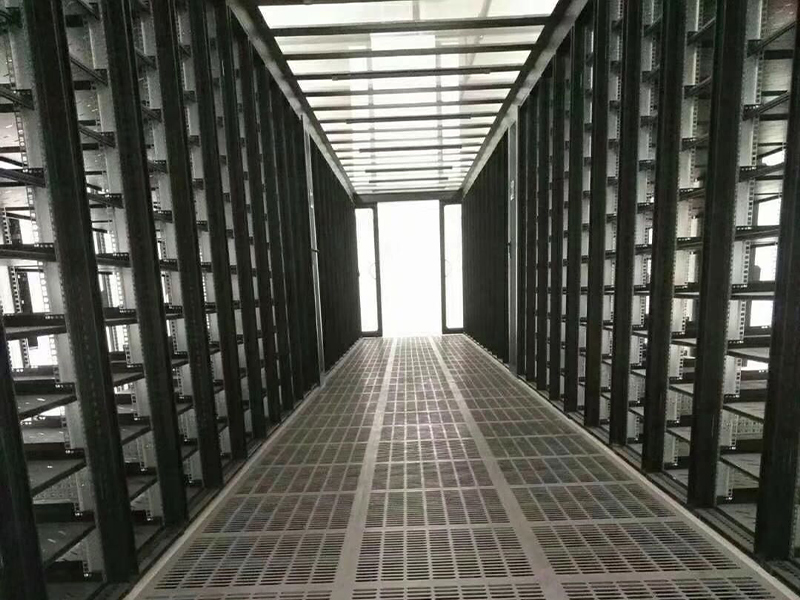
A low profile raised access floor makes cable management easy. You can keep wires neat, out of sight, and safe. This system lets you reach cables fast for changes or fixes. Facility managers and IT workers see better organization and more safety. It also helps workspaces change as needed. You can make a tidy space that fits your needs0
Key Takeaways
Low profile raised access floors help keep cables neat and out of sight. This makes the workspace safer and look better. Installing these floors is fast and simple. You can change office layouts easily without big building work. It is easy to get to cables for repairs. You just lift a panel to reach the wires. This does not make a mess. These floors can hold heavy equipment and let air move better. This makes them good for many places. Picking the right materials and systems can save money and energy over time. This helps everything work better.
What Is a Low Profile Raised Access Floor
Design and Structure
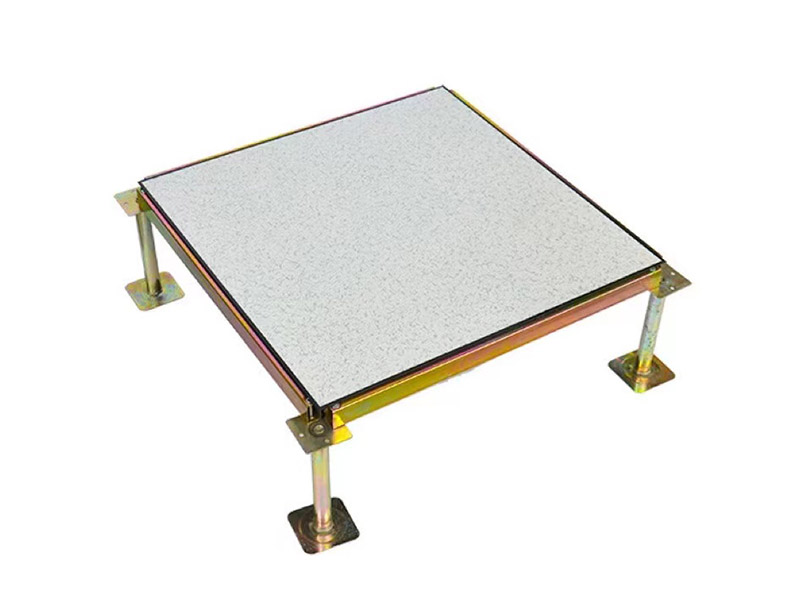
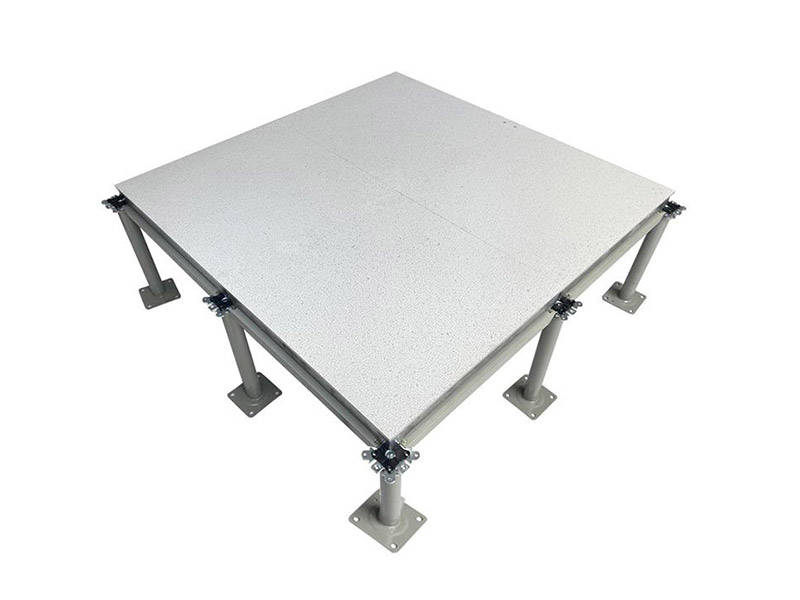
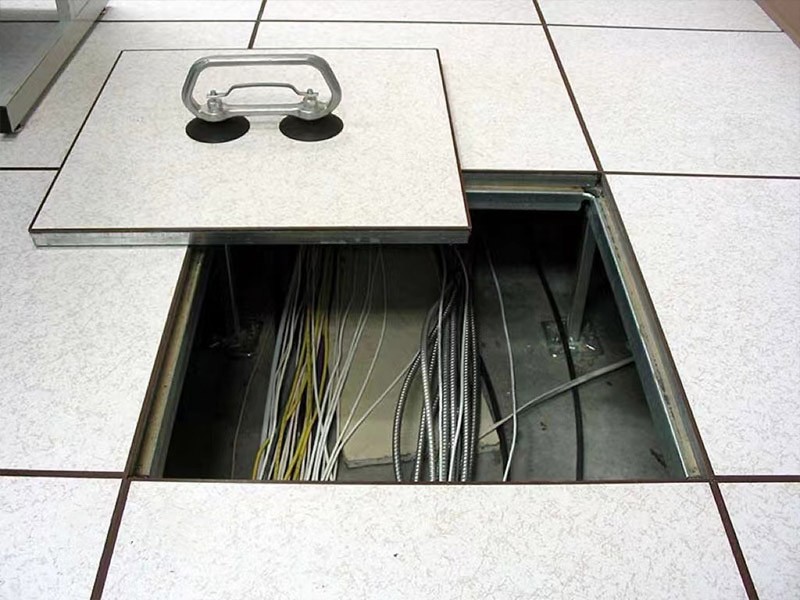
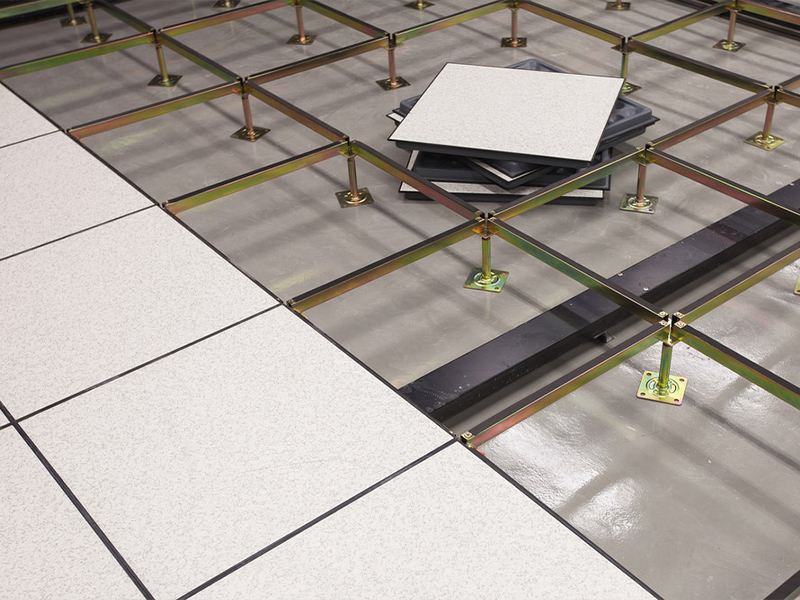
A low profile raised access floor has panels that sit above the real floor. These panels are like strong tiles. They lock together to make a solid surface. Under the panels, there is space for cables and wires. You can also hide small pipes there. This design helps you keep your workspace neat. It is easy to add or change cables when you need to.
Most low profile floors use light materials. They still hold heavy things. You can walk on them or roll carts. You can put equipment on them without worry.
The panels fit together well. You get a flat surface that is safe.
You can lift one panel to reach cables below. This makes fixing things easy and quick.
Built-in raceways guide cables in straight lines. This stops wires from getting tangled or messy.
This kind of floor works in offices, classrooms, and data centers. You get a clean look. Cables stay hidden and safe, so the space is safer.
Typical Height and Installation
Low profile raised access floors are usually 1.5 to 6 inches tall. This short height is good for rooms with low ceilings. If you work in an old building or a small room, you can still use this system. You do not lose headroom.
Tip: Low profile floors help you use ceiling space better. Your room feels bigger and more comfortable.
Installing these floors is fast. You do not need big construction. You put panels over a clean, flat floor. The panels are modular. You can add or take away panels when you want. This saves time and money.
Here are some things to think about before you install:
| Factor | Description |
|---|---|
| Load Ratings | Make sure panels hold your equipment safely. |
| Panel Materials | Choose materials that fit your workspace. |
| Cable Management Systems | Use built-in raceways for easy cable routing. |
| Maintenance Considerations | Plan for easy access to cables and panels. |
| Effective Airflow | Pick perforated panels if you need more airflow. |
| Proper Site Preparation | Start with a clean, flat floor for best results. |
A low profile raised access floor is a smart way to manage cables. It works well even in small spaces.
Cable Management Benefits of Low Profile Access Flooring Systems
Organization and Routing
A neat workspace helps you work better. Low profile access flooring systems keep cables hidden and tidy. There is a small space under the floor for wires and cords. Built-in raceways help you run cables in straight lines. This keeps cables from getting tangled or messy.
Offices and computer rooms use these floors to stay organized.
You can use them in stores to save money and energy.
The design lets you move cables around when you need to.
| Feature | Description |
|---|---|
| Cable Management | Gives a small space for easy cable control. |
| Airflow Improvement | Helps air move better in new buildings. |
| Reconfiguration Flexibility | Makes it simple to change cables for new tech. |
Low profile raised floors make cable management easy and flexible. You do not have to cut concrete or change your building a lot. Your workspace stays neat and ready for new devices.
Accessibility and Maintenance
You need to reach cables fast to fix or upgrade them. Low profile access floors make this simple. You just lift a panel to see the cables. You do not need to break walls or floors. This saves time and keeps repairs quick.
IT workers say it is easy to get to wires in these floors. Most cables go in before the top floor is finished. If you want to add or move a cable, just take off the floor finish. This is much easier than digging into concrete.
You can upgrade your cable system with little work.
Raceways and panels help you move and organize cables.
You can clean under the panels with less dust.
| Aspect | Low Profile Raised Access Floors | Traditional Raised Floors |
|---|---|---|
| Maintenance Frequency | Easier and more often because you can reach cables | Not as often because it is harder |
| Cable Management | Special paths make cables easy to reach | Sealed space makes it hard to get to cables |
| Cleaning Challenges | Less dust, easy to clean | More dust, need to move equipment |
Low profile raised floors help you keep your cable system up to date. You can make changes fast and keep your workspace working well.
Safety and Clean Aesthetics
Loose cables can make people trip. Low profile access floors hide wires under the floor. This makes your space safer for everyone. Good cable management also lowers the chance of electric shock.
You have less mess from loose wires.
Hiding cables makes your space safer.
You meet better safety rules at work.
Check your raised access floor often to find and fix problems like loose panels or gaps. This keeps people and equipment safe.
A low profile raised floor also makes your workspace look nice. You get rid of messy wires and have a modern look. You can design your office how you want because you do not need wires above you. The space for cables lets you set up your area your way.
Hiding cables gives your office a simple look.
You can change your office layout when you want.
Organizing wires helps save energy in your workspace.
Low profile access floors give you a safer, cleaner, and more flexible place to work. You can focus on your job without worrying about messy cables or safety problems.
Low Profile Raised Flooring vs. Traditional Solutions
Raised Access Floor vs. Trenching
If you look at low profile raised floors and trenching, you will see they are very different for cable management. Trenching means you cut into concrete to hide wires. This takes a long time and makes a big mess. Traditional raised floors have more space under panels, but they cost more and need taller ceilings.
Low profile raised floors work well in offices with low ceilings. You get a tidy spot for cables without big construction. You can move or add cables without breaking the floor. Many offices use this system because it keeps wires neat and easy to reach.
Most people choose low profile raised floors for better cable management, quick access, and a safer, cleaner look.
Installation and Flexibility
You want a system that goes in fast and can change when needed. Traditional raised floors take longer to build and need more planning. Low profile raised floors install quickly. You put panels on a clean subfloor and use the space soon after.
Here is a table to help you compare:
| Feature/Benefit | Low Profile Raised Access Floors | Conventional Cable Management Systems |
|---|---|---|
| First Cost Effective | Reduces cost for wire and cable systems | Higher initial costs due to inflexibility |
| Flexibility and Reconfiguration Capability | Complete flexibility and reconfiguration capability | Limited flexibility |
| Adaptability to Organizational Changes | Quickly adapts to organizational changes | Slower adaptation |
| Speed of Construction and Occupancy | Speeds up construction and occupancy | Longer construction times |
| Response to Technology Changes | Easily responds to technology changes | Difficult to adapt |
| Operating Cost Savings | Reduces cost of workstation maintenance | Higher ongoing costs |
Low profile raised floors let you change your office layout easily. You can add desks, move outlets, or upgrade tech without big changes. This helps you keep up with new office trends.
Long-Term Value
You want your office to last and save money. Traditional raised floors may be strong, but they cost more to keep up. Low profile raised floors save money over time. They last 20 to 30 years if you take care of them. You can clean and fix them easily. You also save energy because these floors help air move better.
Low profile raised floors use recycled materials and make less waste. They help you lower your carbon footprint. You can move panels when you change your office. This means less waste during renovations.
You get a system that supports future upgrades.
You can add new technology without major work.
You enjoy a workspace that stays modern and efficient.
A low profile raised floor gives you a smart, flexible, and cost-saving way to manage cables in any modern office.
You get lots of good things from a low profile access floor. It helps you keep cables neat and safe. Your workspace can change easily when you need it to. Many big companies use these floors in their offices. For example, a large entertainment group finished projects faster with this system. You should follow tips to keep your low profile raised floor working well.
Pick a supplier that offers fire safety, good sound control, and simple setup.
Find one with expert help, strong materials, and designs that last.
Contact Zili if you want advice or help with your project. Zili will help you find the best choice for your building.
FAQ
What is the main benefit of a low profile raised access floor?
You get easy cable management. The system keeps wires hidden and organized. You can reach cables quickly for repairs or upgrades. This helps you keep your workspace safe and neat.
Can you install a low profile raised access floor in an old building?
Yes, you can. The low height fits rooms with low ceilings. You do not need to change the structure. You can upgrade your space without big construction.
How do you access cables for maintenance?
You lift a floor panel to reach the cables. You do not need special tools. This makes repairs and upgrades fast. You save time and avoid making a mess.
Are low profile access floors safe for heavy equipment?
Yes, these floors support heavy loads. You can place desks, carts, or equipment on them. Always check the load rating before you install.
Where can I find more faqs about low profile access flooring systems?
You can ask your supplier or visit their website. Many suppliers offer guides and support. You can also contact Zili for expert advice.